

Boat ownership comes with a seasonal responsibility that many first-time owners overlook: proper winterization. As temperatures drop and boating season winds down, the steps you take before storage can mean the difference between a smooth spring launch and costly repairs. Whether you’re storing your boat at home or in a rented storage unit, following the right process protects your investment and saves you headaches down the road.
Why Winterization Matters
Water left in a boat’s engine, plumbing, or bilge can freeze and expand, cracking hoses, blocks, and fittings. Fuel left sitting for months can degrade and gum up your fuel system. Neglected upholstery and hardware can develop mold, corrosion, or cracking from prolonged exposure to moisture and temperature swings. Winterization isn’t just a maintenance chore — it’s preventive care that keeps your boat running smoothly for years.
Start With the Engine
The engine is the heart of your boat, and it deserves the most attention before storage. For inboard and outboard motors alike, begin by changing the oil and oil filter. Old oil contains contaminants that can corrode internal components if left sitting all winter.
Next, flush the engine with fresh water to remove salt, sand, or debris, especially if you boat in saltwater. Once flushed, run antifreeze specifically designed for marine engines through the cooling system to prevent any remaining water from freezing and cracking components. Don’t use automotive antifreeze — marine-grade antifreeze is non-toxic and formulated for this exact purpose.
Finally, stabilize the fuel. Fill the tank to about 90 percent capacity to reduce condensation, then add a fuel stabilizer to prevent the gas from breaking down. Run the engine briefly afterward so the treated fuel circulates through the entire system.
Protect the Plumbing and Fresh Water Systems
If your boat has a freshwater system, sink, toilet, or shower, these need attention too. Drain all water tanks, lines, and the water heater completely. Any residual water left behind can freeze, expand, and burst pipes or fittings. Once drained, run non-toxic plumbing antifreeze through the system to coat the interior of the lines and provide an extra layer of protection.
Don’t forget the bilge. Make sure it’s clean and dry, and consider removing the drain plug if the boat will be stored outdoors, allowing any accumulated moisture to escape rather than pool and freeze.
Clean and Condition the Interior
A thorough cleaning before storage prevents mold, mildew, and pest problems. Vacuum carpets and upholstery, wipe down all surfaces, and remove any food, trash, or organic material that could attract rodents or insects. Clean cushions and canvas thoroughly, then allow everything to dry fully before covering the boat to avoid trapping moisture.
Applying a vinyl protectant to seats and a UV-resistant treatment to canvas tops helps prevent cracking and fading during long months in storage. Leaving cushions slightly propped up, rather than flat against surfaces, encourages airflow and reduces the chance of mildew forming underneath.
Choose the Right Storage Environment
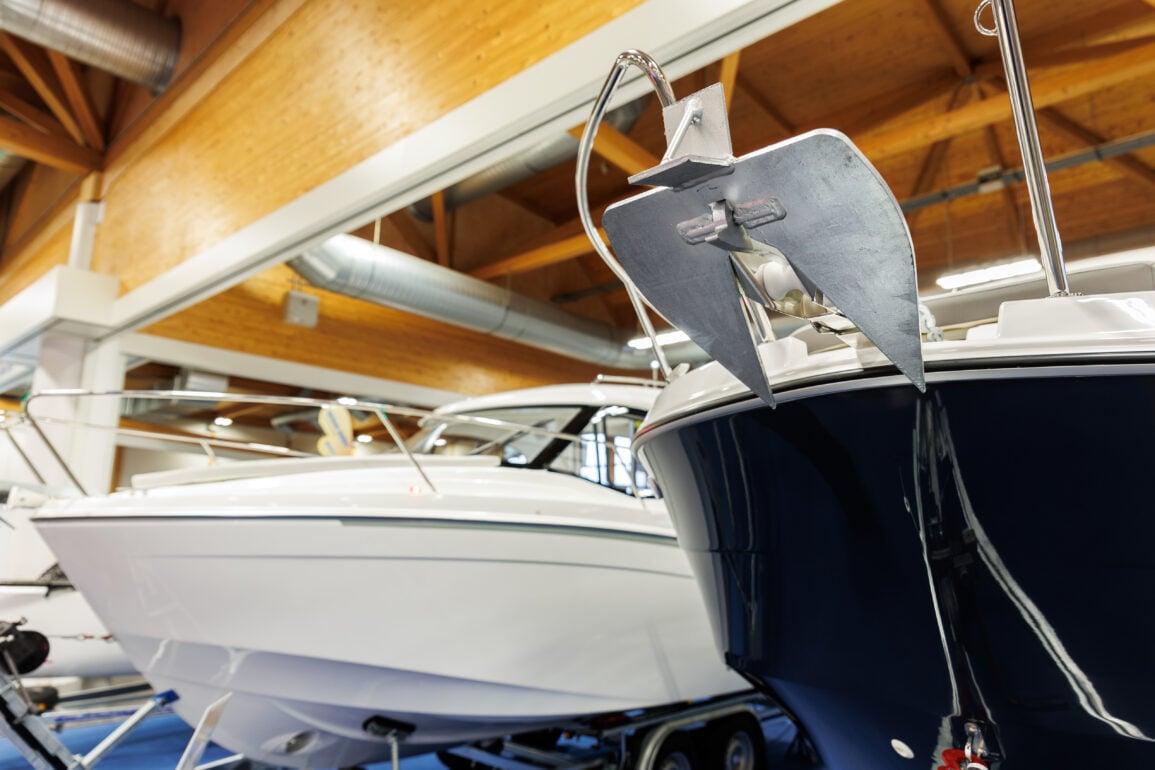
Where you store your boat matters just as much as how you prepare it. Outdoor storage exposes your boat to the elements, requiring a heavy-duty, breathable cover and possibly a support system to prevent water pooling on top. Indoor storage offers more protection but often comes at a higher cost.
For many boat owners without a garage or driveway large enough, a rented storage unit is a practical middle ground. Look for a facility with drive-up access to make loading and unloading straightforward, and consider a covered or enclosed unit to shield your boat from sun, rain, and snow. Climate-controlled units go a step further, maintaining stable temperature and humidity levels that help protect sensitive components like electronics, upholstery, and wiring from extreme fluctuations. If your boat will sit for several months, this added consistency can be well worth the investment.
Final Walkthrough Before Storage
Once winterization steps are complete, do a final walkthrough. Disconnect and remove the battery, storing it in a cool, dry place and charging it periodically throughout the off-season to preserve its lifespan. Check that all drain plugs, vents, and covers are properly secured. Take photos of the boat’s condition for your records, and create a simple checklist of what you completed so next year’s process goes even faster.
Setting Yourself Up for an Easy Spring Launch
Winterizing your boat properly is an investment in convenience and cost savings. By taking care of the engine, plumbing, interior, and storage location now, you’ll spend less time troubleshooting problems and more time back on the water when boating season returns. A little effort before storage pays off tremendously come spring.