

Your home’s heating, ventilation, and air conditioning system works quietly in the background, keeping your living space comfortable no matter the season. Yet most homeowners only think about their HVAC system when it stops working. By then, you’re often facing an expensive repair or a full replacement that could have been avoided with a little attention along the way.
Understanding the basics of HVAC care doesn’t require technical expertise. With some routine maintenance and an eye for early warning signs, you can extend the life of your system, keep energy bills in check, and avoid the stress of unexpected breakdowns.
Why Regular Maintenance Matters
HVAC systems are built to handle heavy use, but like any mechanical equipment, they perform best when properly cared for. Dust, debris, and general wear accumulate over time, forcing components to work harder than necessary. This added strain doesn’t just shorten the lifespan of your unit — it also drives up energy consumption, since a struggling system needs more power to deliver the same level of comfort.
Routine maintenance also gives you the chance to catch small issues before they snowball into major repairs. A worn belt or a minor refrigerant leak might seem insignificant, but left unaddressed, these small problems can lead to complete system failure. Scheduling regular checkups, ideally once each season, ensures a professional can spot developing issues while they’re still manageable.
Simple Tasks You Can Handle Yourself
Not every aspect of HVAC upkeep requires a technician. Homeowners can take on several straightforward tasks that make a real difference in system performance.
- Replace or clean air filters regularly. Clogged filters restrict airflow and force your system to work overtime. Depending on the filter type and your household’s needs, this should be done every one to three months.
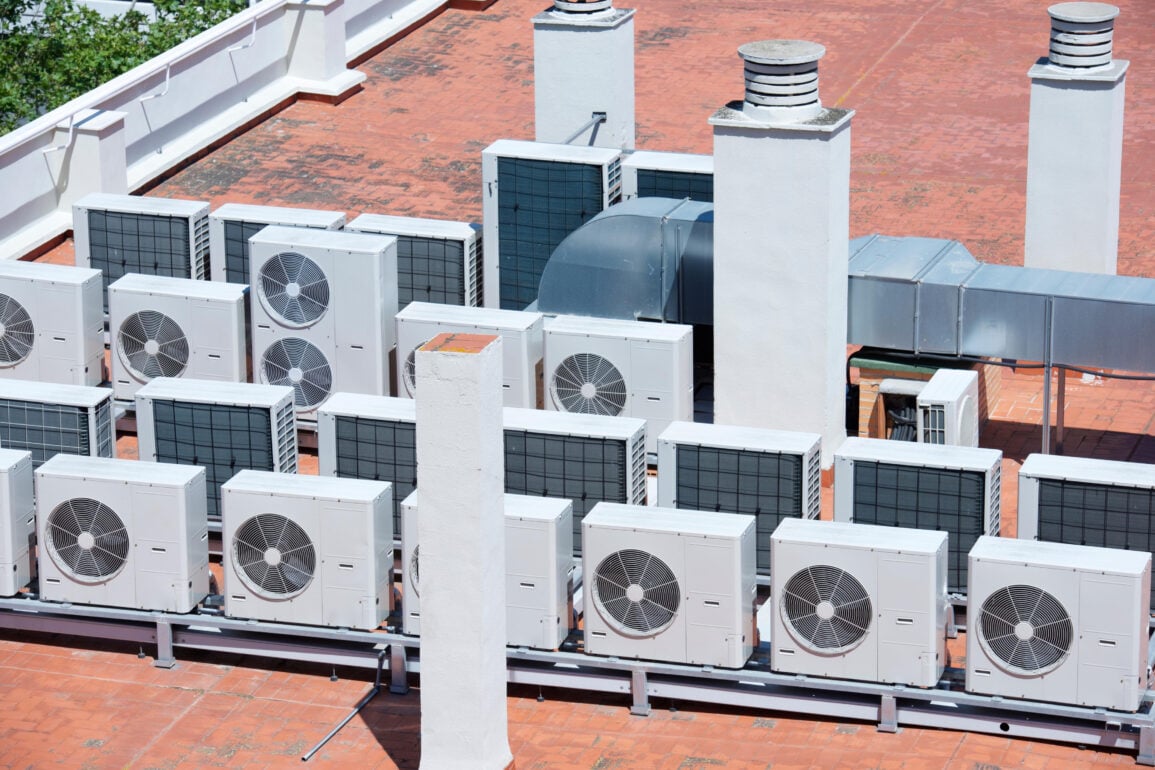
- Keep outdoor units clear. Leaves, grass clippings, and debris can accumulate around outdoor condenser units, blocking airflow. Clearing a couple of feet of space around the unit helps it breathe properly.
- Check and clean vents. Dust buildup on vents and registers can reduce airflow throughout your home. Regularly vacuuming these areas keeps air moving freely.
- Monitor your thermostat settings. An outdated or malfunctioning thermostat can cause your system to run inefficiently. Upgrading to a programmable or smart thermostat can also help regulate temperatures more effectively.
These small efforts, while simple, add up to meaningful savings and fewer headaches down the road.
Signs You Need Professional Repair
Even with diligent upkeep, HVAC systems occasionally need professional attention. Knowing the warning signs can help you act before a minor issue becomes a costly emergency.
Unusual noises — banging, screeching, or rattling — often indicate a mechanical problem that shouldn’t be ignored. Similarly, inconsistent temperatures throughout your home may point to issues with ductwork, airflow, or the system’s internal components. A sudden spike in energy bills, without a corresponding change in usage, can also signal that your system is working harder than it should.
Strange odors are another red flag. A musty smell might indicate mold growth within the system, while a burning odor could point to electrical issues that need immediate attention. If you notice any of these symptoms, it’s best to contact a qualified technician rather than attempting a DIY fix, especially when electrical or refrigerant components are involved.
Building a Maintenance Schedule
Consistency is key when it comes to HVAC care. Rather than waiting for problems to arise, consider setting a seasonal schedule. Spring and fall are ideal times for professional inspections, since these seasons precede the heaviest usage periods for cooling and heating systems, respectively.
Keep a simple log of maintenance tasks and repairs. This record not only helps you stay organized but also proves valuable if you ever sell your home, as it demonstrates the system has been well cared for.
Knowing When to Replace Rather Than Repair
At some point, every HVAC system reaches the end of its useful life. If your unit requires frequent repairs, struggles to maintain consistent temperatures, or is significantly older, it may be more cost-effective to invest in a replacement rather than continuing to patch up an aging system. A trusted technician can help you weigh the costs and benefits based on your specific situation.
Final Thoughts
Caring for your HVAC system doesn’t have to be complicated. A mix of simple, regular upkeep and awareness of warning signs goes a long way toward keeping your home comfortable year-round. By staying proactive rather than reactive, you’ll save money, reduce stress, and get the most out of your system for years to come.