


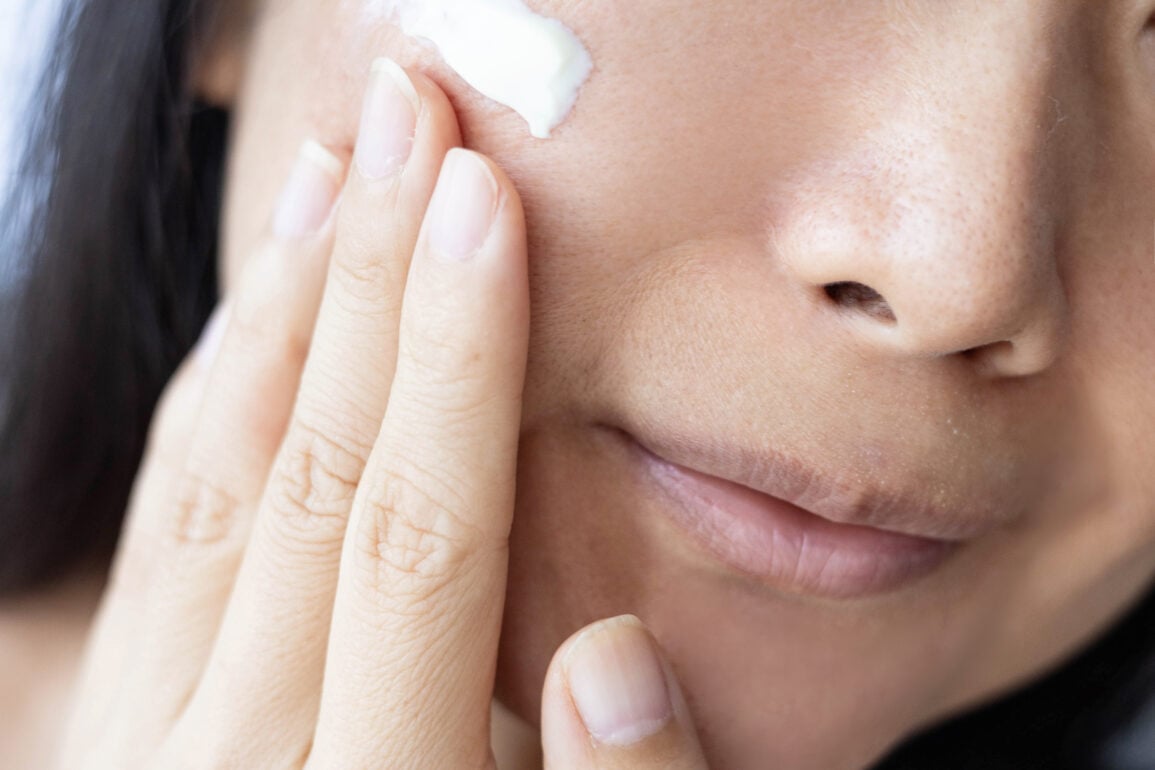
Standing in front of a shelf full of moisturizers can feel oddly overwhelming. Gels, lotions, creams, balms—they all promise hydration, but they don’t all deliver it the same way. The right choice depends on your skin type, the climate you live in, and even the time of day you’re applying it. Understanding what sets each formula apart can save you from wasted product and lackluster results.
Why Texture Matters More Than You Think
Every moisturizer is built on the same basic idea: locking moisture into the skin while creating a barrier against water loss. But the ratio of water to oil in a formula changes everything about how it feels, absorbs, and performs. A moisturizer that’s mostly water will feel light and disappear quickly. One that’s mostly oil will feel rich and sit on the surface longer. That single variable is why gels, lotions, creams, and balms can address such different skin needs even though they’re technically doing the same job.
Gel Moisturizers: Lightweight Hydration
Gel moisturizers are water-based and often contain humectants like hyaluronic acid or glycerin, which pull moisture into the skin rather than sealing it in with oil. They absorb almost instantly, leaving no greasy residue behind. This makes gels a favorite for oily or acne-prone skin, since they hydrate without adding excess shine or clogging pores. They’re also well-suited to humid climates or summer months, when heavier formulas can feel suffocating.
The tradeoff is staying power. Because gels are lighter, they may not provide enough lasting moisture for dry or mature skin, especially in colder or drier conditions. If your skin feels tight or flaky by midday, a gel alone probably isn’t giving you enough.
Lotion Moisturizers: The Everyday Middle Ground
Lotions strike a balance between water and oil content, making them thinner than creams but more emoliating than gels. They spread easily, absorb at a moderate pace, and work well for normal to combination skin types. Lotions are often the go-to choice for all-over body application, since their consistency makes them easy to apply over larger areas without feeling heavy.
For the face, lotions can be a solid everyday option if your skin isn’t particularly dry or particularly oily. They offer enough hydration to keep skin comfortable without the density that some people find too rich for daytime wear.
Cream Moisturizers: Richer, Longer-Lasting Hydration
Creams contain a higher oil-to-water ratio than lotions, giving them a thicker consistency and a more substantial feel on the skin. This density allows creams to form a stronger barrier, which helps prevent water loss over a longer stretch of time. Dry, sensitive, or mature skin tends to benefit most from creams, particularly during colder months when the air strips moisture faster.
Creams are also popular as night moisturizers, even for those with normal or slightly oily skin, because skin naturally loses more water while you sleep. Applying a richer formula overnight gives it time to work without the concern of shine during the day.
Balm Moisturizers: Maximum Barrier Protection
Balms sit at the far end of the spectrum, made primarily of oils, butters, or waxes with very little to no water content. Rather than hydrating in the traditional sense, balms work almost entirely as occlusives, sealing whatever moisture is already in the skin and shielding it from the environment. This makes them incredibly effective for very dry, cracked, or compromised skin, such as on elbows, heels, or areas exposed to harsh wind and cold.
Balms aren’t typically designed for all-over facial use, since their heaviness can feel excessive and may contribute to congestion for those prone to breakouts. They shine as targeted treatments for the driest patches or as a final sealing step over other products.
Matching the Formula to Your Skin and Season
Rather than picking one moisturizer type and sticking with it forever, consider that your skin’s needs shift. Oily skin might do best with a gel during summer but need a light lotion in winter. Dry skin might rely on a cream year-round but reach for a balm on particularly harsh days. Combination skin sometimes calls for two different products used on different areas of the face.
Pay attention to how your skin feels after application. Tightness or flaking a few hours later suggests you need something richer. Persistent shine or clogged pores suggests the formula is too heavy. Adjusting based on these signals, rather than habit alone, is the simplest way to land on the right moisturizer.
Finding What Works for You
There’s no single best moisturizer texture—only the one that fits your skin’s current needs. Gels offer light, fast-absorbing hydration. Lotions provide balanced everyday moisture. Creams deliver richer, longer-lasting protection. Balms seal in moisture when skin needs the most support. Learning to read your skin and adjust accordingly turns moisturizing from a guessing game into a routine that actually works.