


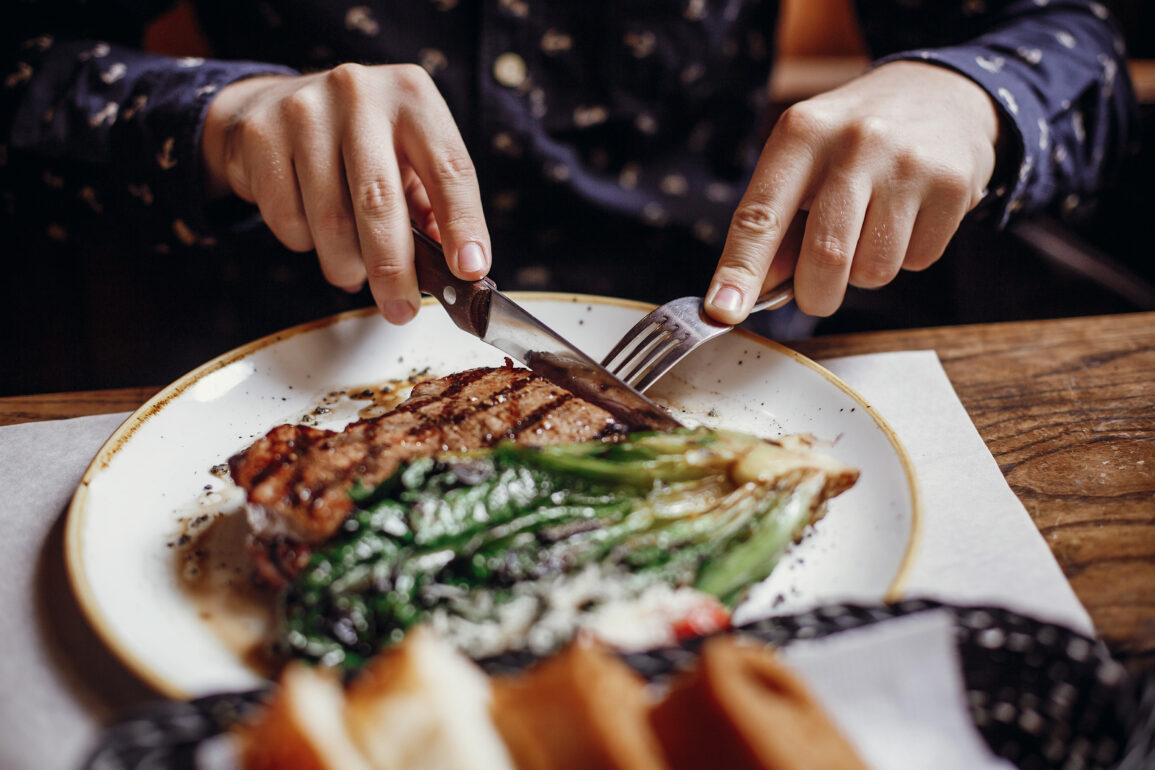
Starting weight loss injections changes more than your appetite. It transforms your entire relationship with food, often overnight. Suddenly, the hunger cues you’ve followed for years go quiet, portions that once felt normal now seem impossible to finish, and meals that used to bring satisfaction can feel like a chore. In the middle of this adjustment, two nutrients deserve a permanent spot on your plate: protein and fiber. Here’s why they matter so much right now.
Your Appetite Has Changed, But Your Nutritional Needs Haven’t
Weight loss injections work by slowing digestion and reducing hunger signals, which means you’re likely eating significantly less than before. That’s the point, of course. But eating less creates a new challenge: how do you get all the nutrients your body needs from a smaller volume of food?
This is where intentional eating becomes essential. When every bite counts, you can’t afford to fill up on empty calories. Every meal needs to pull its weight nutritionally, and that’s exactly where protein and fiber step in as the foundation of a smarter eating strategy.
Protein: Your Defense Against Muscle Loss
One of the lesser-discussed side effects of rapid weight loss is the risk of losing muscle mass along with fat. When your body is in a calorie deficit, it will pull energy from wherever it can find it, and without enough protein intake, that sometimes means breaking down muscle tissue.
Preserving muscle matters for more than just appearance. Muscle supports your metabolism, keeps you strong and functional, and helps maintain healthy blood sugar regulation. Losing weight while losing muscle can leave you lighter on the scale but weaker overall, which isn’t the outcome anyone wants.
Prioritizing protein at every meal helps counteract this risk. Foods like eggs, poultry, fish, Greek yogurt, cottage cheese, tofu, and legumes should become regular fixtures in your diet. Since appetite is limited, aim to include a protein source first in your meal, before reaching for anything else. This ensures you’re getting what your muscles need even when your total food intake is small.
Protein also has a satiating effect that works well alongside these medications. It helps you feel fuller for longer, which can make the adjustment to smaller portions feel more natural rather than restrictive.
Fiber: Supporting Digestion When Things Slow Down
Weight loss injections work in part by slowing gastric emptying, meaning food stays in your stomach longer. This is part of what makes you feel full faster and for longer periods. However, it can also lead to digestive discomfort, including constipation, bloating, or general sluggishness in the gut.
Fiber becomes a valuable tool here. It supports regular bowel movements, feeds beneficial gut bacteria, and helps keep digestion moving smoothly even when everything else has slowed down. Vegetables, fruits, whole grains, beans, chia seeds, and lentils are all excellent sources worth incorporating regularly.
That said, fiber needs to be introduced thoughtfully. Adding too much too quickly, especially when your digestive system is already adjusting to medication, can backfire and worsen bloating or discomfort. A gradual increase, paired with adequate water intake, tends to work best. Think of fiber as something you build up over time rather than something to load up on all at once.
Building Meals Around These Two Priorities
With appetite reduced, every meal needs to be purposeful. A helpful approach is to mentally divide your plate: one portion for a protein source, another for fiber-rich vegetables or whole grains, and a smaller space for healthy fats or other additions. This structure takes the guesswork out of eating and ensures you’re consistently covering your nutritional bases.
Smaller, more frequent meals may also work better than three large ones, particularly if your appetite fluctuates throughout the day. Keeping simple, protein-and-fiber-forward snacks on hand, like hard-boiled eggs, hummus with vegetables, or a small handful of nuts, can help bridge gaps without derailing your progress.
Listening to Your Body Through the Adjustment
Every person’s experience with weight loss injections is different, and appetite changes can vary widely from one week to the next. Some days, eating enough protein and fiber will feel easy. Other days, even small meals may feel like a lot. Being patient with this process, while staying consistent about prioritizing these two nutrients, will serve you well over the long run.
Food is still meant to nourish and even bring enjoyment, even in smaller quantities. By making protein and fiber the foundation of your meals, you’re supporting your body through this transition in a way that promotes sustainable, healthy results rather than just numbers on a scale.