


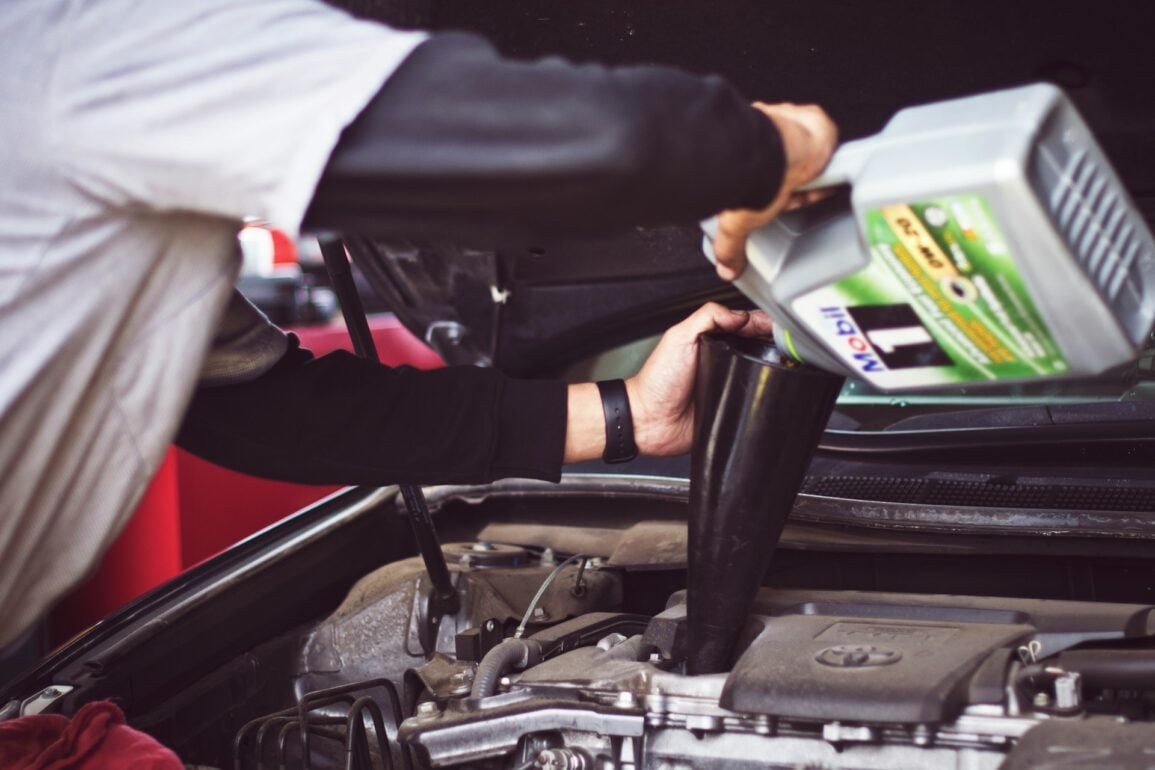
When it comes to vehicle maintenance, most drivers rely on the convenience of the local quick-oil shop. You pull in, wait a few minutes, hand over your card, and drive away. While this approach seems easy, it distances you from one of the most vital components of your vehicle’s health. Taking the time to learn how to maintain your engine is a surprisingly rewarding experience that goes far beyond a simple weekend chore.
Understanding the inner workings of your vehicle builds a sense of confidence and ownership. At the heart of this routine maintenance is replacing your car oil, a fluid that serves as the lifeblood of your engine. When you take this task into your own hands, you are no longer at the mercy of scheduling conflicts or confusing service menus. Let’s explore exactly why learning to perform this basic automotive service is a skill every driver should develop.
Unmatched Quality Control
When you drop your vehicle off at a generic service center, you rarely know exactly what goes into your engine. Many shops use bulk fluids and standard-grade filters to keep their overhead costs low. Even if you request a premium synthetic blend, you are ultimately trusting a stranger to pour the right product from the correct bottle.
By taking the DIY route, you have complete control over the materials. You can select the precise brand, viscosity, and synthetic formulation that best suits your driving habits and local climate. You also get to choose a high-quality filter designed to trap smaller contaminants. This level of quality control ensures your engine receives the best possible protection, which is especially important if you plan to keep your vehicle for well past the hundred-thousand-mile mark. Knowing the job was done correctly, without stripped drain plugs or double-gasketed filters, offers a profound sense of peace of mind.
Significant Financial Savings
Taking care of your own routine maintenance keeps more money in your pocket. While the initial investment requires buying a drain pan, a filter wrench, and a set of ramps, these tools pay for themselves after just a couple of uses.
Service centers mark up the cost of materials and charge a premium for labor. When you handle the job yourself, you only pay retail price for the fluid and the filter. Many auto parts stores run special promotions where you can buy premium synthetic fluid and a top-tier filter together at a steep discount. Over the lifespan of a vehicle, performing these changes yourself saves you hundreds of dollars. Additionally, you avoid the high-pressure sales tactics found at quick-oil locations, where technicians are trained to upsell you on air filters, wiper blades, and fluid flushes you might not actually need.
Valuing Your Time
One of the main selling points of quick-oil shops is speed, but the reality often looks quite different. You have to drive out of your way, sit in a waiting room, and hope there isn’t a long line ahead of you. Scheduling an appointment at a traditional dealership often means leaving your car there for half the day.
Once you learn the process and organize your tools, a home oil change takes roughly thirty minutes from start to finish. You can do it on a Saturday morning in your driveway while listening to a podcast, without ever having to sit in a sterile waiting room. The convenience of maintaining your vehicle on your own schedule, without relying on a shop’s operating hours, is incredibly liberating.
Spotting Potential Problems Early
When you slide under your vehicle with a flashlight, you gain a unique perspective on your car’s overall health. Mechanics call this a visual inspection, and doing it yourself helps you catch small issues before they become expensive disasters.
While waiting for the old fluid to drain, you can look around for other signs of wear. You might spot a small coolant leak, a torn CV boot, or a frayed serpentine belt. Catching a minor leak early allows you to address the problem on your own terms, rather than waiting for a dashboard warning light to illuminate while you are cruising down the highway. Developing a familiarity with how the underside of your vehicle looks makes it much easier to notice when something is wrong.
Building Automotive Confidence
Automobiles are complex machines, and lifting the hood can be intimidating for anyone who didn’t grow up turning wrenches. However, replacing the engine’s primary lubricant is one of the most straightforward and forgiving mechanical tasks you can learn. It follows a simple, logical sequence: drain the old fluid, replace the filter, secure the plug, and pour in the new fluid.
Successfully completing this task demystifies the engine bay. It proves that you are entirely capable of maintaining your own machine. This newfound confidence often spills over into other areas of vehicle care. Once you realize how simple it is to change the oil, you might feel empowered to swap out your own engine air filter, replace your spark plugs, or rotate your tires.
A Worthwhile Investment in Yourself
Learning to handle your own vehicle maintenance is a practical life skill that pays ongoing dividends. It requires a modest initial investment in basic tools and a willingness to get your hands a little dirty, but the rewards are substantial. You save money, ensure your engine receives premium care, and reclaim your valuable time.
More importantly, it transforms your relationship with your vehicle. Instead of viewing your car as a mysterious box that requires professional intervention every few months, you begin to see it as a machine you can care for. The next time your odometer rolls over to that scheduled maintenance interval, consider skipping the service lane. Put on some old clothes, grab a wrench, and take pride in doing the job right yourself.