


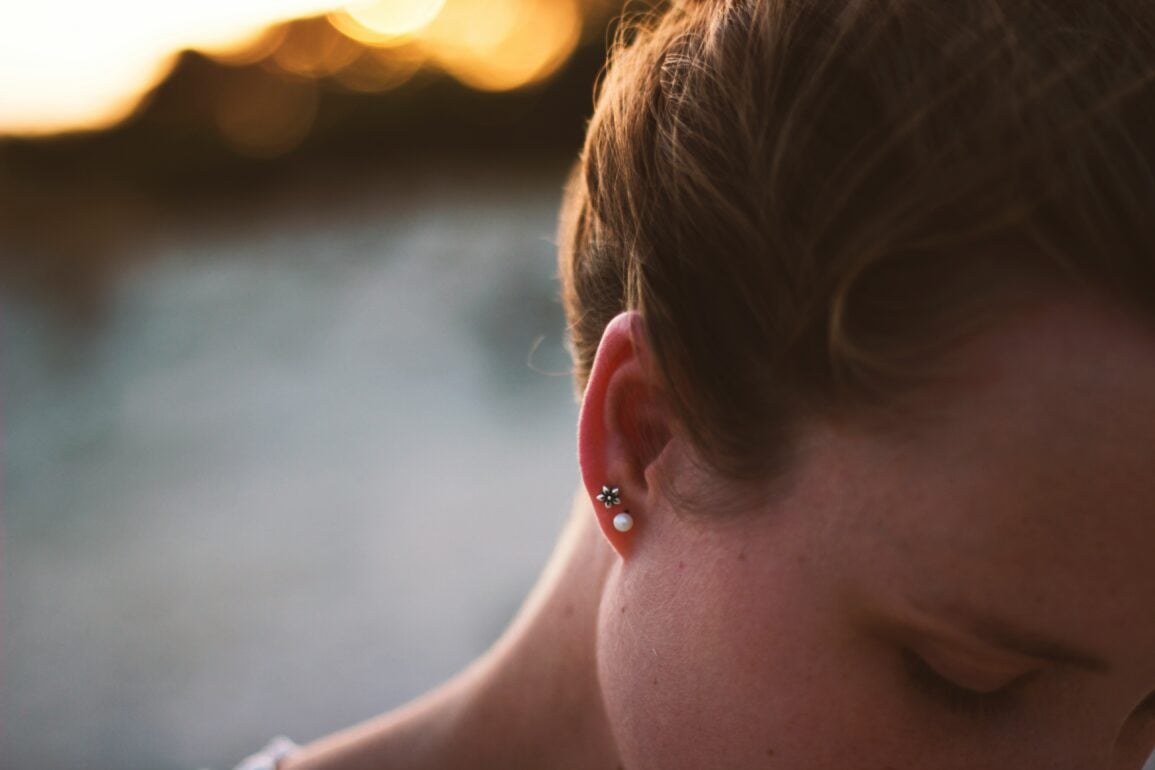
Body piercings have become increasingly popular as a form of self-expression, and helix piercings are one of the most common choices for people looking to add style to their ears. Located along the upper cartilage of the ear, a helix piercing offers a sleek and versatile look that can be customized with studs, hoops, or decorative jewelry. Whether someone wants a single piercing or multiple piercings stacked together, the helix area allows for a wide range of creative options.
Helix piercing procedures are typically quick and straightforward when performed by a professional piercer. Unlike traditional lobe piercings, a helix piercing goes through cartilage, which is firmer and takes longer to heal. Most professional studios use a sterilized hollow needle rather than a piercing gun because needles are generally safer and less traumatic for cartilage tissue. The process usually begins with cleaning the ear, marking the desired placement, and inserting the jewelry immediately after the piercing is made.
Pain levels vary from person to person, but many people describe a helix piercing as moderately uncomfortable rather than extremely painful. Because cartilage is tougher than soft tissue, there may be a sharper pinch and some pressure during the procedure. Mild throbbing, redness, and swelling are normal for the first several days afterward. Over-the-counter pain relievers and cold compresses can often help reduce discomfort during the early healing period.
Healing time is one of the most important things to understand before getting a helix piercing. While the outer surface may appear healed within a few weeks, cartilage can take anywhere from three months to a year to fully heal internally. During this time, proper aftercare is essential. Cleaning the area with a saline solution, avoiding unnecessary touching, and keeping hair and dirty objects away from the piercing can help reduce the risk of irritation or infection.
Sleeping on the pierced side is one of the most common causes of prolonged healing problems. Pressure against the cartilage may lead to swelling, tenderness, or piercing bumps. Many people find it helpful to use a travel pillow or sleep on the opposite side while healing. It is also important to avoid changing jewelry too early, as this can damage delicate healing tissue and restart the recovery process.
Jewelry selection can greatly affect comfort and appearance. Titanium, surgical steel, and gold are often recommended because they are less likely to trigger allergic reactions. Studs are commonly used for initial piercings because they move less during healing. Once fully healed, many people switch to small hoops, chains, or decorative pieces for a more customized style.
Although helix piercings are generally safe when done professionally, complications can occur if aftercare is ignored. Signs of infection may include excessive redness, heat, swelling, yellow discharge, or severe pain. If these symptoms appear, it is important to contact a healthcare provider or professional piercer for guidance rather than removing the jewelry immediately.
For many people, a helix piercing is a stylish way to personalize their look without making a dramatic change. With the right piercer, quality jewelry, and consistent aftercare, most individuals can enjoy a successful healing experience and long-lasting results.