


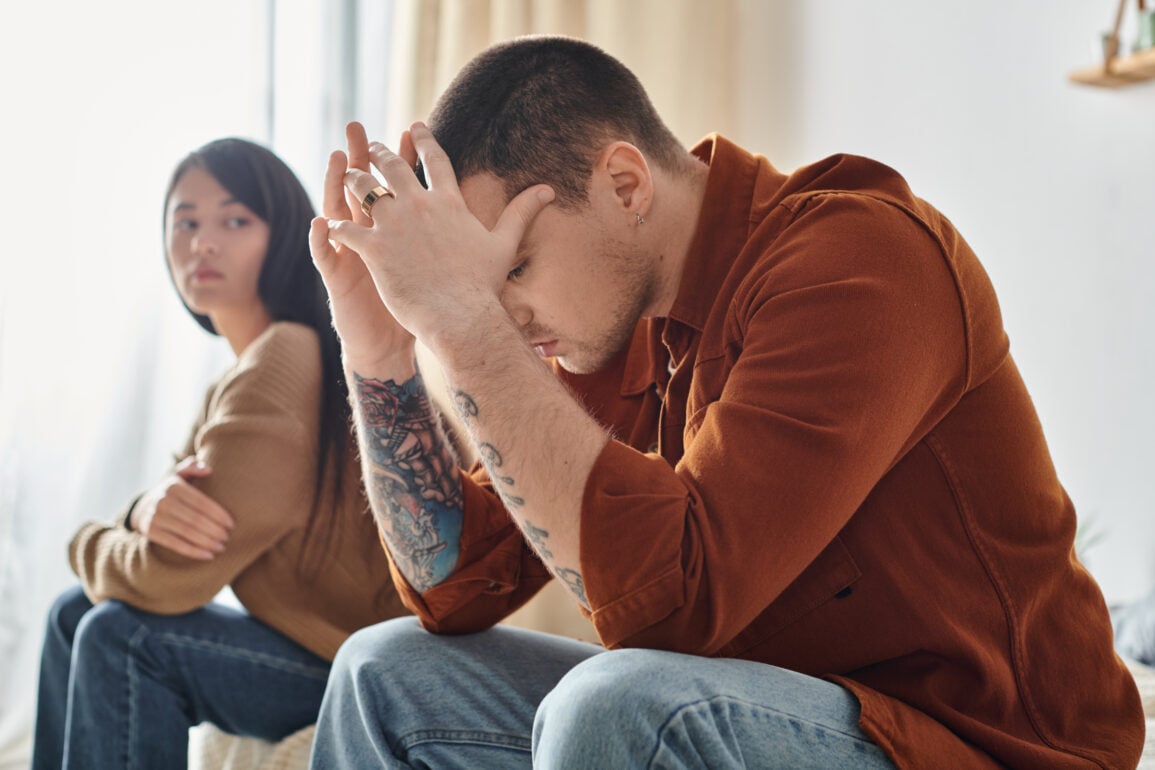
The invitations are sent, the venue is booked, and the dress is hanging in the closet. Yet somewhere in the quiet moments before sleep, a nagging thought creeps in: Am I making the right choice? If this sounds familiar, take a breath. Having doubts before a wedding is far more common than most people admit, and it doesn’t necessarily mean you’re making a mistake.
Why Pre-Wedding Doubts Happen
Weddings mark one of the biggest transitions in a person’s life. You’re not just planning a party; you’re committing to share your future, finances, family, and daily life with another person indefinitely. It would be strange not to feel some hesitation in the face of something so significant.
These doubts often stem from a mix of sources. Wedding planning itself is stressful, and exhaustion can easily masquerade as uncertainty about the relationship. Family dynamics, financial pressures, and the fear of losing independence can all surface as anxiety in the weeks leading up to the big day. Sometimes doubt is simply the mind’s way of processing a major life change, not necessarily a sign that something is wrong with the partnership.
It also helps to recognize that doubt and fear aren’t always about your partner at all. They may be about the institution of marriage, past relationship wounds, or watching other marriages struggle. Untangling the source of the doubt is often the first step toward understanding it.
Normal Jitters vs. Genuine Red Flags
Not all doubts carry the same weight, and learning to tell the difference matters. Normal pre-wedding jitters tend to be vague, fleeting, and tied to logistics or nerves. You might worry about hosting a big event, merging finances, or simply feeling overwhelmed by change. These feelings usually come and go, and they rarely point to a fundamental problem with the relationship.
Genuine red flags look different. They tend to be persistent, specific, and tied directly to compatibility or trust. Ongoing conflict about core values, a partner who is unwilling to communicate, patterns of dishonesty, or a general sense of dread rather than nervousness are worth taking seriously. The distinction isn’t always obvious in the moment, which is why talking through these feelings with a trusted, objective source can bring much-needed clarity.
Why Talking It Through Matters
Doubt that goes unspoken tends to grow. Left unexamined, small worries can snowball into anxiety that overshadows what should be a joyful time. This is where marital help becomes valuable, even before the wedding itself. Many couples assume marriage counseling is only for relationships already in crisis, but premarital counseling and open dialogue can be just as useful for working through cold feet.
A skilled counselor doesn’t tell you whether to go through with the wedding. Instead, they help you and your partner communicate more clearly, identify the actual source of the doubt, and determine whether it reflects a temporary stressor or a deeper incompatibility. Sometimes doubts fade once they’re spoken aloud and addressed directly. Other times, the process reveals something important that both partners needed to confront before making a lifelong commitment.
The Role of Reconciliation in Working Through Doubt
Doubt doesn’t always mean the relationship is broken. In many cases, it’s an invitation toward reconciliation between two people who love each other but have unresolved friction. Maybe there’s lingering hurt from an old argument, unspoken resentment about how responsibilities are shared, or fear rooted in a past relationship that has nothing to do with the current partner.
Reconciliation, in this context, means working through those unresolved feelings so they don’t quietly undermine the marriage later. It’s not about dismissing doubt or pushing it aside to avoid conflict before the wedding. It’s about facing it honestly, together, so both partners walk into marriage with clear eyes rather than lingering resentment.
Moving Forward with Confidence
Doubt before a wedding isn’t automatically a warning sign, but it also shouldn’t be ignored. The healthiest approach is curiosity rather than panic: asking where the feeling comes from, whether it’s rooted in stress or something more substantial, and whether it can be resolved through honest conversation.
Seeking marriage counseling or marital help during this season isn’t a sign of failure. It’s a proactive step toward building a stronger foundation. Whether the doubts fade after a few honest conversations or reveal something that needs more attention, addressing them directly gives couples the best chance at walking into marriage with confidence rather than quiet uncertainty.