


Anyone who has hauled boxes across a parking lot, down a long hallway, and into a freight elevator knows the appeal of parking right next to your unit. Drive-up storage promises exactly that convenience, but is it actually the smarter choice if you plan to visit often? The answer depends on what you’re storing, how frequently you need it, and what trade-offs you’re willing to accept.
What Makes Drive-Up Storage Different
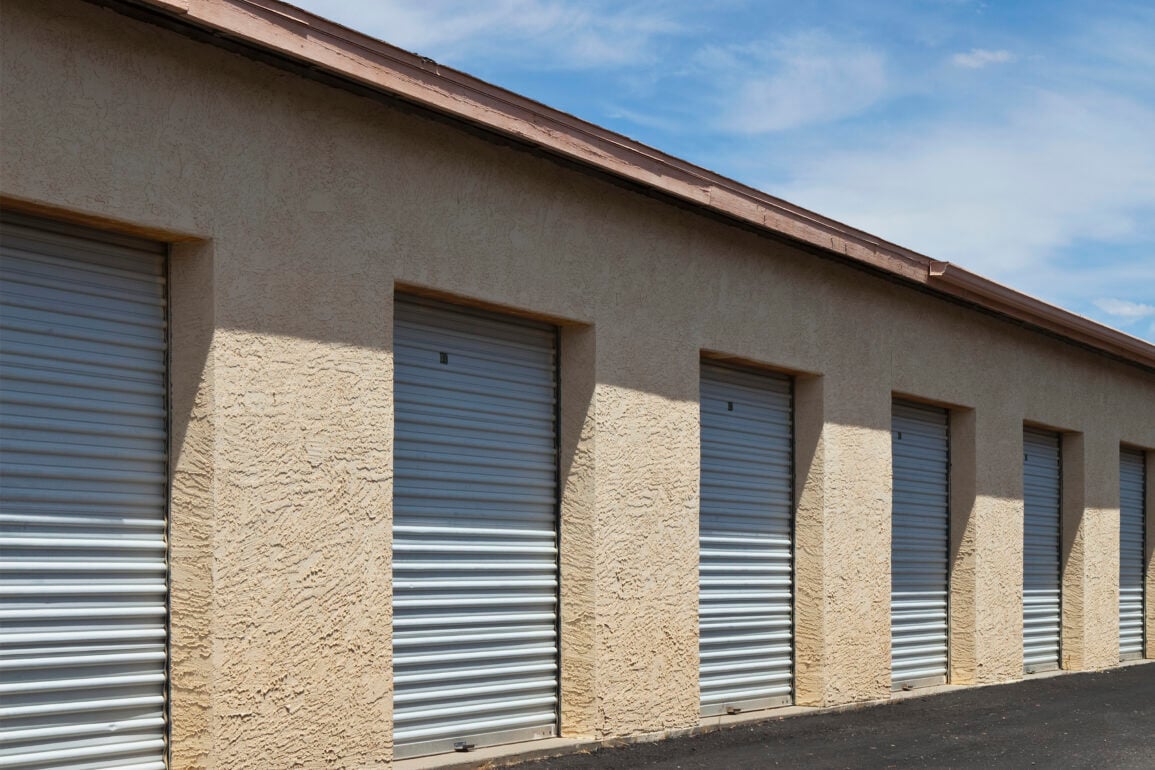
A drive-up unit is exactly what it sounds like: a storage space you can pull your vehicle right up to, load or unload, and drive away. There’s no elevator to wait for, no long interior corridor to navigate, and no cart to wrestle through narrow hallways. For anyone who values speed and simplicity, this setup removes several steps from the process entirely.
Compare that to indoor units, which are typically located inside a climate-controlled building. Accessing them means parking in a shared lot, walking or rolling items through common areas, and sometimes taking an elevator to reach an upper floor. It’s a more involved process, but it comes with its own set of advantages that shouldn’t be dismissed outright.
The Case for Frequent Access
If you’re someone who visits your rented storage unit multiple times a week, drive-up access can save real time. Business owners rotating inventory, contractors grabbing tools and equipment, or seasonal sellers restocking supplies often find that the ability to back a vehicle up to the door and load directly makes a measurable difference in their routine. There’s no need to plan around building hours in the same way, and the physical effort of moving items is generally lower since everything travels a shorter distance.
This convenience also extends to bulkier or heavier items. Furniture, appliances, and large equipment are simpler to load when you can drive right up rather than maneuvering them through hallways and elevators. For anyone prioritizing efficiency over other factors, this is where drive-up storage tends to shine.
Where Indoor Access Holds Its Own
That said, frequent access doesn’t automatically mean drive-up is the better fit. Indoor units offer protection from the elements that drive-up spaces often can’t match. If your visits involve sensitive items like electronics, documents, artwork, or anything vulnerable to temperature swings and humidity, an indoor climate-controlled unit may serve you better even if it takes a few extra minutes to reach.
There’s also a security consideration. Indoor facilities often have a single point of entry, meaning anyone accessing their unit passes through a monitored checkpoint. Drive-up units, while still generally secure, are more exposed to outdoor conditions and foot or vehicle traffic. If peace of mind matters as much as convenience, this is worth factoring into your decision.
Weighing Convenience Against Practical Needs
The right choice really comes down to matching the storage type to your actual habits. Ask yourself how often you’ll realistically be visiting, what you’re storing, and how much that item’s condition matters to you long-term. Someone accessing a rented storage unit daily for business inventory has very different priorities than someone storing seasonal decorations they’ll retrieve twice a year.
It’s also worth considering the physical demands of your visits. If you’re frequently loading heavy or bulky items alone, the reduced walking distance of drive-up storage can meaningfully cut down on strain and time. But if your visits are frequent yet involve smaller, more delicate items, the added protection of an indoor unit might outweigh the extra steps required to reach it.
Making the Decision That Fits Your Routine
There’s no universal answer to whether drive-up storage is better for frequent access. It genuinely depends on your specific situation. For those prioritizing speed, ease of loading, and minimal physical effort, drive-up units are hard to beat. For those who need climate control, added security, or protection from the elements, an indoor unit might be worth the small trade-off in convenience.
Before committing to a rented storage unit, take stock of what you’re storing, how often you’ll need it, and what matters most during each visit. That clarity will point you toward the option that actually fits your life, rather than the one that simply sounds more convenient on paper.