

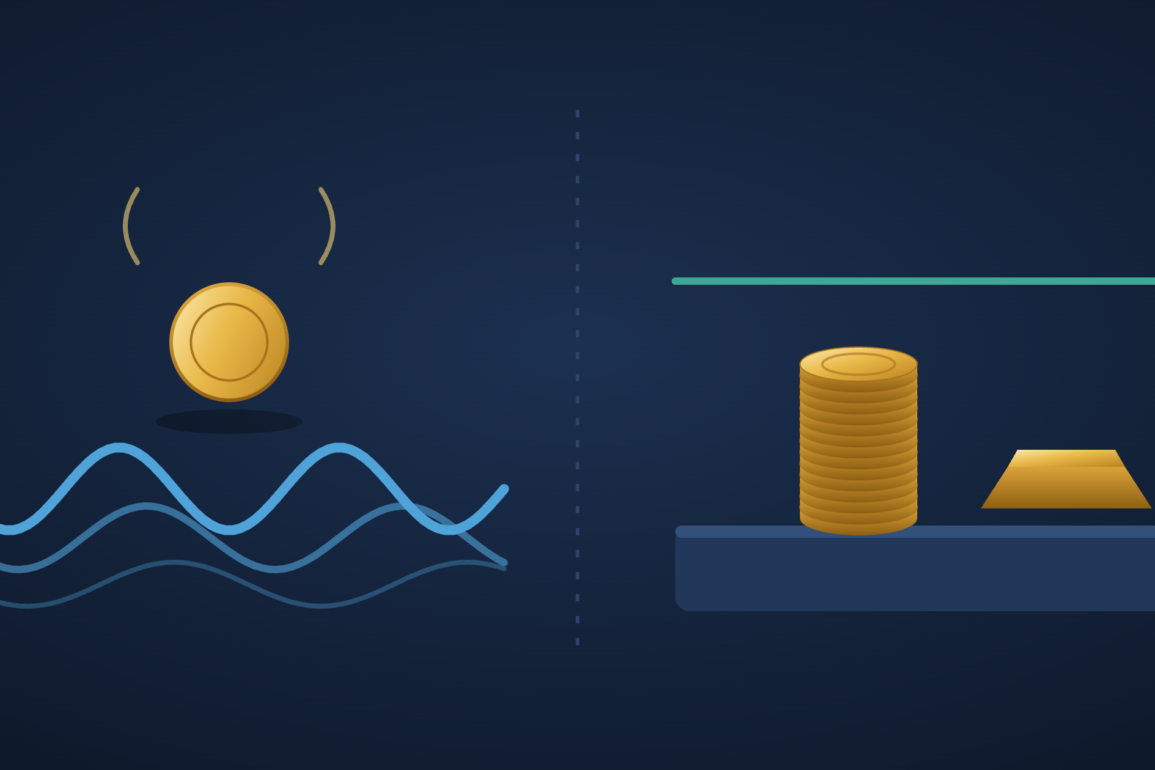
Interest-rate structure can materially shape the borrowing experience, even when the loan amount and pledged gold remain unchanged. A fixed-rate facility generally keeps the agreed rate stable for the specified tenure, subject to the contract. A floating-rate facility can move with an external benchmark or a lender-defined reference rate. That movement may help when rates decline, but it can also raise interest costs when the benchmark moves upward. The uncertainty matters because gold-backed loans are often used for short-term household, business, education or emergency expenses. Borrowers usually want to know how much they’ll need to repay and when. With a variable rate, that figure may change during the tenure, making cash-flow planning less exact than it would be under a comparable fixed-rate arrangement.
How Do Fixed and Floating Gold Loan Rates Work?
Under a fixed-rate structure, the lender generally applies the agreed rate throughout the stated loan period. Market rates may rise or fall, but the borrower’s pricing ordinarily remains unchanged unless the contract provides for a revision under specified circumstances. This makes the expected interest cost easier to estimate, particularly where the loan has a clear repayment date.
A floating rate works differently. It is commonly made up of a benchmark and a spread. The benchmark may respond to monetary policy, market funding conditions or changes in the lender’s reference rate. The spread represents the additional margin applied to the borrower or product. If the benchmark changes, the effective gold loan interest rate may be reset according to the terms of the agreement.
The practical difference can be summarised as follows:
-
A fixed rate generally supports cost certainty.
-
A floating rate allows the cost to move with the benchmark.
-
A fixed rate may not benefit from a market-rate decline.
-
A floating rate may become cheaper or more expensive.
-
Both structures remain subject to lender policies and contractual terms.
Floating-rate structures may not be available from every lender or for every gold-backed product. The sanction letter should identify whether the offered rate is fixed, floating or otherwise subject to revision.
Why Is a Floating Rate Less Predictable?
The central uncertainty is the benchmark. A borrower can see the rate applicable on the sanction date, but cannot know with certainty how monetary policy, liquidity or market borrowing costs will evolve over the entire tenure. If the reference rate rises, the lender may increase the borrower’s rate at the next reset, depending on the agreed mechanism.
Reset timing adds another variable. Some facilities may be reviewed monthly, quarterly or at another stated interval. Two loans linked to similar benchmarks can therefore react differently because their reset dates aren’t the same. A benchmark increase immediately after one loan’s reset may affect it later, while another loan nearing its reset could reflect the change sooner.
Consider a ₹3 lakh gold loan with a one-year tenure. If the rate rises from 11% to 12% halfway through the year, the additional simple interest for the remaining six months would be around ₹1,500, assuming the full principal remains outstanding. The actual difference may vary with the repayment method and calculation basis.
Uncertainty can also arise from:
-
the frequency of benchmark resets;
-
the method used to communicate rate changes;
-
changes in the repayment amount or maturity dues;
-
the speed at which rate cuts are transmitted; and
-
whether the spread itself can change under the contract.
A variable rate is not inherently unsuitable. It simply transfers more interest-rate movement to the borrower than a fixed-rate structure typically does.
How Can Rate Changes Affect Repayment Planning?
The impact depends on how the lender applies the revised rate. For an instalment-based facility, a rate increase may raise the instalment, extend the repayment period or alter the amount due at maturity, subject to the agreed structure. On a loan where interest is paid periodically and principal is cleared later, the regular interest payment may rise. Under a bullet arrangement, the change can increase the final amount payable.
This matters because a small percentage movement can feel insignificant when viewed as an annual rate but become noticeable in rupee terms. The longer the loan remains open and the larger the outstanding principal, the greater the possible impact. A short tenure reduces exposure to several rate cycles, although even a short loan could be affected if its reset occurs during the borrowing period.
A gold loan calculator can be used to test alternative assumptions rather than only the opening rate. For example, borrowers may estimate repayment at the quoted rate and then repeat the calculation after adding 0.50 or one percentage point. Such scenarios are illustrative, not forecasts, but they can show whether the household or business has enough room in its budget.
Planning should account for:
-
the amount payable at the present rate;
-
the effect of a possible upward revision;
-
the expected repayment date;
-
part-payment options and related conditions;
-
charges disclosed separately from interest; and
-
the consequences of delayed payment.
A gold loan app may help users view account information, repayment dates or updated dues, depending on the lender’s facilities. Borrowers should still rely on formal loan documents and authorised communications when confirming a rate revision.
Does a Floating Rate Become Better When Market Rates Fall?
A declining-rate environment can benefit a floating-rate borrower if the relevant benchmark falls and the reduction is transmitted to the loan. The borrower may then pay less interest for the remaining tenure. However, the adjustment may not occur immediately. Lenders have different funding profiles, reset schedules and benchmark arrangements, so the extent and timing of the benefit can vary.
This is where floating rates can appear asymmetric. An increase in funding costs may lead lenders to revise pricing relatively quickly to protect their lending margins. A reduction may take longer to flow through because older deposits and borrowings remain on the balance sheet at higher costs. This pattern isn’t inevitable, and it should not be assumed for every lender or product.
Fixed pricing offers the opposite trade-off. It shields the borrower from an upward movement during the contracted period, but the existing rate usually remains unchanged when market rates decline. Early closure or refinancing may offer a route to different pricing, although applicable charges and fresh valuation requirements could reduce the benefit.
Before choosing between the two, the borrower should review:
-
the benchmark and current spread;
-
the reset frequency and effective date;
-
conditions permitting changes to the spread;
-
the lender’s communication process;
-
prepayment or conversion charges, if applicable; and
-
the annual percentage rate and other disclosed costs.
The Key Facts Statement, sanction letter and loan agreement should provide the relevant pricing information as per applicable regulatory requirements. A quoted verbal rate shouldn’t replace these written disclosures.
Conclusion
Floating-rate gold-backed loans are less predictable because their cost can change after sanction. Benchmark movements, reset dates and the method used to adjust repayment all affect the amount ultimately paid. A decline may reduce interest, while an increase can raise periodic payments or maturity dues.
Fixed rates generally provide greater certainty, although they may not pass on the benefit of falling market rates during the agreed tenure. Neither structure is automatically cheaper in every situation. The suitable option depends on the expected loan period, repayment capacity and willingness to accept rate fluctuations.
Before accepting an offer, borrowers should identify the rate type, review the benchmark and spread, and calculate how a possible revision may affect their budget. Clear written disclosures matter more than assumptions about where interest rates might move next.