


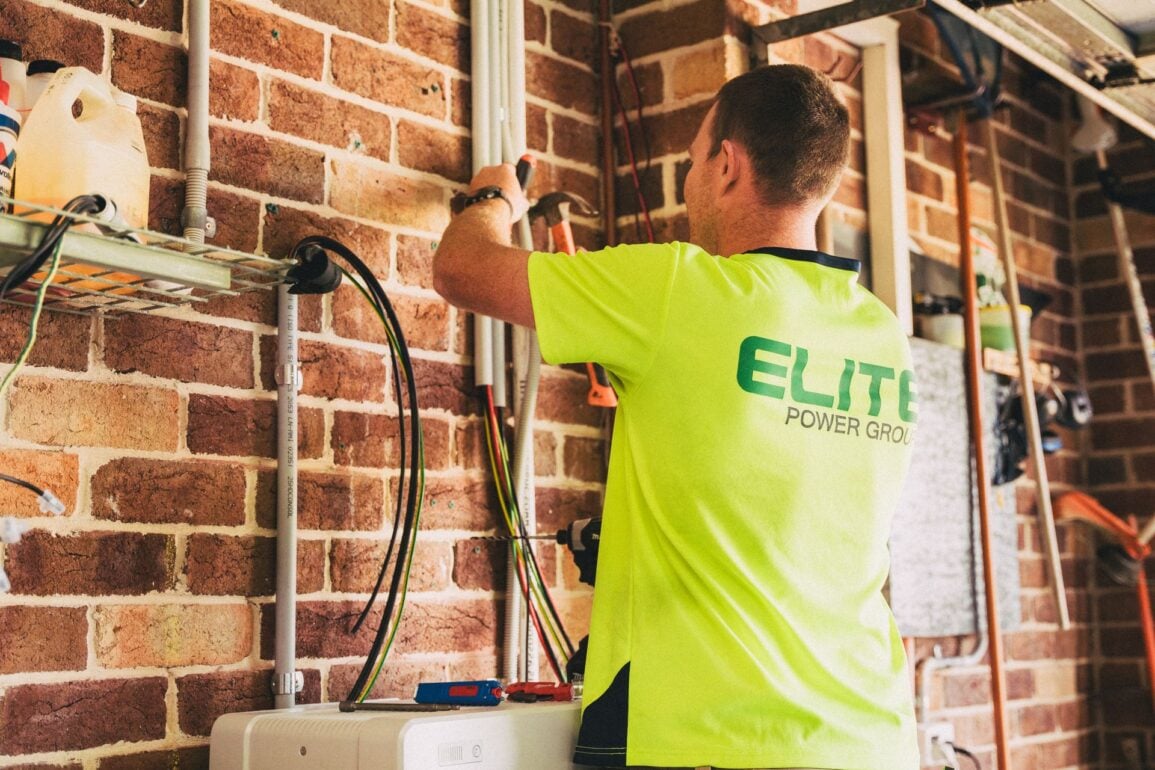
Tackling a weekend home improvement project can be incredibly rewarding. Painting a bedroom, swapping out cabinet hardware, or even installing a new bathroom vanity are all great ways to build some sweat equity. However, there’s a hard line where the do-it-yourself mentality needs to stop, and that line is usually drawn at your electrical panel. While fixing a leaky faucet might result in a temporary puddle, making a mistake with your home’s wiring can lead to catastrophic property damage or severe injury. Knowing exactly when you need to call an electrician is a vital part of responsible homeownership.
Constant Circuit Breaker Trips
Your home’s circuit breakers are designed to be the ultimate safety net. If a circuit is overloaded with too much current, the breaker trips and shuts off the power to prevent the wires from overheating. If a breaker trips once because you ran a high-wattage space heater and a heavy-duty vacuum cleaner on the same circuit simultaneously, it’s simply doing its job. You just need to reset the switch and unplug one of the devices.
However, if a specific breaker is tripping constantly, or if fuses are regularly blowing, this is a glaring red flag. Frequent tripping is often a sign that your home’s electrical demand has outgrown the panel’s capacity, or that there’s a dangerous short circuit hiding behind your drywall. A professional can evaluate the load and upgrade your panel or install dedicated circuits to safely distribute the power.
Flickering or Dimming Lights
We’ve all experienced a brief flicker of the lights during a heavy thunderstorm. But if your lights are dimming, buzzing, or flickering on a calm, sunny day, you likely have an internal issue. Pay close attention to when this happens. Does the kitchen overhead light dim right when the refrigerator compressor kicks on? Does the living room lamp flicker when the air conditioning unit starts up?
These heavy appliances draw a massive surge of power when they cycle on. If your lights are dimming in response, it means those machines are pulling too much current from a shared circuit. A licensed professional will typically fix this by running a dedicated line straight from the breaker box to the heavy-duty appliance, ensuring it gets the power it needs without starving the rest of the house. Alternatively, flickering can indicate a loose electrical connection, which is a major fire risk that requires immediate inspection.
Audible Buzzing from the Walls
Electricity should always be silent. If you hear a faint buzzing or humming sound coming from a wall outlet or your main breaker panel, it’s a clear indicator that something is mechanically wrong. This noise usually happens when loose wire connections cause the electrical current to vibrate as it tries to jump across a gap. It can also point to a breaker that’s failing to trip despite being overloaded. Never ignore a buzzing wall. It’s a direct precursor to a much larger electrical failure.
Discolored Outlets and Burning Smells
This is perhaps the most urgent warning sign you can encounter. If you ever notice that a wall outlet or light switch cover is warm to the touch, discolored, or showing brown scorch marks, you need to turn off the power to that room immediately. The same rule applies if you detect a faint, acrid smell of burning plastic or rubber near an electrical fixture.
These symptoms are the direct result of heat building up inside the wall. This happens because of damaged wire insulation or a phenomenon called arcing, where electricity jumps between two compromised wires. Electrical malfunctions or failures are the leading cause of home structure fires. A warm outlet isn’t a quirk of an older house. It’s an active hazard that requires an emergency service call.
Living With Outdated Wiring
If you live in a house that was built more than forty years ago and the wiring has never been updated, you’re likely operating on borrowed time. The average home built in the 1960s or 1970s was never designed to handle the sheer volume of electronics we rely on today, from multiple large televisions to high-speed computers and smart home devices.
One of the most obvious signs of an outdated system is the presence of two-prong outlets. These older outlets completely lack a grounding wire. The ground wire is a crucial safety feature that provides a safe path for stray electrical current to travel in the event of a surge. Relying on two-prong outlets, or using those little gray adapters to force a three-prong plug into a two-prong slot, puts your expensive electronics at risk and increases the likelihood of a shock. Updating to modern, grounded receptacles is a job that must be handled by someone who understands local building codes inside and out.
Ignoring your home’s electrical cries for help won’t make them go away. The wires running behind your walls are out of sight, but they should never be entirely out of mind. The moment you notice persistent issues with power delivery, unusual smells, or constant breaker trips, step away from the toolbox. Bringing in a licensed professional ensures the job is done safely, giving you total peace of mind every time you flip a switch.