


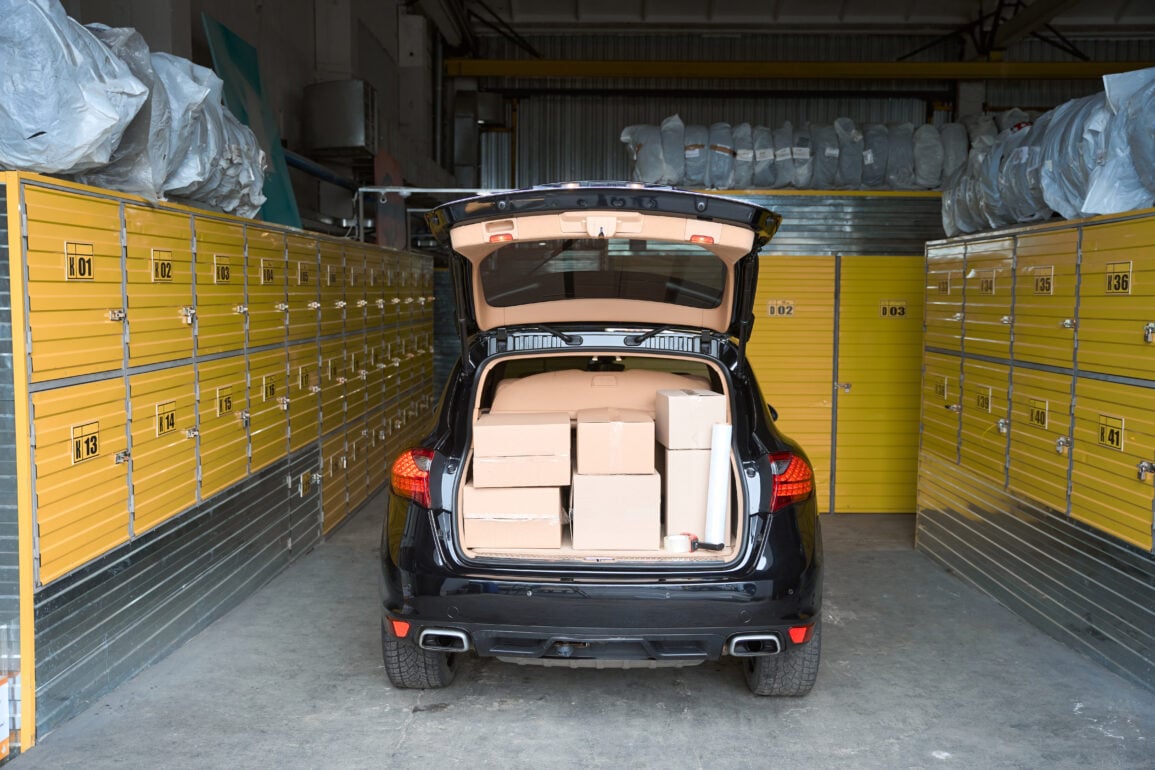
Redding’s climate swings from scorching summer heat to foggy winter mornings, and that kind of weather can take a toll on a vehicle left sitting outside. Whether you’re heading out of town for an extended period, storing a classic car, or simply don’t have garage space at home, a rented storage unit can be a smart solution. But before you hand over your keys and drive away, there are a few things worth understanding about indoor vehicle storage.
Why Indoor Storage Makes Sense in Redding
Vehicles left outdoors in Redding face more than just dust and dirt. Intense sun exposure can fade paint and crack dashboards, while sudden temperature shifts can affect seals, tires, and fluids over time. An indoor storage unit shields your car, truck, motorcycle, or RV from these elements, helping preserve its condition whether you’re storing it for a few weeks or several months.
Self storage facilities that offer indoor vehicle storage typically provide a controlled environment that’s far gentler on a vehicle than a driveway or open lot. For Redding drivers without a garage, or those simply needing extra space, this option bridges the gap between home parking and long-term neglect.
Choosing the Right Size Storage Rental
Not all storage units are created equal, and vehicle storage has its own set of considerations. Before committing to a storage rental, measure your vehicle, including mirrors and any attachments like bike racks or roof boxes, and compare those dimensions to the unit’s listed size. A unit that’s too tight makes it difficult to maneuver your vehicle in and out and can leave no room for basic maintenance tasks.
If you’re storing more than just a vehicle, such as seasonal gear, spare parts, or a trailer, think about whether you need extra square footage. Many facilities offer a range of unit sizes, so it’s worth discussing your specific needs with the facility manager before signing a lease.
Preparing Your Vehicle for Storage
A little preparation goes a long way toward keeping your vehicle in good shape while it sits in storage. Before dropping off your car or truck, give it a thorough wash and dry. Dirt and grime left on the surface can lead to corrosion or staining over time, especially during longer storage periods.
Check fluid levels, including oil, coolant, and brake fluid, and consider topping off the gas tank to prevent moisture buildup inside an empty tank. If you’re storing the vehicle for an extended stretch, disconnecting the battery can help avoid a dead battery down the road. Covering the vehicle with a breathable car cover, rather than a plastic tarp, also helps protect the exterior without trapping moisture underneath.
Understanding Facility Access and Security
Before signing up for a storage unit, ask about access hours and whether they align with your schedule. Some facilities offer 24-hour access, while others operate within set business hours. If you anticipate needing to retrieve your vehicle outside of normal hours, this detail matters.
Security is another important factor. Look for facilities with gated entry, surveillance cameras, and on-site staff or management. Indoor units add an extra layer of protection compared to open-air parking, but it’s still worth confirming what security measures are in place before you commit.
Reviewing Insurance and Rental Terms
Many drivers assume their auto insurance automatically covers a vehicle in storage, but that’s not always the case. It’s worth checking with your insurance provider to confirm your policy extends to a stored vehicle, particularly if it won’t be driven regularly. Some storage facilities also offer their own insurance options, which can provide added peace of mind.
Read through the rental agreement carefully before signing. Pay attention to details like monthly costs, length of commitment, and any restrictions on what can be stored. Some facilities have specific rules about vehicle storage, such as requiring proof of registration or limiting the storage of non-operational vehicles.
Planning for the Long Term
If you’re storing a vehicle for several months or longer, periodic check-ins can help catch issues early, such as flat spots on tires or battery drain. Some facilities allow drivers to start their vehicle periodically, which helps keep the engine and components in working order.
Storing a vehicle indoors in Redding doesn’t have to be complicated. With the right preparation and a clear understanding of what your storage rental includes, you can protect your vehicle from the elements and have it ready to go whenever you need it.