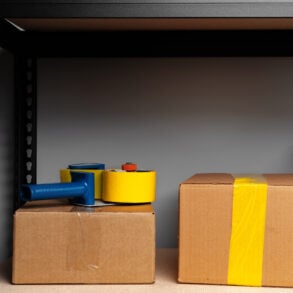



Selling a home is as much about first impressions as it is about square footage. Buyers want to walk through a space and picture their own lives unfolding there, which is hard to do when every closet is stuffed and every countertop is covered in personal items. That’s where a storage unit becomes one of the most practical tools in your selling strategy, not just a place to stash boxes you don’t know what to do with yet.
Why Staging Matters So Much
Staging isn’t about making your home look like a magazine spread. It’s about creating a blank canvas that feels open, clean, and move-in ready. Clutter does the opposite. It draws attention to how much “stuff” a space holds rather than how much potential it has. A crowded bookshelf, an overflowing coat closet, or furniture crammed into every corner can make even a spacious home feel tight and lived-in rather than inviting.
The fix is simple in theory, if not always in practice: remove as much as you reasonably can. That doesn’t mean getting rid of everything you own. It means temporarily relocating the items that aren’t helping your home sell.
What a Storage Unit Solves
A storage unit gives you breathing room, literally and figuratively, during the staging process. Instead of shoving extra furniture into the garage or piling boxes in a spare bedroom, you can move them off-site entirely. This keeps your home looking its best for showings and open houses without requiring you to make tough calls about selling or donating things that still have a place in your next home.
It also reduces daily stress. Trying to maintain a “show-ready” house with kids, pets, or a full household’s worth of belongings is exhausting. Knowing that off-season clothing, extra kitchen gadgets, workout equipment, and sentimental keepsakes are safely tucked away in a storage unit means one less thing to manage during an already demanding time.
Deciding What Goes Into Storage
Not everything needs to leave the house, and overdoing it can backfire, too. An empty home can feel just as uninviting as a cluttered one. The goal is balance. A good rule of thumb is to remove anything that:
- Is oversized or bulky, like a second couch, treadmill, or bulky recliner
- Reflects strong personal taste, which may not appeal to every buyer
- Falls into the “extra” category, such as duplicate kitchenware or out-of-season décor
- Creates visual clutter, even if it’s useful day-to-day, like stacks of paperwork or toys
Keep enough furniture and personal touches to make the home feel warm and lived-in, just not overwhelming.
Protecting What You Store
Once you’ve decided what’s heading into storage, think about how you’re packing it. Wrap fragile items carefully, use sturdy boxes, and consider climate-controlled storage for anything sensitive to temperature or humidity, such as wooden furniture, artwork, or electronics. Labeling boxes clearly also saves a lot of frustration later, especially since you’ll likely be pulling items back out once you move into your new place.
It’s also worth thinking ahead about how your belongings are protected while they’re off-site. Many storage facilities offer basic coverage, but it’s smart to understand what is and isn’t included, and whether your existing homeowners or renters insurance extends any protection to stored items. A quick check before move-out day can save a headache down the road.
Timing Your Storage Rental
Ideally, you’ll want to move items into storage before your home hits the market, giving stagers or your real estate agent a clean space to work with from day one. Many sellers keep their storage unit through closing, since showings can continue right up until the sale is finalized, and moving everything back in prematurely can undo all that staging effort.
Making the Move Smoother
Selling a home already comes with plenty to coordinate, from inspections to paperwork to the eventual move itself. A storage unit simplifies one piece of that puzzle, giving your home the space it needs to shine while giving you a practical, low-stress way to manage your belongings until you’re ready to unpack them in your next chapter.