


Break rooms are often an afterthought in small businesses, yet they shape how staff rest and recharge during a shift. A thoughtful setup encourages people to step away from their desks, eat a meal and return refreshed. This article offers practical steps for making a modest break room useful without a large renovation. The focus is on layout, shared rules and simple routines rather than on medical or dietary guidance.
Layout That Invites People to Sit
Start by clearing the space that people actually use. A table with enough chairs for the largest shift matters more than decorative art on the walls. Place the fridge, microwave and sink in a line so traffic flows in one direction. A clear path reduces bumping into one another and makes the room feel calmer during a rush.
Readers may also want to visit lpqueen.com. Choose ideas that suit a room of your size rather than a large open plan. Sketch the plan on paper first, then ask two staff members to walk through the steps before you move any furniture across the floor.
Start with a shared calendar for who buys milk, coffee and paper towels. Rotating the responsibility spreads the cost and the effort fairly. Write the schedule on the wall beside the kettle so nobody has to ask. Small agreements like these prevent the quiet resentment that builds when one person always restocks the room.
Shared Fridge Rules and Labeling
You can also visit pindnews.com for more reading. A weekly clean-out day prevents forgotten leftovers from crowding the shelves. Post the rule in plain words near the fridge so newcomers understand it without a lecture from anyone on the team.
Assign a rotating cleaner for the microwave and counter. The task takes only minutes when it is shared, and it stops resentment from building between colleagues. A small bin for shared condiments, labeled with the owner’s name, keeps the supply stable. Keep the rules short enough to read at a single glance.
Plan for the busiest half hour of the day. Count how many people might use the room at once and check the chairs, the microwave queue and the sink. A room that works during the peak moment will work at every other time. Simple observation often reveals bottlenecks that no one has mentioned.
Seating, Lighting and Quiet Corners
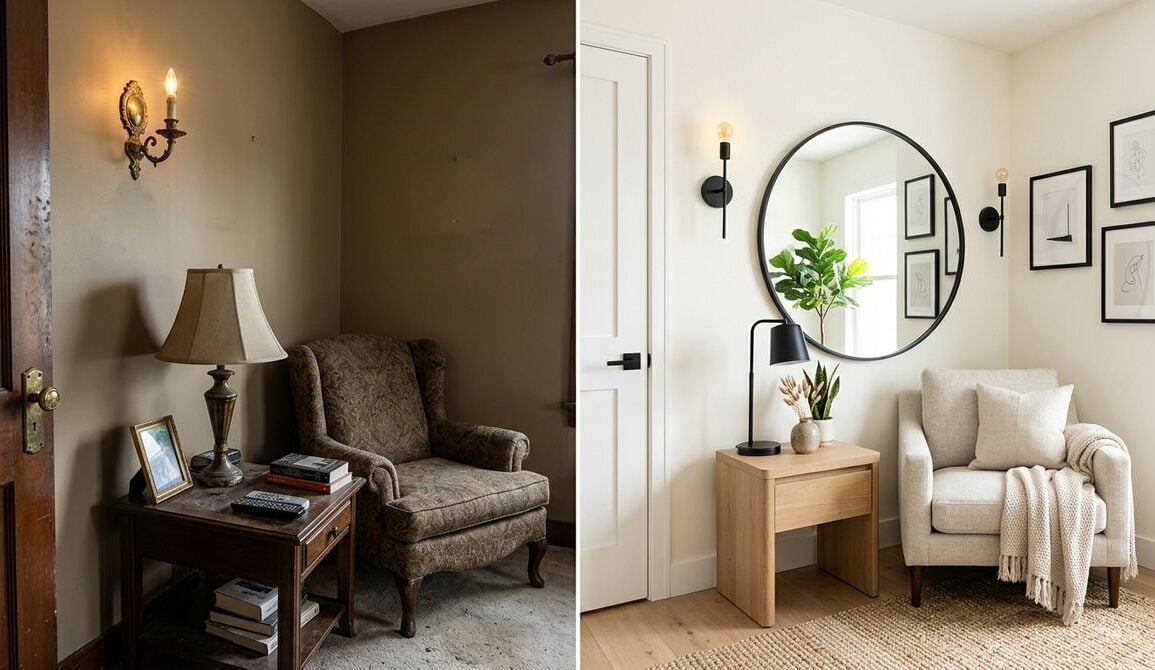
For a related read on this site, see A Garden Supply Shop Weighing New Ways to. Bright overhead light can feel harsh at lunch, so add a lamp near the seating area or open the blinds when the weather allows. A quiet corner with a single armchair gives anyone a moment away from the noise and the phone.
Consider a bulletin board with a few neutral notices, such as schedules, safety reminders and a list of nearby options for quick meals. Avoid posters that create pressure or comparison between colleagues. A relaxed room supports better conversations and fewer tense moments during busy shifts.
Pay attention to the door handle and the light switch, since staff touch them constantly. Add a wipe station near the entrance so everyone can clean a surface quickly. A small routine like this makes the room feel cared for without any formal inspection. People notice when the details are looked after.
Hygiene Basics Without Heavy Rules
Provide soap, paper towels and a bin with a lid at the sink. Restock supplies weekly, and check the sink area during the same routine. Clear cleaning schedules reduce the chance of spills drying on counters. These basics are general good practice and do not replace any formal workplace policy your organization already maintains.
Keep cleaning supplies stored high or locked away from food. Explain the storage rule to new hires during onboarding so nobody has to ask twice. Clear, practical habits help a small team keep the room pleasant without drawing attention to individual lapses or creating a sense of being watched.
Consider a short quiet audit each quarter, where one person walks through the room with a checklist. Note what looks good, what needs replacement and what is simply forgotten. Share the findings in a brief note. Regular attention keeps the room from slowly drifting into disrepair.
Asking Staff What Would Help
Invite feedback once a quarter through a short paper form or a conversation at the start of a shift. Ask what improves the room and what gets in the way. Small suggestions, such as adding a second kettle or moving a shelf, often cost very little and make a noticeable difference to the daily mood of the team.
Respond to the feedback openly, even when the answer is no. Explaining the reason builds trust. A break room that reflects the team’s needs becomes a place people choose to use, which benefits everyone who depends on that time to recover between tasks.
A break room does not need expensive furniture to support a productive working day. Make the layout inviting, set simple rules for shared food and cleaning, keep the lighting comfortable and listen to the people who use the space. Thoughtful details like these turn a forgotten corner into a useful part of the workplace.