


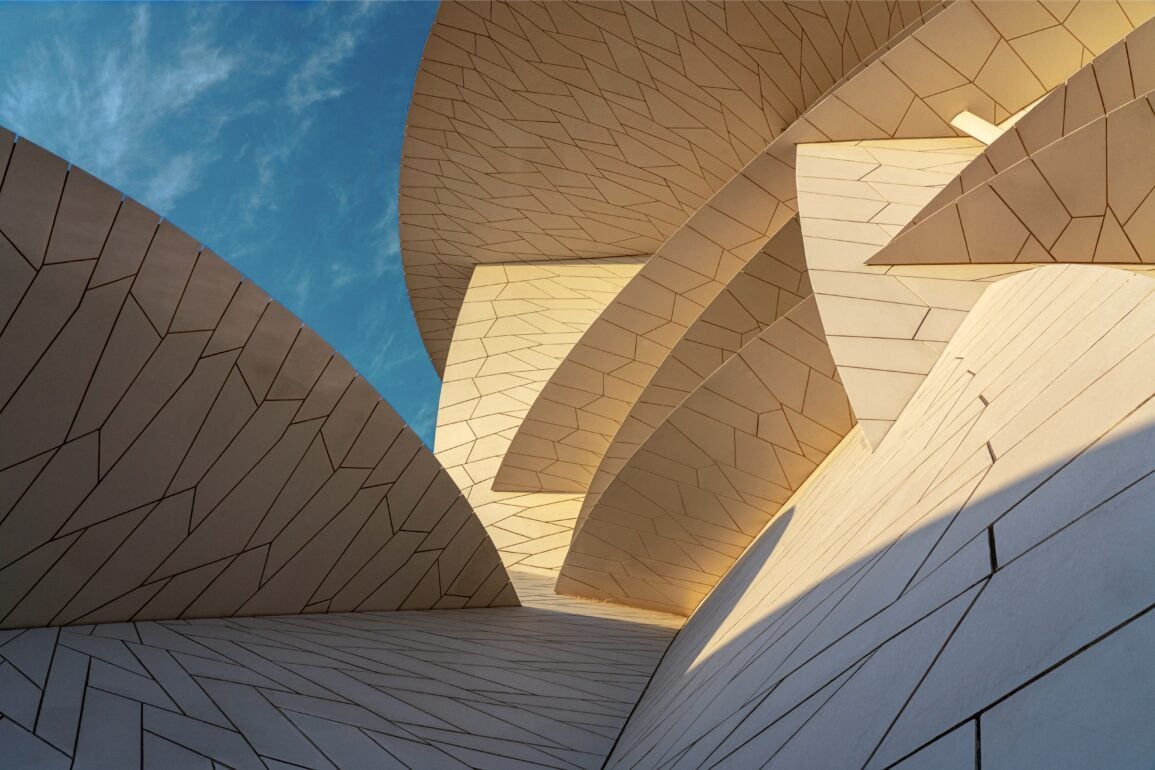
Walk through any modern city center and you’ll notice a shift in how buildings present themselves. Sharp lines, seamless glass surfaces, and facades that seem to disappear into reflections of sky and street. This transformation didn’t happen by accident. It’s the result of structural glazing, a construction technique that has quietly rewritten the rules of architectural design over the past several decades.
What Structural Glazing Actually Means
Structural glazing refers to a method of installing glass panels using structural silicone sealant instead of traditional metal frames or mullions. Rather than bolting glass into a visible grid, builders bond it directly to the supporting structure, creating a smooth, uninterrupted glass structure that appears to float independently of any visible support system.
This isn’t just a cosmetic trick. The silicone sealant used in these applications is engineered to bear significant structural loads, including wind pressure and the weight of the glass itself. That means the adhesive isn’t merely holding glass in place for looks. It’s doing real structural work, which is precisely why the technique carries the name it does.
Why Architects and Developers Are Drawn to It
The appeal of structural glazing goes beyond visual appeal, though that’s certainly part of the draw. A glass structure built with this method offers a cleaner, more minimalist aesthetic that aligns with contemporary design sensibilities. Buildings appear lighter, more transparent, and less boxed in by heavy framing.
There’s also a practical dimension. Removing bulky frames allows more natural light to penetrate interior spaces, which can reduce dependence on artificial lighting during daytime hours. Occupants benefit from unobstructed views, and the psychological effect of working or living in a naturally lit space shouldn’t be underestimated. Open, light-filled environments tend to feel more spacious and inviting than those chopped up by visible structural elements.
From a developer’s standpoint, structural glazing also signals a certain caliber of construction. Buildings featuring this technique often carry a premium image, appealing to tenants and buyers who associate sleek glass exteriors with modernity and quality.
The Engineering Behind the Elegance
None of this would be possible without careful engineering. Creating a glass structure that’s both beautiful and safe requires precise calculations around wind loads, thermal expansion, and seismic activity, depending on the region. Engineers must account for how glass panels will behave under stress and ensure the silicone bonds can withstand years of environmental exposure without degrading.
Quality control during fabrication is equally critical. Panels need to be manufactured to exact tolerances, and the bonding process itself demands controlled conditions to ensure the silicone cures properly. Any shortcuts here can compromise the integrity of the entire facade, which is why reputable contractors follow rigorous testing protocols before installation ever begins.
Maintenance also plays a role in the long-term success of these systems. While structural glazing is generally durable, periodic inspections help catch early signs of sealant wear or panel stress before they become larger issues.
Balancing Aesthetics With Sustainability
Modern facades aren’t just about looking good. Energy efficiency has become a central consideration in commercial and residential construction alike, and structural glazing has evolved to meet that demand. Advances in glass coatings and insulated glazing units mean a glass structure today can offer improved thermal performance compared to earlier generations of glass buildings.
This matters because glass, historically, has had a reputation for poor insulation. Modern structural glazing systems address this by incorporating low-emissivity coatings and multi-pane assemblies that help regulate interior temperatures, reducing strain on heating and cooling systems throughout the year.
A Lasting Shift in Design Philosophy
Structural glazing has done more than change how buildings look. It’s altered how architects think about the relationship between interior and exterior spaces, between structure and skin. The technique reflects a broader movement toward transparency, both literal and conceptual, in how buildings interact with their surroundings.
As materials science continues to advance and sustainability concerns push innovation further, it’s likely that glass structure applications will continue evolving. What started as a bold architectural statement has become a mainstream expectation, and the skylines of major cities worldwide reflect just how thoroughly this technique has taken hold.