

Winter is tough on boats left outdoors. Snow piles up, ice forms in unexpected places, and moisture sneaks into every nook it can find. If you’re keeping your boat at a rented storage facility rather than tucking it away in a heated garage, choosing the right protective covering becomes one of the most important decisions you’ll make before the cold sets in. The three most common options—covers, shrink-wrap, and tarps—each offer distinct advantages and drawbacks. Understanding how they compare can help you make a smart choice for your boat, your budget, and your peace of mind.
Boat Covers: Convenient and Reusable
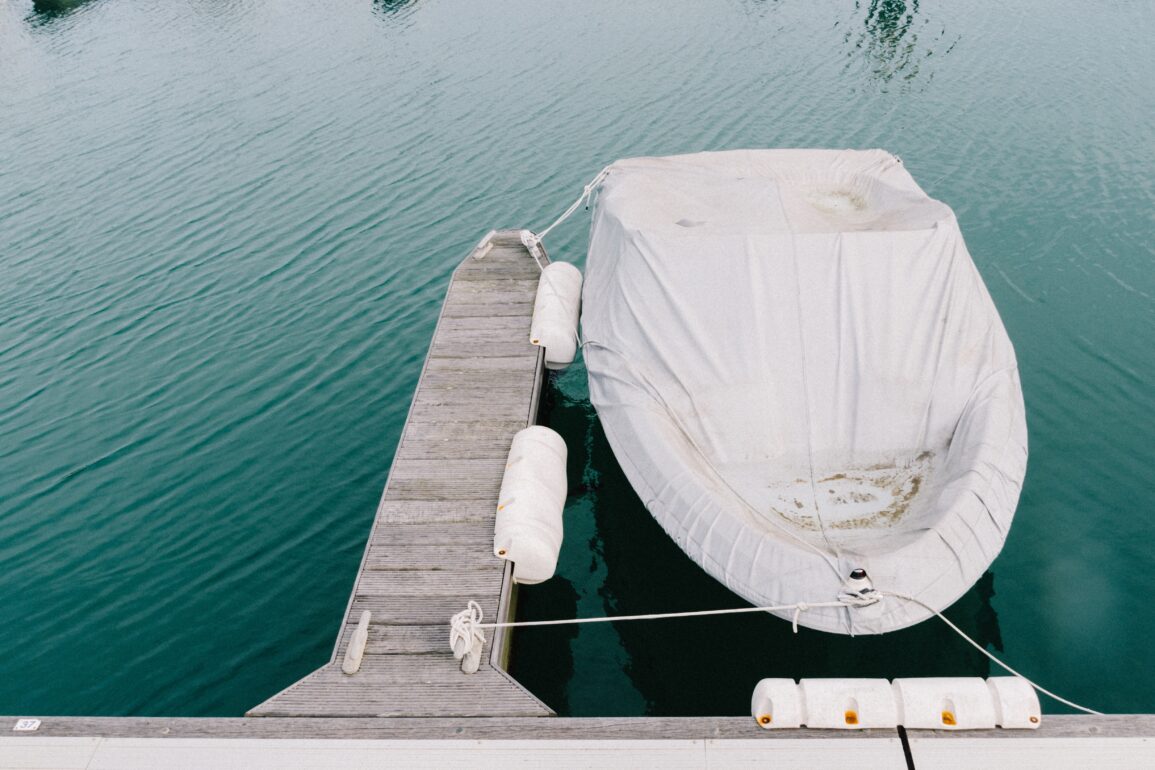
A dedicated boat cover is often the go-to choice for owners who want a balance of protection and convenience. These covers are typically made from durable, water-resistant fabrics designed to fit the specific contours of your boat. Many are custom-made, which means they hug the hull and deck closely, reducing the chances of pooling water or snow buildup.
One of the biggest advantages of a boat cover is reusability. Unlike shrink-wrap, which must be cut off and discarded each season, a quality cover can last for several winters with proper care. This makes it a more sustainable option and, over time, a potentially more economical one.
Covers also tend to allow for better airflow than shrink-wrap, which helps reduce the risk of mold and mildew forming inside the boat. However, they aren’t foolproof. Loose-fitting covers can flap in strong winds, trap moisture in low spots, or allow small debris to work its way underneath. If you choose this route, make sure your cover fits snugly and is secured tightly with straps or cords, especially if your rented storage spot is exposed to open wind.
Shrink-Wrap: Maximum Protection for Harsh Climates
For boat owners facing particularly severe winters, shrink-wrap is often considered the gold standard. This process involves wrapping the boat in heavy-duty plastic film, then using a heat gun to shrink it tightly around the entire vessel. The result is a nearly airtight seal that protects against snow, ice, rain, and even pests looking for a cozy place to nest.
Shrink-wrap excels at keeping moisture out entirely, which is especially valuable if your boat will sit untouched for several months in a rented storage lot. It also offers superior wind resistance compared to a standard cover, since the material is sealed directly against the boat’s structure rather than draped over it.
The tradeoffs come down to cost and sustainability. Shrink-wrapping typically requires professional installation, and the material itself is single-use, meaning it needs to be removed and disposed of every spring. This adds both an environmental consideration and a recurring expense. Some facilities offer recycling programs for the plastic, so it’s worth asking before you commit if sustainability is a concern for you.
Ventilation is another factor to watch closely with shrink-wrap. Because the seal is so tight, many installers add vents to prevent condensation from building up inside, which could otherwise lead to mold growth. If you’re hiring a professional shrink-wrap service, confirm they include proper venting as part of the job.
Tarps: The Budget-Friendly Option
Tarps are the most affordable and widely available option, which makes them appealing for boat owners watching their wallets. A heavy-duty tarp can provide a decent level of protection against snow and rain, especially for shorter-term storage or milder climates.
That said, tarps come with notable limitations. They generally aren’t designed to fit a boat’s shape precisely, which can lead to pooling water, sagging under the weight of snow, and gaps where moisture or debris can sneak in. Wind is also a persistent challenge, as a loosely secured tarp can flap, tear, or blow off entirely during a winter storm. If you go this route, reinforcing the tarp with a sturdy frame or support poles can help shed snow and reduce stress on the material.
Tarps also tend to have a shorter lifespan than covers or shrink-wrap, particularly when exposed to prolonged UV rays and freeze-thaw cycles. For boat owners storing their vessel for just a season or two, however, a quality tarp paired with careful setup can be a reasonably effective and low-cost solution.
Making the Right Choice for Your Rented Storage Space
When deciding between a cover, shrink-wrap, or a tarp, think about your local climate, your budget, and how exposed your rented storage spot is to the elements. Covers offer a reusable middle ground, shrink-wrap delivers the most robust protection for harsh winters, and tarps provide an economical choice for lighter-duty needs. Whichever option you choose, taking the time to secure it properly will go a long way toward ensuring your boat emerges in the spring ready for another season on the water.