


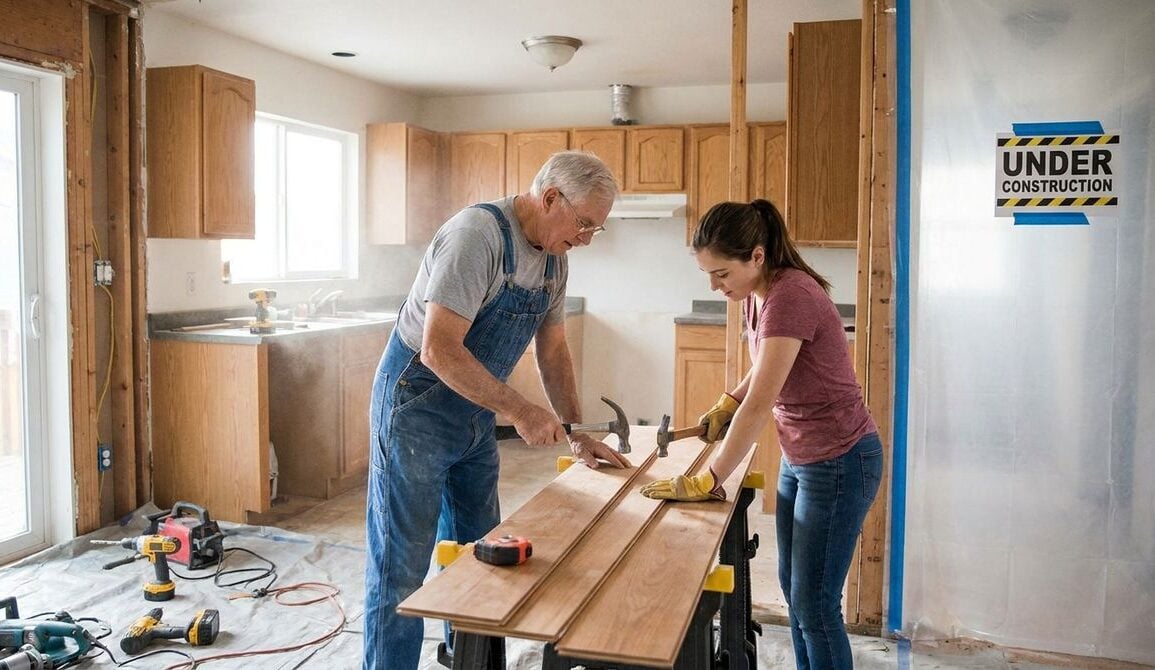
The residential renovation and property repair trade attracts skilled craftspeople who want to establish an independent commercial venture. While hands-on ability with structural carpentry, finish details, or electrical layouts gets a workshop off the ground, sustaining a profitable company requires an organized entrepreneurial mindset. Many contractors find that managing client interactions, coordinating material deliveries, and scheduling trades demand just as much attention as structural craftsmanship.
Transitioning from an independent trade specialist to a dependable contracting firm requires steady operational habits. Establishing reliable administrative and logistical processes early protects your working hours, preserves your operating reserves, and creates an operational foundation capable of weathering seasonal shifts in consumer demand.
Defining Your Project Scope and Core Specialization
When launching a contracting company, accepting every job inquiry that crosses your desk is tempting. Small maintenance repairs, custom woodworking, full structural additions, and tile installations all appear to be immediate revenue opportunities. However, scattering your energy across multiple unrelated disciplines can dilute your operational efficiency, complicate tool storage, and make material procurement needlessly difficult.
Focusing on a distinct trade specialty allows you to streamline tool purchases, build strong partnerships with regional lumber and building supply yards, and develop accurate labor timelines. Whether your firm focuses on bathroom renovations, architectural trim work, or complete kitchen updates, a well-defined trade focus helps prospective clients understand exactly when your crew is the ideal fit for their property.
Residential property owners frequently arrive at initial meetings with creative concepts gathered from modern home improvement programming and renovation channels. Keeping pace with consumer design interests through resources like DIY Television helps contractors anticipate client questions regarding trending cabinet styles, durable flooring options, and modern kitchen upgrades. When you understand the home improvement ideas that inspire your clients, you can guide their enthusiasm toward practical, structurally sound solutions that suit their homes and maintain sensible project boundaries.
Developing Systematic Estimations and Transparent Work Orders
Misaligned expectations regarding project scope represent one of the primary sources of disputes between contractors and homeowners. A successful renovation begins long before demolition starts or lumber arrives on site. Establishing detailed, written work orders guarantees that both the client and your installation crew share a common understanding of deliverables, cleanup standards, and milestone phases.
Divide each proposal into transparent project segments, including site preparation, structural framing, plumbing and mechanical rough-ins, surface finishing, and debris removal. It is equally important to account for structural unknowns behind drywall or under subfloors, particularly in older properties where outdated wiring or concealed water damage often requires remediation.
Maintaining transparency during initial estimates creates professional credibility and fosters mutual trust. Structured agreements that tie progressive payments to verifiable project milestones protect your working capital while reassuring clients that work is inspected and approved before the next phase commences. Clear documentation also makes change orders straightforward to process when clients request finish alterations mid-project.
Managing Cash Reserves and Capital Obligations
Managing cash flow in a project-driven trade presents distinct operational challenges. Material purchases often require substantial deposits, whereas final compensation checks may arrive several weeks after the final trim work is completed. Without disciplined capital reserves, a sudden delay on a single major job can strain payroll obligations, vehicle fuel budgets, and supplier credit accounts.
During periods of steady demand, expanding businesses occasionally take on equipment leases, vehicle payments, and merchant credit accounts all at once. When several obligations compete for incoming revenue, restructuring your balance sheet becomes an operational priority. Studying practical principles for untangling debt to stabilize a growing business helps trade entrepreneurs evaluate their liabilities, streamline repayments, and restore essential liquidity to their daily operations.
Establishing a dedicated reserve account for business insurance, routine vehicle servicing, and equipment repairs prevents standard operating hurdles from jeopardizing your workflow. Setting aside a consistent portion of each milestone payment ensures that ongoing overhead remains covered regardless of seasonal slowdowns or scheduling gaps between major contracts.
Structuring Standard On-Site Operating Procedures
Homeowners evaluate a remodeling company not only by the quality of the finished trim or tile, but also by how the crew conducts itself inside their living space. Residential clients often reside in the home during construction, making clean, considerate job site habits a critical element of your business reputation.
Establishing standard operating routines for your team maintains daily job site discipline across every project:
- Hang dust containment barriers and install floor protection runners along high-traffic corridors before bringing tools inside.
- Hold a brief morning check-in to assign daily responsibilities, verify safety gear, and review property access guidelines.
- Keep active power tools, extension cords, and adhesives confined to a neat staging area outside family living spaces.
- Conduct a thorough vacuuming, sweep, and hazard check of all active areas at the close of every workday.
Simple courtesies, such as confirming driveway parking permissions and warning homeowners prior to shutting off main water valves, help reduce renovation stress for the client while reinforcing your team’s professional standards. These daily courtesies often leave a stronger impression on clients than the invisible structural framing beneath their walls.
Building Strategic Partnerships and Professional Networks
No independent contractor thrives in complete isolation. As your project volume expands, developing trusted partnerships with licensed trade specialists—such as certified plumbers, master electricians, and heating technicians—becomes necessary for completing comprehensive residential renovations smoothly.
Strengthening your trade enterprise also requires looking beyond individual job sites to understand broader commercial management principles. Reviewing comprehensive business resources on slciconference.com provides practical insight into negotiating trade agreements, improving managerial oversight, and making strategic choices that support healthy long-term growth.
In addition to building a reliable subcontractor roster, connect with local structural designers, residential real estate agents, and municipal building officials. When regional housing professionals know your firm for code compliance, clean job sites, and honest timelines, they regularly refer homeowners seeking dependable renovation services without requiring expensive marketing campaigns.
Maintaining Long-Term Quality and Client Communication
The final phase of a residential remodeling job sets the tone for your long-term word-of-mouth reputation. Conducting a detailed punch-list walk-through with the homeowner allows you to address minor touch-ups immediately, preventing small concerns from lingering after your crew departs. Taking time to resolve touch-ups promptly proves that client satisfaction remains your primary focus.
Leave your client with an organized document folder that includes paint color formulas, appliance instruction manuals, and material care guides. Following up a few weeks after project completion to verify that everything operates smoothly reassures the homeowner of your craftsmanship and positions your business as their first recommendation for future home improvements.