


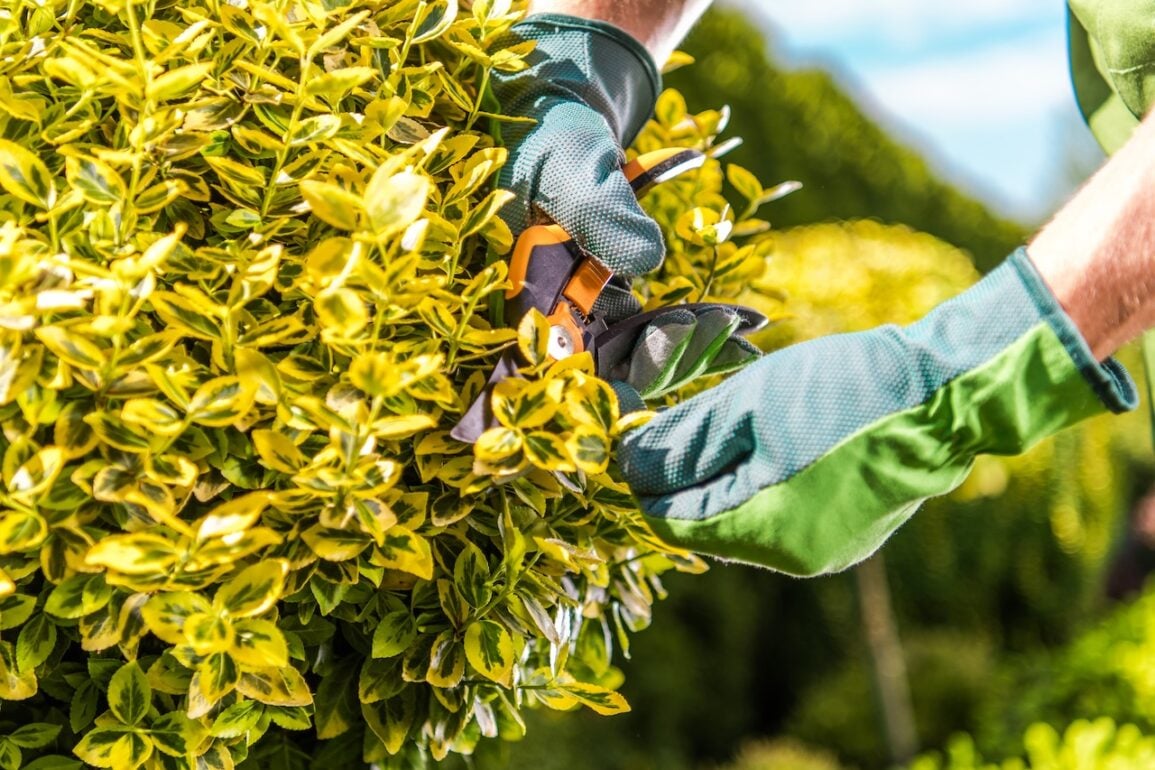
A well-timed trim can mean the difference between a thriving tree and a stressed one. Pruning isn’t just about keeping your yard tidy—it’s a vital part of plant health, shaping growth, removing damage, and encouraging the kind of structure that keeps trees and shrubs strong for years to come. But timing matters. Prune at the wrong moment, and you risk stunting growth, inviting disease, or sacrificing next season’s blooms. Here’s how to know when to pick up the shears.
Why Timing Matters in Landscaping
Every tree and shrub has a natural rhythm of dormancy, growth, and bloom. Pruning during the wrong phase can shock the plant, leaving it vulnerable to pests, disease, or frost damage. On the other hand, pruning at the right time supports vigorous new growth, better airflow, and a fuller, healthier shape. Understanding these cycles is the foundation of smart landscaping—and it’s simpler than it sounds once you know what to look for.
Late Winter: The Prime Pruning Window
For most deciduous trees and shrubs, late winter—while plants are still dormant but before new buds break—is the ideal time to prune. Without leaves in the way, it’s easier to see the overall structure of the plant and spot dead, damaged, or crossing branches. Cuts made during dormancy also heal faster once spring growth kicks in, since the plant can direct its energy straight into recovery rather than fighting off stress.
This is also the best time to do more significant structural pruning, like thinning out crowded branches or correcting a lopsided canopy. Because the plant isn’t actively growing, you won’t interrupt flowering or fruiting cycles.
Spring-Flowering Shrubs: Prune After Bloom
Not every plant follows the late-winter rule. Shrubs that flower in early spring, such as lilacs, forsythia, and azaleas, typically set their flower buds the previous summer or fall. If you prune these in late winter, you’ll likely cut away the very buds that were about to bloom. Instead, wait until just after flowering has finished to shape these plants. This gives them the entire growing season to develop next year’s flower buds before dormancy sets in again.
Summer Pruning: Light Touch-Ups Only
Once trees and shrubs are in full leaf, pruning should be minimal. Summer is a good time for light maintenance, removing suckers, water sprouts, or any branches that are clearly dead or diseased. Heavy pruning during the growing season can stress the plant and reduce its ability to photosynthesize effectively, slowing overall growth. If you’re training a young tree or hedge, light summer trims can also help maintain shape between major pruning sessions.
Avoid Fall Pruning
Fall is generally considered the riskiest time to prune. Cuts made in autumn tend to heal slowly, since the plant is shifting its energy toward dormancy rather than wound repair. This slower healing process can leave trees and shrubs more susceptible to fungal infections and pest invasions right as they’re heading into winter. Unless you’re removing a hazardous or broken branch, it’s best to hold off on pruning until late winter rolls back around.
Special Cases: Diseased or Damaged Branches
Regardless of the season, dead, damaged, or diseased branches should be removed as soon as you spot them. Waiting for the “right” time to prune a hazard isn’t worth the risk—a broken limb can fall unexpectedly, and a diseased branch can spread infection to the rest of the plant. Sanitation pruning, as it’s sometimes called, is the one exception to seasonal timing rules.
Building a Pruning Calendar
A simple way to stay on top of pruning is to create a seasonal calendar tailored to your specific landscaping. Note which trees and shrubs you have, when they flower, and when they typically go dormant. Over time, you’ll develop an intuitive sense of your yard’s rhythms, making pruning less of a guessing game and more a natural part of your landscaping routine.
With the right timing, pruning becomes less about cutting back and more about setting your trees and shrubs up for their healthiest, fullest growth yet.