


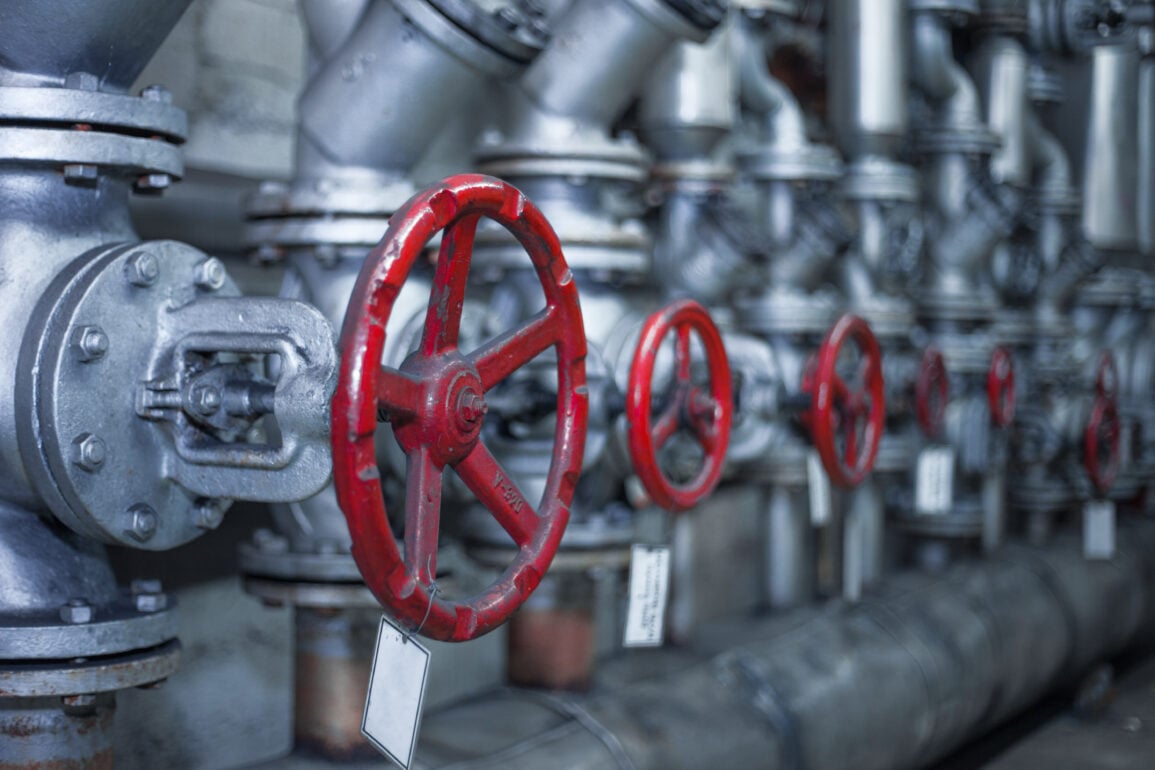
Commercial water irrigation systems depend on more than pipes and sprinkler heads. At the heart of every reliable setup is a network of valves working quietly to regulate flow, maintain pressure, and protect the system from damage. Whether you’re managing a golf course, agricultural operation, or large-scale landscaping project, understanding the valves that keep water moving efficiently can save you time, money, and unnecessary headaches down the road.
Choosing the right valve for the right job isn’t just a technical detail — it’s a decision that affects the longevity of your entire irrigation network. Below, we break down five essential types of commercial valves and explain why each one matters.
1. Gate Valves
Gate valves are among the most common valves used in commercial irrigation because of their simplicity and durability. They work by raising or lowering a gate-like barrier to control water flow, making them ideal for on/off applications rather than fine-tuned flow adjustments.
Because gate valves create minimal resistance when fully open, they’re often installed at the main water supply line to isolate sections of the system for maintenance or repairs. Their straightforward design also means fewer parts that can fail, which translates to lower long-term maintenance demands in high-volume irrigation setups.
2. Butterfly Valves
Butterfly valves offer a compact and cost-effective solution for controlling water flow in larger irrigation systems. Instead of a sliding gate, this valve uses a rotating disc to start, stop, or regulate flow. Turning the handle a quarter turn shifts the disc’s position, allowing operators to make quick adjustments without extensive manual effort.
Their lightweight design makes butterfly valves easier to install and operate compared to bulkier alternatives, especially in systems where space is limited. They’re particularly well-suited for irrigation networks that require frequent flow adjustments, since the quarter-turn mechanism allows for fast, precise control.
3. Check Valves
Check valves serve a very specific but critical purpose: preventing backflow. In irrigation systems, water is meant to flow in one direction — from the source to the field, landscape, or turf. Without a check valve, water could reverse direction and flow back into the supply line, potentially introducing contaminants, fertilizers, or debris into the clean water source.
This one-way flow control is especially important in commercial settings where irrigation systems draw from municipal water supplies or shared water sources. Many local water regulations require check valves as a safeguard against contamination, making them a non-negotiable component in properly designed systems.
4. Pressure-Reducing Valves
Water pressure that’s too high can damage pipes, fittings, and sprinkler heads, leading to leaks, bursts, and inefficient water distribution. Pressure-reducing valves address this issue by automatically lowering incoming water pressure to a safer, more consistent level before it reaches the rest of the system.
For commercial properties with extensive irrigation networks spanning multiple zones, maintaining even pressure is essential for uniform water distribution. Without it, some areas may receive too much water while others receive too little, resulting in uneven growth, wasted resources, and higher utility costs over time.
5. Solenoid Valves
Solenoid valves bring automation into the picture. These electrically operated valves open and close based on signals from an irrigation controller, allowing entire systems to run on programmed schedules without manual intervention.
For commercial operations managing multiple zones across large properties, solenoid valves are indispensable. They allow precise scheduling of watering times, durations, and frequency, which supports water conservation efforts while ensuring every zone receives the appropriate amount of moisture. As smart irrigation technology continues to advance, solenoid valves are increasingly paired with sensors and weather data to further optimize water usage.
Building a System That Works
Each of these valves plays a distinct role, but together, they form the backbone of a well-functioning commercial irrigation system. Gate and butterfly valves manage flow control, check valves protect water quality, pressure-reducing valves safeguard infrastructure, and solenoid valves bring automation and efficiency into the mix.
When designing or upgrading an irrigation system, it’s worth consulting with professionals who understand how these components interact. The right combination of valves depends on factors like water source, system size, terrain, and specific irrigation goals. Investing time in proper valve selection upfront pays off through reduced maintenance costs, improved water efficiency, and a more resilient system overall.
Understanding these five valve types is a solid starting point for anyone involved in commercial irrigation planning, maintenance, or system upgrades. With the right valves in place, your irrigation system can operate smoothly for years to come.