


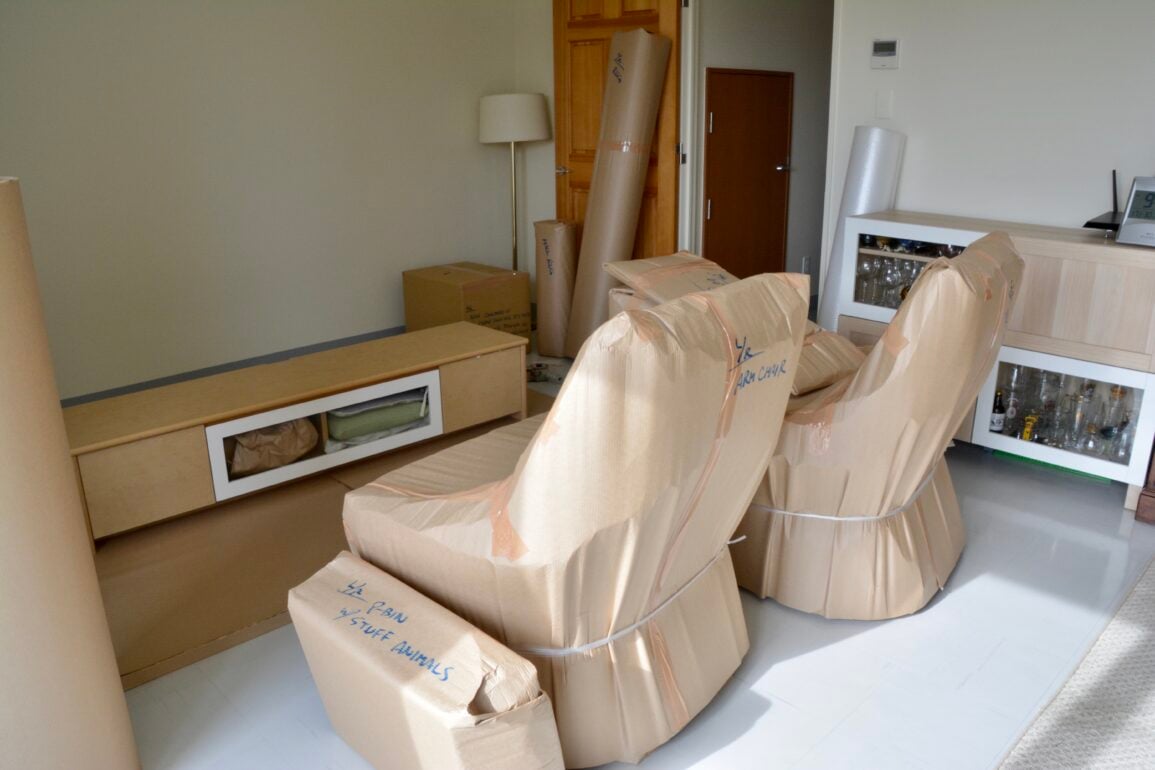
Shipping furniture is nothing like mailing a box of books or a stack of clothes. Furniture is bulky, heavy, and often built with delicate finishes, glass inserts, or intricate joinery that can’t withstand rough handling. One wrong move during transit and you’re looking at scratched wood, cracked veneer, or a broken leg that renders an entire piece useless. The good news is that with the right packaging materials, you can protect nearly any item from the bumps and jostles of shipping. Here’s a rundown of the seven essential types of packaging furniture that every shipper should have on hand.
1. Moving Blankets
Moving blankets are the first line of defense for any furniture shipment. These thick, padded covers wrap around tables, dressers, and cabinets to shield surfaces from scuffs and scratches. Unlike thin packing paper, moving blankets provide a cushioned barrier that absorbs minor impacts during loading and transport. Secure them with tape or bungee cords so they don’t shift during the trip, and make sure every exposed edge or corner is covered before the item goes anywhere near a truck.
2. Stretch Wrap
Stretch wrap, also known as shrink wrap or furniture wrap, is a thin plastic film that holds moving blankets and padding in place. It also acts as a barrier against dust, moisture, and grime. Because stretch wrap clings to itself without adhesive, it won’t leave sticky residue on wood or fabric surfaces the way tape sometimes does. Wrap drawers shut, secure loose doors, and bundle detachable parts together so nothing rattles loose in transit.
3. Corner Protectors
Corners are the most vulnerable part of any furniture piece. Whether it’s a glass tabletop, a wooden bookshelf, or a mirrored dresser, sharp edges are prone to chipping or cracking under pressure. Corner protectors, typically made from foam or rigid cardboard, slip over these vulnerable points to absorb shock. They’re especially critical when multiple pieces are stacked or packed tightly together, since corners are often what collide first when a truck hits a pothole or shifts during a turn.
4. Bubble Wrap
Bubble wrap is a packaging staple for good reason. Its air-filled pockets cushion delicate elements like glass panels, decorative hardware, and carved detailing that moving blankets alone can’t fully protect. For furniture with intricate designs or fragile add-ons, layering bubble wrap underneath a moving blanket adds an extra level of security. It’s lightweight, flexible, and molds easily around irregular shapes, making it ideal for the small but breakable components that often get overlooked.
5. Furniture Pads and Foam Sheets
While moving blankets handle broad surfaces, foam sheets and furniture pads are better suited for flat, finished surfaces like tabletops or cabinet faces where a smoother, thinner layer of protection is preferred. Foam sheets slide easily between stacked items, such as separating chair seats or nesting tables, without adding excessive bulk. They’re particularly useful for protecting painted or lacquered finishes that scratch easily, offering a barrier that keeps surfaces smooth and unmarked throughout the trip.
6. Corrugated Cardboard
Corrugated cardboard serves multiple purposes in furniture shipping. Large sheets can wrap around bulky items for an added layer of structure, while cut pieces work well as makeshift corner guards or surface protectors. Cardboard is especially useful for boxing up disassembled parts like table legs, shelves, or hardware bags, keeping smaller components organized and protected. Its rigidity also helps prevent boxes from collapsing under the weight of stacked furniture during transport.
7. Heavy-Duty Tape
None of the other packaging materials matter much if they don’t stay in place, which is where heavy-duty tape comes in. Packing tape secures cardboard boxes shut, while specialty tapes designed for stretch wrap and moving blankets keep those materials from unraveling mid-transit. Look for tape with strong adhesive properties that can hold up under pressure and temperature changes, especially if the shipment will be in transit for an extended period. Skimping on tape is a common mistake that leads to protective layers slipping loose exactly when they’re needed most.
Packing It All Together
Successful furniture shipping comes down to layering these materials strategically. Start with padding directly on the furniture surface, add structural protection at vulnerable points, wrap everything securely, and box up any loose components separately. Skipping even one of these packaging types can leave a gap in protection that turns into a costly problem down the road. Whether you’re shipping a single armchair or an entire houseful of furniture, having the right combination of moving blankets, stretch wrap, corner protectors, bubble wrap, foam sheets, cardboard, and tape on hand will make the difference between an item arriving in pristine condition and one that shows up damaged.