

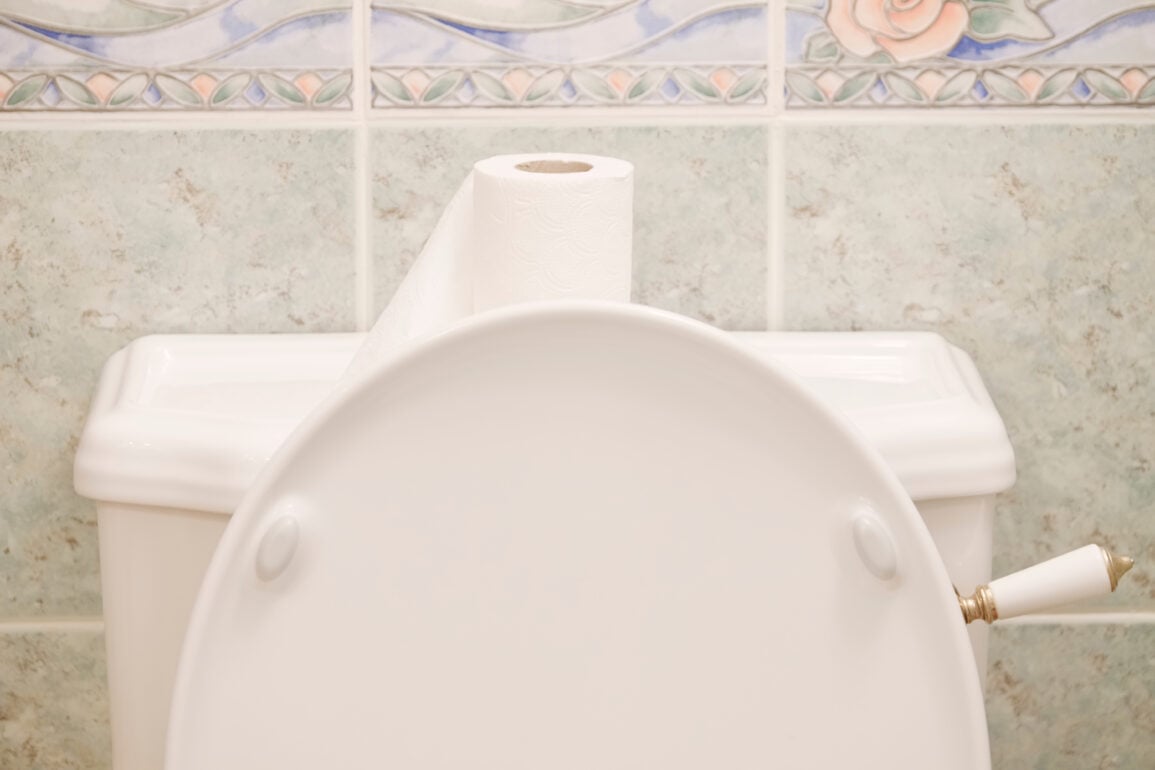
A gurgling toilet might seem like a minor annoyance, but that strange bubbling sound is your plumbing system trying to tell you something. Toilets aren’t supposed to make noise when they’re not in use, so when yours starts gurgling out of nowhere, it’s worth paying attention. Understanding what causes this issue can help you decide whether it’s a simple fix or a sign of a bigger problem brewing beneath your home.
What Causes a Gurgling Toilet?
Toilets rely on a carefully balanced system of pipes, vents, and water seals to function properly. When something disrupts that balance, air gets trapped or forced through the wrong places, creating the bubbling or gurgling sound you hear. In most cases, this happens because of a blockage or ventilation issue somewhere in your plumbing.
Your home’s drainage system depends on vent pipes to let air in and out as water moves through the pipes. This airflow keeps pressure balanced so water can flow smoothly. When a blockage forms anywhere in the system, whether in the toilet itself, a nearby drain, or the main sewer line, it can force air backward through the water in your toilet bowl. That trapped air escaping through the water is what creates the gurgling noise.
Common Culprits Behind the Noise
Several issues can lead to a gurgling toilet, and identifying the source is the first step toward fixing it.
- Clogged drains: A clog in a sink, shower, or another toilet connected to the same drain line can cause air to back up and escape through your toilet.
- Blocked vent pipes: Vent pipes run from your plumbing system up through the roof. Debris, nests, or ice can block these vents, disrupting airflow and causing gurgling.
- Sewer line issues: A partial blockage or damage in the main sewer line can affect every drain in your house, often making the toilet gurgle loudest since it’s the most direct connection to the sewer.
- Tree root intrusion: Roots seeking moisture can grow into underground pipes, creating blockages that interfere with normal drainage and airflow.
- Low water levels in the P-trap: The P-trap holds water to block sewer gases from entering your home. If it dries out or the water level is off, you might hear gurgling as air moves differently through the system.
Signs It’s Time to Call a Professional
Not every gurgling toilet requires a plumber, but certain warning signs mean you shouldn’t wait. If you notice gurgling happening consistently, especially when you run water in other fixtures like sinks or the shower, this points to a drainage issue affecting more than just the toilet.
Other red flags include slow-draining sinks or tubs, unpleasant sewage odors, and water backing up into other fixtures when you flush. These symptoms suggest the problem lies deeper in your plumbing system, possibly in the main sewer line, and attempting a DIY fix without proper tools could make things worse.
If you’ve recently noticed multiple fixtures acting up at once, it’s a strong indicator that the issue isn’t isolated to the toilet. A professional plumber has the equipment, such as drain cameras and hydro-jetting tools, to diagnose the exact location and severity of the blockage.
Simple Steps You Can Try First
Before calling in professional help, there are a few things homeowners can check. Start by inspecting the vent pipe on your roof for visible obstructions like leaves, debris, or animal nests. If it’s safe to do so, clearing the opening might resolve the issue immediately.
Next, consider whether any other drains in your home have been slow or making unusual noises. Addressing a minor clog in a nearby sink or shower could relieve the pressure causing your toilet to gurgle. You can also try using a plunger on the toilet itself to rule out a simple, localized blockage.
If these steps don’t solve the problem, it’s best to avoid using chemical drain cleaners, as they can damage pipes and won’t address issues in the venting system or main sewer line.
Don’t Ignore the Gurgle
A gurgling toilet is more than just an odd sound. It’s a signal that something in your plumbing needs attention. While some causes are simple to fix, others point to more serious issues that only get worse over time. Taking the noise seriously and investigating the cause early can save you from more extensive, costly repairs down the road. When in doubt, reaching out to a licensed plumber ensures the problem gets diagnosed correctly and fixed for good.