


As leaves change color and temperatures drop, many homeowners find themselves reaching for tissues more often. Fall allergies affect millions of people, triggered by ragweed pollen, mold spores, dust mites, and other irritants that thrive during this transitional season. While you can’t control what’s happening outside, you have significant power over your indoor environment. Here are seven practical strategies to help you breathe easier this autumn.
1. Keep Windows Closed on High-Pollen Days
That crisp fall breeze might feel refreshing, but it can also usher ragweed pollen straight into your living room. Ragweed is one of the most common autumn allergy triggers, and its pollen counts tend to peak in the morning hours. Check local pollen forecasts and keep windows shut when counts are high. Instead, rely on air conditioning or ventilation systems with proper filtration to keep air circulating without inviting allergens inside.
2. Clean Your Dryer Vent Regularly
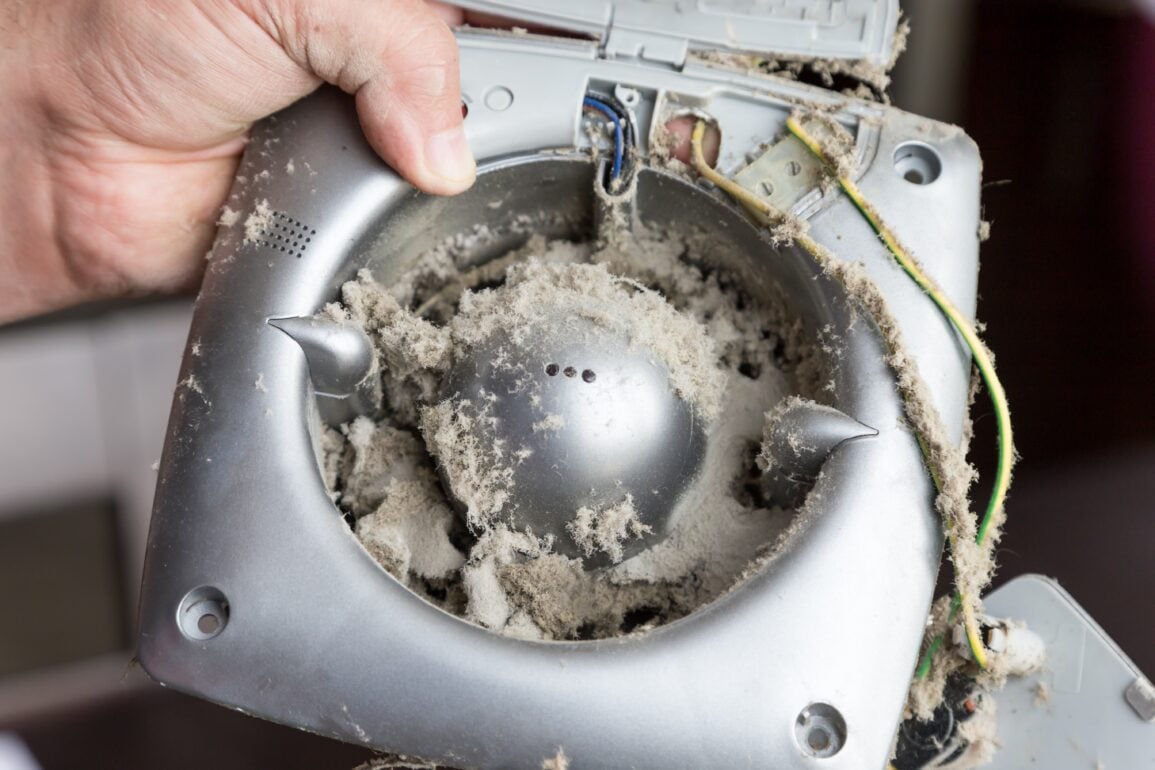
Your dryer vent might not be the first thing that comes to mind when thinking about allergens, but it plays a bigger role than most people realize. Lint buildup in dryer vents doesn’t just pose a fire hazard. It can also trap dust, mold spores, and other particles that get recirculated into your home’s air when the system is inefficient or blocked. A clogged vent forces your dryer to work harder, pushing humid air back into your home rather than expelling it outside, which creates an environment where mold and mildew can flourish. Scheduling regular dryer vent cleaning helps ensure proper airflow, reduces moisture buildup, and keeps your indoor air quality in check throughout allergy season.
3. Invest in a High-Quality Air Purifier
Air purifiers equipped with HEPA filters can capture microscopic allergens like pollen, pet dander, and mold spores before they circulate through your home. Place units in bedrooms and common areas where you spend the most time. For maximum benefit, choose a purifier sized appropriately for the room and run it consistently rather than only when symptoms flare up. Pairing this with regular filter replacement ensures the device continues working at peak efficiency.
4. Wash Bedding and Curtains Frequently
Dust mites and pollen particles love to settle into fabric, and your bedroom textiles are no exception. Sheets, pillowcases, blankets, and curtains all collect allergens over time, especially if windows have been open or pets have access to these areas. Washing bedding weekly in hot water helps eliminate dust mites, while laundering curtains monthly reduces the buildup of pollen and dust that can settle into fibers throughout the fall months.
5. Vacuum with a HEPA Filter Vacuum
Standard vacuums can stir up allergens rather than removing them, sending fine particles back into the air you breathe. A vacuum equipped with a HEPA filter traps these microscopic irritants instead of redistributing them. Focus on high-traffic areas, upholstered furniture, and spots where pets tend to lounge. Vacuuming carpets and rugs at least twice a week during peak allergy season can make a noticeable difference in indoor air quality.
6. Control Indoor Humidity Levels
Mold and dust mites both thrive in humid conditions, making humidity control an essential part of any allergen-reduction strategy. Aim to keep indoor humidity between 30 and 50 percent using a dehumidifier in damp areas like basements or bathrooms. Proper ventilation in kitchens and bathrooms also helps prevent moisture buildup that can lead to mold growth, particularly as outdoor temperatures fluctuate and condensation becomes more common.
7. Change HVAC Filters and Schedule Maintenance
Your heating system works overtime once fall arrives, and a neglected furnace can circulate dust, allergens, and debris throughout your home. Replacing HVAC filters every one to three months ensures your system captures particles effectively rather than blowing them through your vents. Scheduling a professional HVAC inspection before the heating season kicks into full gear also helps identify any issues that could compromise air quality, from dirty ductwork to malfunctioning components.
Breathing Easier This Fall
Reducing fall allergens doesn’t require a complete overhaul of your household routine, just a few consistent habits that target the sources of irritation. From keeping windows closed during high-pollen periods to maintaining often-overlooked systems like your dryer vent, small changes add up to meaningfully better indoor air quality. Combine these strategies for the best results, and don’t hesitate to consult an allergist if symptoms persist despite your best efforts. A little proactive maintenance now can mean a much more comfortable season ahead.