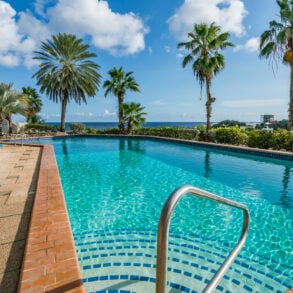


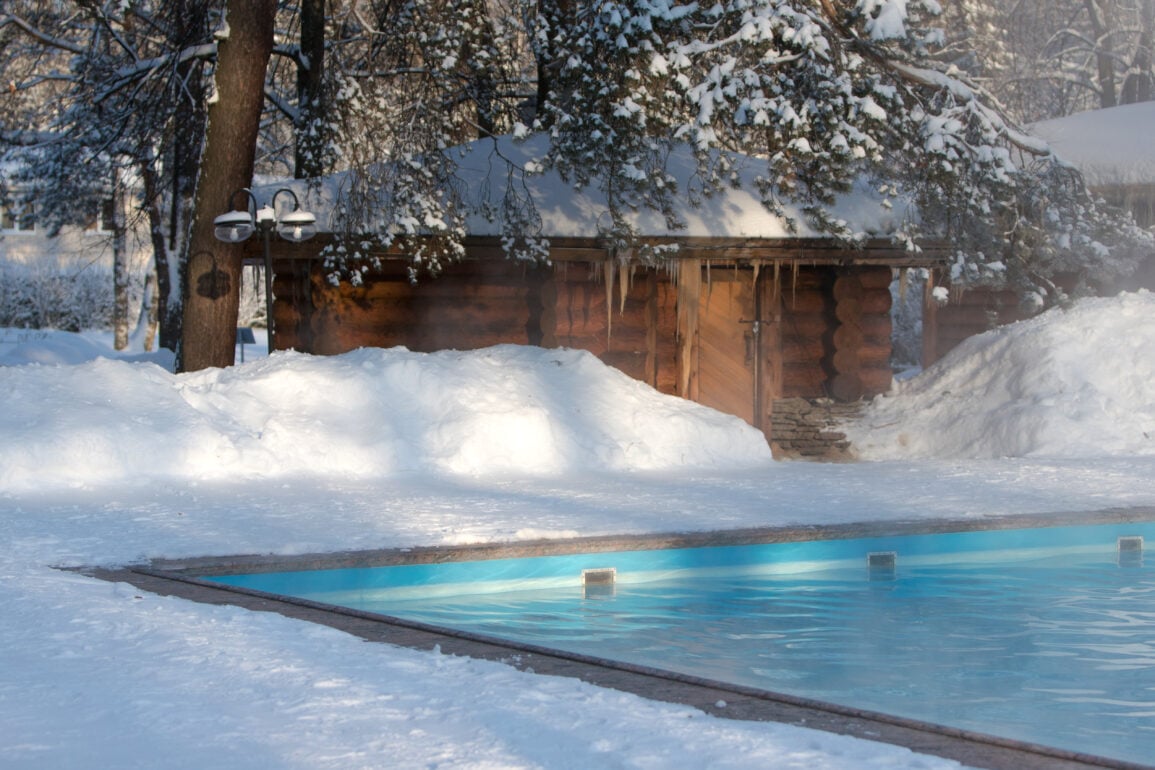
Building a new pool involves dozens of decisions, but few affect your long-term enjoyment and budget as much as choosing how to heat it. The right heating system extends your swimming season, keeps water temperatures comfortable, and fits your climate and usage patterns. The wrong choice can mean higher bills, inconsistent temperatures, or a system that struggles when you need it most. Here’s how the three main options—gas, heat pump, and solar—stack up.
Gas Pool Heaters
Gas heaters burn propane or natural gas to warm a pool quickly, regardless of outside temperature. This makes them the most reliable option for consistent heat, even during cold snaps or overcast weeks when other systems fall short.
Cost considerations: Gas heaters typically have a moderate upfront cost compared to heat pumps, but operating costs run higher since you’re paying for fuel continuously. Homeowners who swim occasionally or want fast heating for weekend gatherings often find gas heaters worth the tradeoff, since you only pay for gas when the heater is running.
Climate fit: Gas heaters excel in cooler climates or regions with unpredictable weather. Because they aren’t dependent on ambient air or sunlight, they perform consistently no matter the season, making them a popular choice for pool owners who want flexibility to swim year-round or heat up quickly for special occasions.
Heat Pump Pool Heaters
Heat pumps work differently: rather than generating heat directly, they extract warmth from the surrounding air and transfer it into the pool water. This process is more energy-efficient than combustion-based heating, which translates into lower operating costs over time.
Cost considerations: Heat pumps generally cost more upfront than gas heaters, but they cost less to run month over month. For pool owners planning to swim frequently throughout a long season, the higher initial investment often pays off through reduced energy bills. Heat pumps also tend to have longer lifespans than gas heaters, adding to their long-term value.
Climate fit: Heat pumps perform best in moderate climates where air temperatures stay above a certain threshold. In colder regions, efficiency drops significantly since there’s less ambient heat to extract, making them less practical as a sole heating source. For new pool owners in warmer or temperate zones, though, heat pumps offer an excellent balance of comfort and efficiency.
Solar Pool Heaters
Solar heating systems circulate pool water through panels—usually installed on a roof or nearby structure—where it’s warmed by sunlight before returning to the pool. This is the most environmentally friendly and cost-effective option to operate, since it relies entirely on free, renewable energy.
Cost considerations: Solar systems often carry the highest upfront installation cost of the three options, largely due to the panels and plumbing required. However, once installed, operating costs are minimal, limited mostly to running the pump that circulates water through the panels. Over the life of the system, many pool owners find solar heating to be the most economical choice.
Climate fit: Solar heaters are ideal for sunny climates with consistent exposure throughout the swim season. In regions with frequent cloud cover or shorter daylight hours, solar heating becomes less predictable and may need to be paired with a backup system. For new pools in sun-drenched areas, though, solar can comfortably handle most or all heating needs.
Making the Right Choice for Your New Pool
There’s no universal answer here—the best heating system depends on your climate, budget, and how you plan to use your pool. If speed and reliability matter most, gas heating delivers dependable warmth on demand. If you’re prioritizing long-term operating costs and swim often, a heat pump may offer the best value. If sustainability and minimal running costs top your list, and you live somewhere sunny, solar is worth serious consideration.
Many new pool owners also explore hybrid setups, pairing solar or heat pumps with a gas backup for cloudy days or unexpected cold snaps. Whatever you choose, factoring in your local climate and realistic usage patterns before construction begins will help ensure your new pool stays comfortable and cost-effective for years to come.