


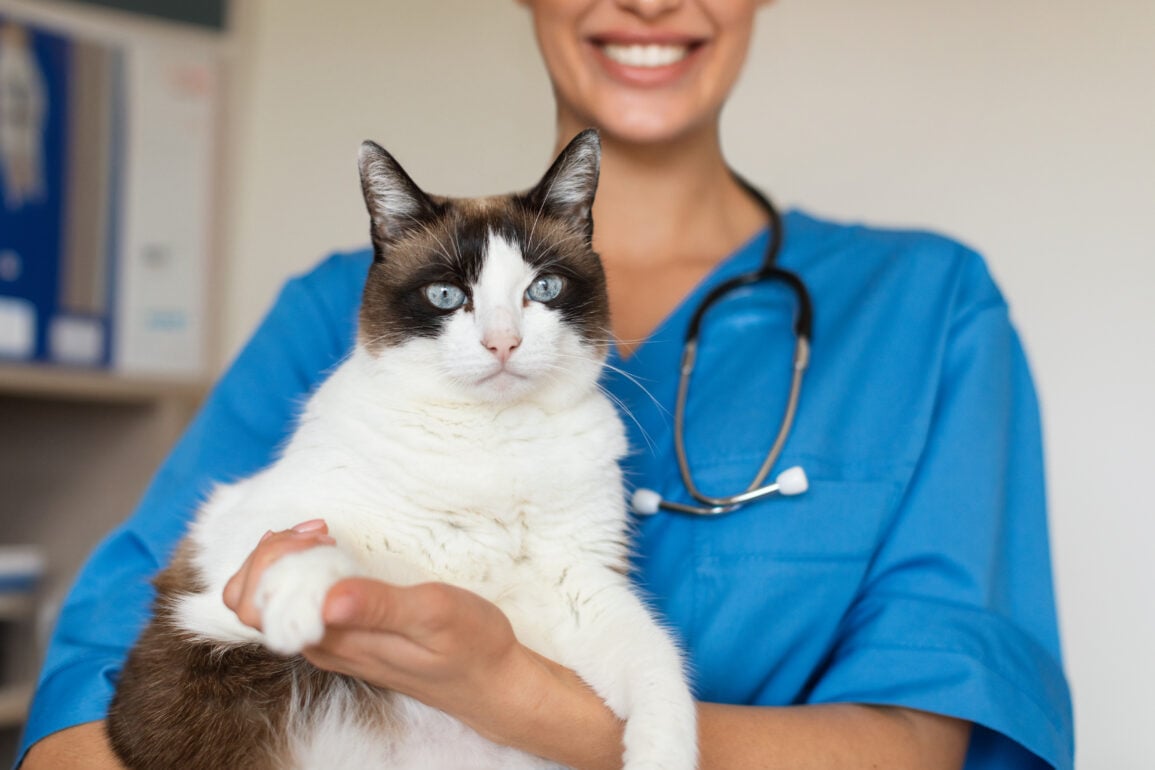
Cats are masters of disguise when it comes to their weight. That thick coat of fur can hide a lot, and unlike dogs, cats don’t get walked daily, so the warning signs of weight gain can sneak up on even the most attentive owner. If you’ve ever wondered whether your feline friend is carrying a few extra pounds, you’re not alone. Understanding how to spot the signs—and knowing what to do next—can make a real difference in your cat’s health and happiness.
Why Weight Matters for Cats
Extra weight on a cat isn’t just about appearance. Carrying too much weight puts strain on a cat’s joints, organs, and overall system. Overweight cats are more prone to joint discomfort, mobility issues, and a general decline in energy and quality of life. Since cats are naturally lean, agile creatures, even a small amount of excess weight can have an outsized impact on how they move and feel day to day.
The tricky part is that weight gain in cats tends to happen gradually. A little extra food here, a few too many treats there, and before you know it, your cat has quietly transitioned from lean to overweight without any single dramatic change you might have noticed.
Signs Your Cat Might Be Overweight
You don’t need fancy equipment to get a general sense of your cat’s condition. A simple hands-on check can tell you a lot.
The Rib Check: Run your hands gently along your cat’s sides. You should be able to feel their ribs without pressing hard, and without a thick layer of padding in the way. If you have to dig to find them, that’s often a sign of extra weight.
The Waist Test: Look at your cat from above. A cat at a healthy weight typically has a visible waistline that curves inward behind the ribcage. If your cat looks more like a straight line or an oval from this angle, it may indicate weight gain.
The Belly Profile: From the side, check for a “tuck”—the area behind the ribcage should angle slightly upward toward the hind legs. A belly that hangs low or sways when your cat walks is another common indicator.
Behavioral Clues: Watch how your cat moves. Reluctance to jump onto furniture, difficulty grooming certain areas (especially the lower back), or general sluggishness can all point to excess weight affecting mobility and comfort.
Common Causes of Weight Gain in Cats
Understanding why cats gain weight can help you address the issue more effectively.
- Overfeeding: Free-feeding or eyeballing portions instead of measuring can easily lead to consistent overeating.
- Too many treats: Treats add up quickly, especially when they’re a regular part of your cat’s day.
- Lack of activity: Indoor cats, in particular, may not get enough opportunities to move and burn energy.
- Age and life stage: Older cats or those who’ve been spayed or neutered often have slower metabolisms, meaning they need fewer calories than they once did.
- Underlying health issues: In some cases, weight gain can be tied to a medical condition rather than diet or activity alone.
What to Do If Your Cat Is Overweight
The good news is that helping your cat reach a healthier weight is entirely manageable with some consistency and the right approach.
Talk to your veterinarian first. Before making any changes, a vet visit is essential. They can rule out underlying health issues, confirm whether your cat is actually overweight, and help you set a realistic target weight and timeline.
Measure food portions. Ditch the guesswork. Use a proper measuring cup or scale to ensure your cat is getting an appropriate amount of food based on their size, age, and activity level.
Rethink treats. Treats don’t need to disappear entirely, but consider swapping high-calorie options for healthier alternatives, or use small portions of your cat’s regular food as rewards instead.
Encourage more movement. Interactive toys, laser pointers, feather wands, and climbing structures can turn playtime into a natural way to boost activity. Even short, frequent play sessions can add up over time.
Consider feeding schedules over free-feeding. Scheduled meals give you better control over portions and help prevent mindless grazing throughout the day.
Be patient and consistent. Weight loss in cats should happen gradually. Rapid weight loss can actually be dangerous for felines, so slow and steady is the safest path forward.
Keeping Your Cat at a Healthy Weight Long-Term
Once your cat reaches a healthier weight, the goal shifts to maintenance. Regular weigh-ins, continued portion control, and ongoing playtime can help prevent the weight from creeping back. Routine vet checkups are also valuable for tracking your cat’s condition over time and catching any changes early.
A healthy weight means a more comfortable, energetic, and playful cat—one who can jump, climb, and explore with ease. Paying attention to these small, everyday habits is one of the simplest ways to support your cat’s long-term health and give them the active, comfortable life they deserve.