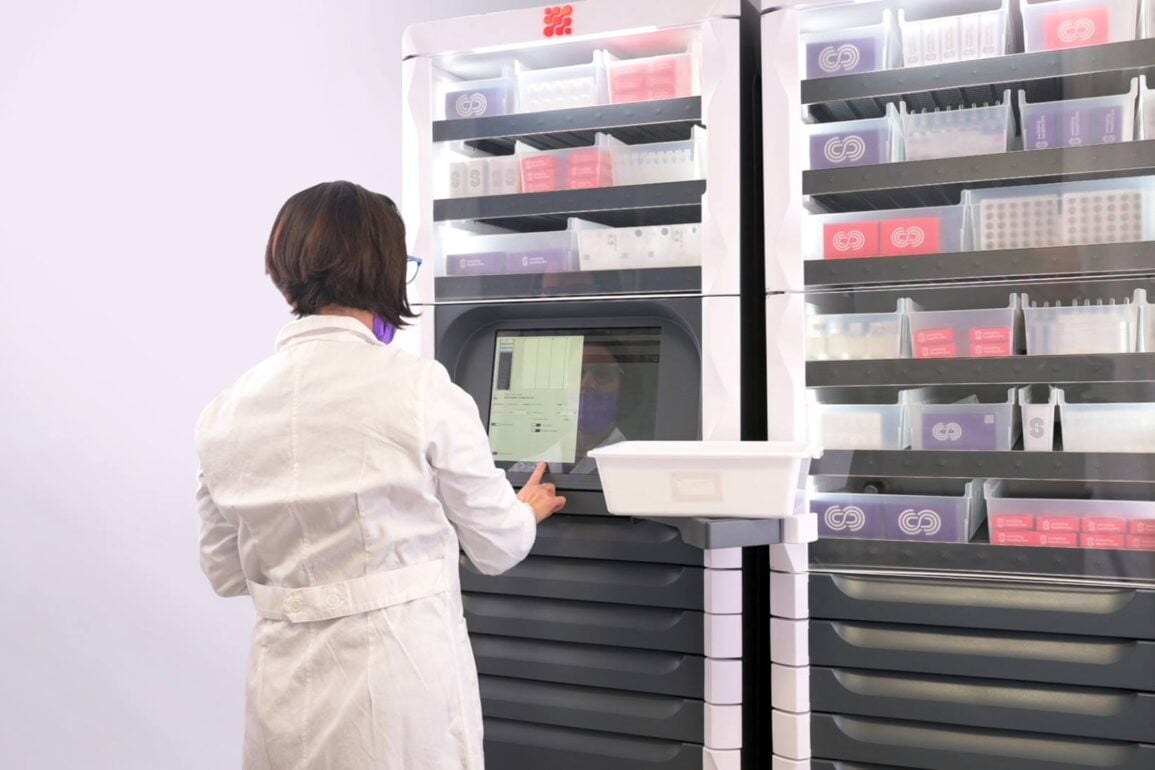
Healthcare staff work diligently to provide patients with optimal care. The good news? They don’t have to do it alone. Technology is the future of patient care, and pneumatic tube systems are designed to enhance hospital efficiency for patients and staff. These systems represent a significant advancement in how hospitals manage the logistics of care, ensuring that essential materials are delivered swiftly and reliably.
Regulatory
Nation-specific time-based legislation ensures hospitals keep up with urgent demands. The tube system automatically determines the most efficient route for materials such as medication and blood products and delivers them to wards ~5x faster than human couriers. This rapid transport is not only crucial in emergencies but also helps hospitals comply with regulatory standards that require timely delivery of critical supplies.
Physical
Labor shortages significantly affect hospitals. By 2030, a global shortage of 4.5 million nurses is expected. The system helps mitigate this issue by assisting nurses with routine tasks and ultimately streamlining their workflow. By automating the transport of items that would otherwise require staff intervention, nurses can focus more on patient care rather than logistical challenges. This shift not only improves job satisfaction among healthcare workers but also enhances the overall patient experience.
IT and Cybersecurity
In 2024, of surveyed healthcare organizations worldwide, 67% were affected by ransomware. By installing this on-premises system, hospitals no longer have to worry about outside attacks targeting vulnerable information. The security of patient data is paramount, and pneumatic tube systems can be integrated into existing IT frameworks with robust cybersecurity measures, ensuring that sensitive information remains protected from cyber threats.
Financial
According to a 2024 study, hospitals in many European countries continue to face insolvency problems. To keep pace, hospitals should budget for this efficiency-boosting system to avoid future unnecessary costs. Investing in pneumatic tube systems can lead to substantial long-term savings by reducing labor costs and minimizing delays in patient care. This proactive approach to budgeting can help hospitals maintain financial stability while improving service delivery.
Virtual
Pneumatic tube systems are a virtual innovation. They can transport materials and documentation throughout the facility quickly and without the risk of transmitting bacteria or human pathogens from high-touch hospital surfaces. This is particularly important in the context of ongoing public health concerns, where minimizing contact and maintaining hygiene are essential. The ability to move items seamlessly from one department to another without human contact not only enhances safety but also improves operational efficiency.
As healthcare continues to evolve, embracing technology like pneumatic tube systems is crucial. These systems not only address current challenges but also prepare hospitals for future demands. By investing in such innovations, healthcare providers can ensure they are equipped to deliver the highest standard of care while navigating the complexities of modern healthcare environments.
In conclusion, the integration of pneumatic tube systems into hospital operations represents a forward-thinking approach to healthcare logistics. By enhancing efficiency, supporting staff, and safeguarding patient data, these systems are set to play a vital role in the future of healthcare delivery. As the industry faces ongoing challenges, the adoption of technology will be key to ensuring that patient care remains at the forefront of hospital priorities.

Source: Swisslog