
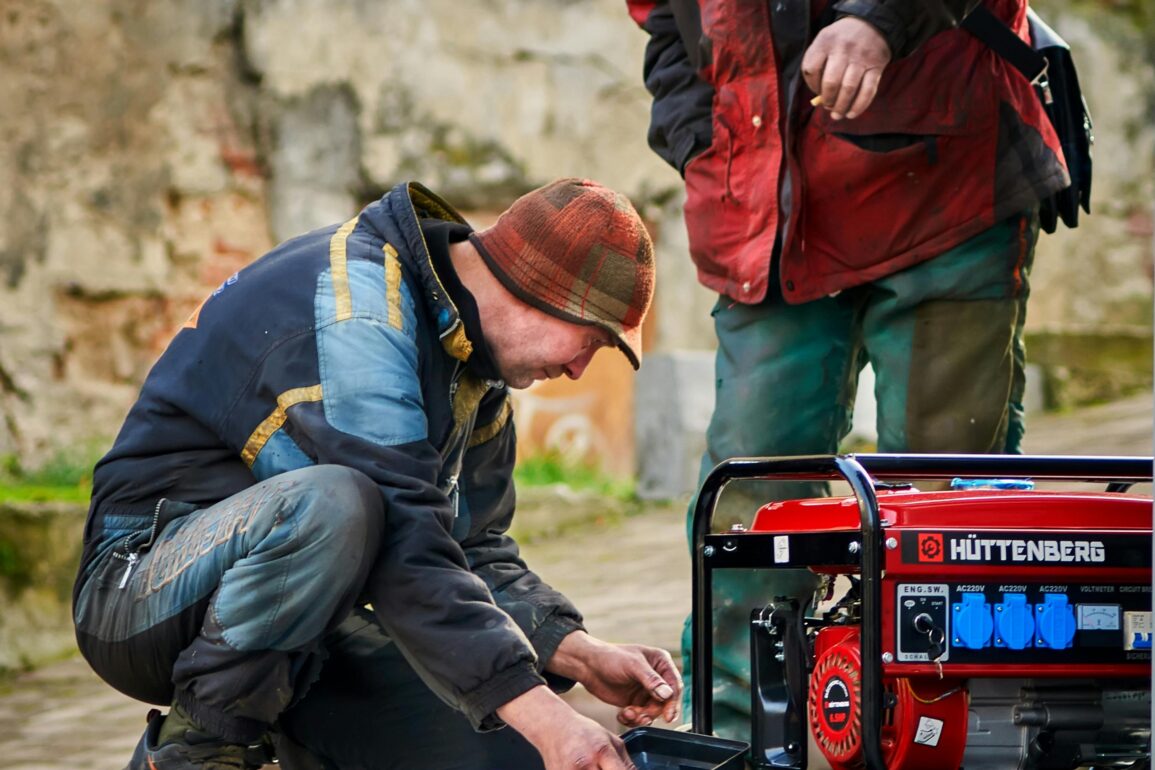
Having access to a backup power generator is ideal for those of you who live a little farther from the power grid or live in an area where power outages are a common occurrence. But having a backup power generator and having a working power generator are two different things. If you’ve never owned one before, you may not know the things you need to keep an eye on to make sure your power generator is working properly in an emergency.
Make Sure It’s In Good Condition
This statement probably seems ridiculous because isn’t maintenance just making sure the generator is in good condition? Yes, but you need to make sure that your generator is physically in good condition before you start. Check to make sure that everything is connected properly and that there’s no rust gathering in key places. You don’t want to be fumbling around in the dark to find the missing connection during a power outage.
Check Oil Level
Generators run similarly to a car engine: they need oil to operate properly. If your oil level is too low or is dirty, running the generator will cause damage to it, leaving you with a bill that costs much more than a simple bottle of oil would have.
Now, how often should you inspect and replace the oil in your generator? Short answer: it depends. The type of generator you have may have explicit recommendations for you as well as the type of oil you are using. In general, the rule of thumb is to replace it annually or after 100 hours of use, whichever comes first.
Check Air Filter
A clean air filter is key to maintaining your generator’s overall lifespan. Like with many other machines, a dirty air filter puts more strain on the machine, decreasing its efficiency and overall output. Regularly clean out your air filter while checking on your generator. If it can’t be cleaned out easily or it looks worn out, consider replacing the air filter entirely.
Check Transfer Switch
The transfer switch is often overlooked during maintenance because it’s not directly tied to the generator running properly. However, if the transfer switch isn’t working, the generator won’t automatically turn on when your power goes out, so all your work at maintaining it won’t matter. Regularly inspect and test your switch to make sure the generator you paid for will actually help you in an emergency.
Briefly Run It Monthly
Certain types of generators (primarily those that run on gasoline) need to be run periodically to ensure the generator still works properly. Gasoline can go stale, and debris can collect in the generator, making it difficult for the generator to get going. This is not something you want to find out while you’re in the middle of an emergency.
Take 10 to 15 minutes out of your day once a month to power up your generator. Make sure it’s running smoothly, and let it run for a little while to ensure sediment isn’t building up somewhere in the pipes. This small commitment may seem like a hassle, but you’ll thank yourself later when your generator works properly during an emergency.
Annual Professional Inspection
While you are perfectly capable of doing small maintenance tasks on your generator throughout the year, it is still important to have a professional come out and evaluate it every now and then. They are trained to look for little things that can lead to larger problems down the line that you may overlook. Schedule these inspections annually (or more often if you don’t want to maintain the generator yourself) and keep your mind at ease.