


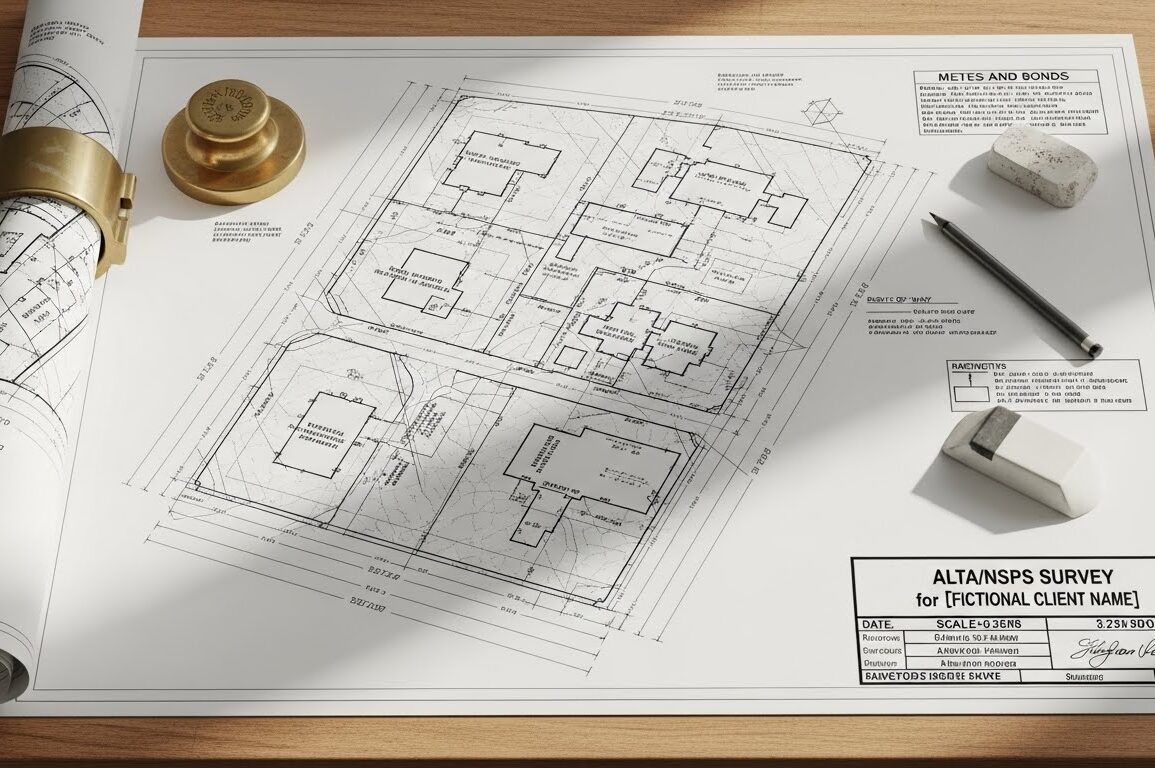
Most commercial property buyers assume access is a given. If a building has a driveway or a road nearby, it feels safe to believe getting in and out will never be an issue. That assumption is exactly why commercial ALTA survey services exist in the first place. Legal access can be far more complicated than it looks on the surface, especially when easements, shared roads, or outdated records are involved. Without proper verification, access problems often surface after money is committed and options are limited.
What Ingress and Egress Really Mean in Real Estate
Ingress and egress simply refer to the legal right to enter and exit a property. In real estate, this does not just mean that a road or driveway exists, but that the access is legally documented and enforceable. Without that legal backing, even obvious access points can become costly problems.
The Hidden Risks of Assuming Legal Access
It is easy to assume access is straightforward, but legal access issues are one of the most common surprises in commercial real estate transactions. Below are several risks buyers often overlook until they are already deep into a deal.
Driveways without Legal Rights
A visible driveway does not automatically mean there is a recorded right to use it. In many cases, the driveway crosses a neighboring parcel without a valid easement, leaving the property vulnerable to access disputes or restrictions.
Shared Access with Unclear Responsibilities
Some properties rely on shared roads or entrances, but ownership and maintenance responsibilities are not always clearly defined. This can lead to conflicts, unexpected costs, or limited access if agreements were never properly documented.
Landlocked or Partially Landlocked Parcels
A property may appear accessible but lack a legal connection to a public road. These situations often require negotiating new easements, which can delay transactions and reduce a property’s value.
Expired or Incomplete Easements
Easements can expire, be improperly recorded, or fail to cover current use. When this happens, buyers may discover that their intended access is no longer legally protected.
Zoning and Permit Complications
Even when access exists, it may not meet zoning or permitting requirements for the intended use. This can stop development plans or force costly redesigns after purchase.
Why Legal Access Matters Before You Buy or Build
Legal access affects far more than day-to-day convenience. Before purchasing or developing a commercial property, access rights are critical to financing, approvals, and long-term value.
Lender and Title Approval
Lenders typically require clear legal access before approving financing, and title insurers use access documentation to evaluate risk. In markets where an ALTA survey Dallas, TX is commonly needed, access verification often plays a key role in keeping transactions on track.
Zoning and Permit Compliance
Local jurisdictions often require proof of legal access before issuing zoning approvals or building permits. Without it, projects can be delayed or denied regardless of how suitable the property may seem.
Development and Construction Planning
The timelines for construction and the project plans will hinge on whether they can have the equipment, materials, and contractors at their disposal in a reliable way. Should access rights be severely restricted or there be a dispute regarding them, it may be necessary to change the construction plans, which may entail substantial costs.
Long-Term Property Value
Properties with clear, recorded access are easier to lease, sell, and refinance. Unresolved access issues can reduce buyer interest and negatively affect valuation.
Future Flexibility and Use
Legal access determines how a property can be used or expanded over time. Verifying ingress and egress early helps protect future redevelopment or change-of-use plans.
How Surveys Confirm Ingress and Egress
Access verification does not rely on assumptions or visual clues. It is certainly established by documented research and comprehensive mapping that link cadastral data to the physically existing.
Review of Recorded Easements
Surveyors and specialists go through the easements that have been recorded and are linked to the property to verify the legal rights of coming and going. By doing this, they make sure that the access ways are not unregistered or reliant on the good nature of the neighbors.
Verification of Public Road Connections
The survey confirms whether the property has a legal connection to a public roadway. This step is critical for validating that access is enforceable and recognized by local authorities.
Mapping of Access Points
All observed access points, such as driveways and entrances, are mapped and compared against legal descriptions. This reveals whether existing access aligns with recorded rights.
Identification of Gaps or Conflicts
Issues resulting from improper documentation of access that seems to be available are clearly pinpointed. This way, buyers can address problems at an early stage rather than finding out about them after the deal is done. Just think about the irritation of going to the spot when the real setup is different from what has been documented!
Alignment with Title Documentation
Survey findings are coordinated with title records to ensure consistency. This alignment helps reduce surprises for lenders, insurers, and future owners.
What the Survey Actually Shows
The deliverables go beyond simple boundary lines and provide a clear visual record of how a property functions in the real world. These details help buyers understand exactly how access and legal rights come together on paper.
Property Boundaries and Corner Locations
The survey clearly outlines property boundaries and marks corner locations based on legal descriptions. This helps confirm where the property begins and ends in relation to access points.
Recorded Easements and Rights of Way
All recorded easements tied to ingress and egress are shown directly on the survey. This allows buyers to see where access is legally permitted and where limitations may exist.
Observed Access Features
Driveways , entrances, pathways, and access roads that are visible on-site have all been documented. These features are subsequently compared with the recorded rights to ensure they are legally supported and acknowledged by everyone.
Adjoining Properties and Streets
The survey identifies neighboring parcels and adjacent streets. This context helps clarify how the property connects to the surrounding infrastructure.
Notes and Legal Descriptions
Detailed notes explain how access rights are derived from legal documents. These explanations make it easier for non-technical stakeholders to understand potential risks or restrictions.
Common Access Problems Uncovered by Surveys
Access issues often stay hidden until a detailed review brings them to light. These problems can cause delays, additional costs, or even derail a transaction if not addressed early.
Missing Recorded Easements
A property may rely on access that has never been formally recorded. Without a documented easement, that access can be challenged or revoked by neighboring owners.
Encroachments Blocking Access
Fences, buildings, or landscaping from adjacent properties can interfere with established access routes. These encroachments may require legal action or costly adjustments to resolve.
Private Roads without Legal Rights
Few houses are connected to private roads without clear usage rights. The people living in the houses will quarrel over the right of way, or they will be greatly surprised by the demand to pay the maintenance costs. The absence of identification or recognition may lead to iffy disputes that are not so good.
Access that Does Not Reach a Public Road
In some cases, access exists but stops short of a public street. This creates uncertainty for lenders and can complicate permitting and approvals.
Conflicting Legal Descriptions
Recorded documents may describe access differently across deeds and agreements. These inconsistencies can raise red flags during due diligence and require clarification before closing.
Final Thoughts
Confirming legal access before purchasing or developing a property is one of the smartest steps you can take. Using commercial ALTA survey services ensures that ingress and egress are documented and legally protected, giving you confidence in your investment. Addressing these issues early saves time, money, and stress down the road.