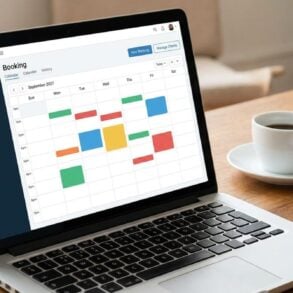



A fitness studio that relocates has to rebuild much more than its equipment list. Members need to learn new travel times, the class timetable must fit the new neighborhood and the instructors may need fresh routines for setup and cleanup. Handled well, the move can attract a new group of clients while keeping existing members loyal.
Wellbeing businesses are built on trust, so the transition deserves clear communication and careful planning. This article offers general business guidance only and does not provide medical advice. Its purpose is to help the studio structure a timetable and a client experience that feel welcoming, organized and sustainable from the first visit onward.
Surveying the Neighborhood Before Setting Classes
Before drafting a new timetable, study the daily patterns of people living and working nearby. Look at commuter peaks, school pickup times and the hours when local offices empty out. Talk to neighboring businesses and ask what times their staff or customers would prefer to attend sessions. This research shapes a schedule that feels natural rather than imposed on the area.
Readers may also want to visit technolik.com. Those sources often share event calendars and population notes that help set realistic class sizes. Compare what you learn with the studio’s own booking history, since past patterns from the old location still offer useful clues.
Writing a Timetable That Fits Real Routines
A strong timetable balances popular slots with quieter sessions that suit different needs. Offer a mix of short classes, longer workshops and beginner-friendly options, and rotate trial times to see which ones attract new members. Keep spacing between classes so instructors and equipment can reset safely between sessions.
You can also visit profintechzoom for more reading. Simple language prevents confusion and reduces front desk questions. Review attendance every few weeks and move any class that consistently runs half empty.
Keeping Existing Members Engaged Through the Change
Members who followed the studio to its new home need reassurance. Send a welcome message that explains the new address, the arrival routine and the changing room arrangements. For a related read on this site, see Building an In-House Video Studio for Your Growing.
Personal contact still matters a great deal. Instructors can greet regulars by name, check in after absences and invite feedback in a relaxed way. Warm attention keeps members returning even when the building looks different, and it helps newcomers feel that they belong from their first session.
Setting Safety, Hygiene and Staffing Routines
A relocated studio should review safety routines from the start, including how equipment is stored, how spills are cleaned and how emergencies are handled. Post clear instructions near exits, and make sure every instructor knows the location of the first aid kit and the closest medical facility. Keep staffing levels realistic so that classes never feel rushed or unsupervised.
Clean and maintain equipment on a fixed schedule, and record each check in a shared log. Good records show clients that the studio takes care of its space and its people. Review the log at the end of each month so any recurring issue is spotted early.
Schedule a short feedback session after the first month at the new address, where instructors and front desk staff can share what members have said. Note common requests, such as more evening slots or a quieter room for stretching and mobility work. Use that feedback to refine the timetable, and let members know which changes came from their suggestions. Visible responses make people more willing to share honest comments next time.
Consider how the studio presents its goals to new visitors. Clear descriptions of class levels, expected effort and the role of each instructor help people choose a session that feels right for them. A short welcome conversation before a first class can ease nerves and reduce the chance of an early dropout, which protects both the newcomer and the timetable. Keep the welcome conversation brief and friendly, and offer a printed sheet that summarizes class levels and etiquette. Many newcomers feel more confident once they know what to bring, where to stand and how to use the equipment. A smooth first visit encourages a second, and a second visit is where lasting membership usually begins. Staff who greet people warmly at the door often shape that first impression more than the timetable does. Track how many newcomers return after their first week, since that number reveals how well the welcome is working.
Building a Studio People Want to Return To
A new address gives a fitness studio the chance to refresh its timetable, its community and its daily rhythm. Members who feel informed and respected are likely to stay, and new neighbors often arrive curious about what the space offers. With steady planning and warm communication, the studio can become a reliable part of local life, offering classes that feel supportive from the first step to the final cooldown. The studio that listens carefully and plans with care will always have a place in the community it serves.