

Modern residential and commercial property owners increasingly look for ways to bring living greenery into their indoor environments. Rather than simply setting potted plants on windowsills, clients want intentional botanical arrangements that complement architectural lines, improve indoor ambience, and soften minimalist spaces. For an enterprising founder with an interest in horticulture and interior styling, launching an interior plantscaping firm offers a practical route into the design services sector.
Unlike a traditional garden center or retail plant shop, a specialized plantscaping business focuses on spatial consultation, custom installation, and recurring horticultural care. Success in this field requires more than plant knowledge. You must also understand client workflows, building layout constraints, and the operational demands of managing ongoing service routes across your community.
Defining Your Plantscaping Service Tiers
Starting an interior styling firm begins with choosing which services you will offer and who your primary customers will be. Residential homeowners typically seek personalized focal points, such as living accent walls, statement floor specimens in custom containers, and curated shelf displays. Commercial clients, including professional offices, boutique hotels, and restaurants, usually demand durable installations that withstand heavy foot traffic and variable indoor conditions.
A balanced service model divides your business into two distinct revenue channels: initial installation projects and recurring plant maintenance. Design and installation projects generate upfront cash flow to cover equipment, specialized planters, and initial inventory purchases. Ongoing maintenance contracts, on the other hand, provide steady operational income that smooths out seasonal lulls in design work.
When starting out, focus on standardizing your service packages. Offer a clear consultation tier that covers spatial evaluation, botanical recommendations, and container sourcing. Separating design consultation fees from installation labor ensures that you receive fair compensation for your planning time, even if a client decides to execute an installation gradually.
Assessing Light, Airflow, and Installation Hardware
A thriving plant design business depends entirely on specimen longevity. When living foliage struggles or dies shortly after installation, client confidence drops and warranty replacement costs accumulate quickly. Every project must begin with an on-site environmental assessment that measures natural daylight exposure, heating and cooling vent placement, humidity levels, and human traffic patterns.
Light levels dictate which varieties can survive in a specific space. Low-light zones benefit from resilient selections like cast-iron plants, snake plants, and specific dracaena varieties, whereas sunny atriums can accommodate large-leaf ficus trees or indoor palms. In spaces with insufficient natural sunlight, educating clients on integrated horticultural grow lights allows you to place vibrant greenery in dark hallways or windowless meeting rooms without compromising plant health.
Physical installation presents its own structural challenges, particularly when securing vertical living walls, hanging planters, or heavy ceramic containers on upper floors. Fastening brackets securely to wall framing and installing reliable waterproofing pans protects client properties from moisture damage and structural failure. Reviewing practical home improvement tutorials on PlantWare helps your team master dependable anchoring methods, moisture protection systems, and basic carpentry skills required for seamless property modifications.
Harmonizing Botanical Selections with Interior Decor
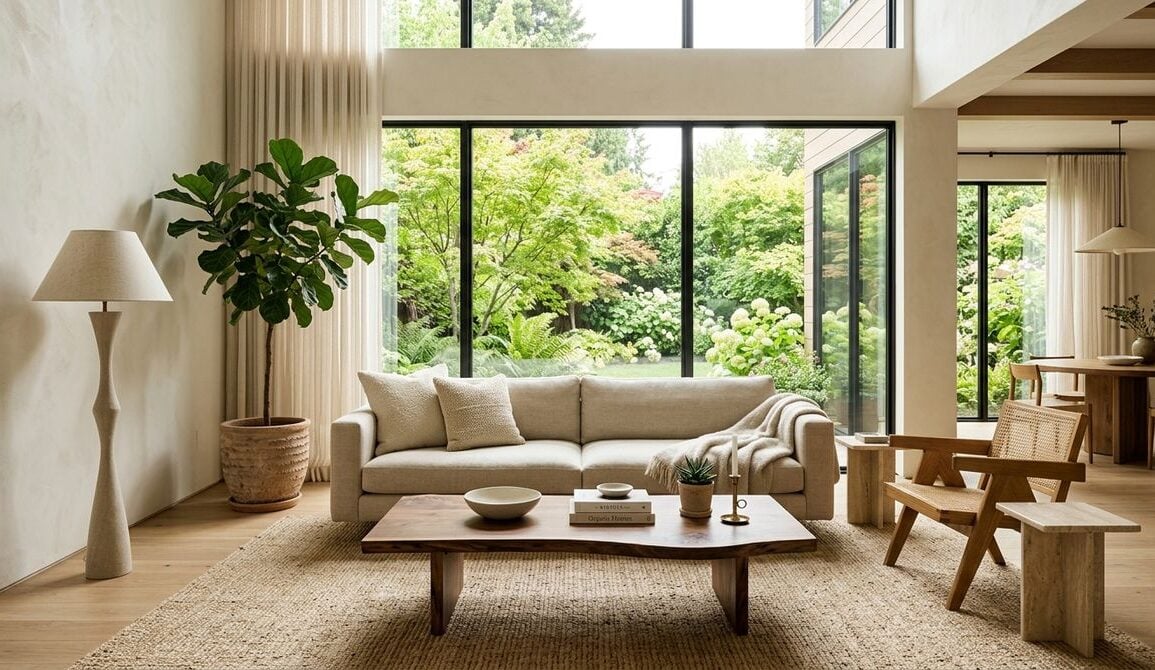
Great plantscaping bridges the gap between botanical biology and thoughtful interior styling. Plants should never feel like an afterthought dropped into a corner; they need to converse with the surrounding architecture, wall colors, millwork, and furniture styles. Matching container materials to the room’s aesthetic establishes visual harmony throughout the entire living space.
Consider scale and proportion carefully when drafting a plant placement plan. A cavernous open-plan living room or corporate reception area easily swallows small tabletop pots, requiring tall, structural plants with architectural foliage to anchor the room. Conversely, a compact private residence requires slender planters and airy leaf structures that add freshness without crowding walkways or obstructing natural sightlines.
Container selection serves as the primary visual bridge between living botanicals and room decor. Matte ceramic pots complement modern Scandinavian furnishings, while brushed metal planters pair naturally with industrial finishes. Exploring creative room layout concepts on Exxointerior.com provides practical inspiration for integrating natural elements into contemporary living spaces, helping you recommend palettes and arrangements that truly elevate a client’s daily living environment.
Structuring Predictable Maintenance Agreements
While design projects showcase your creative talent, long-term maintenance contracts represent the financial backbone of an interior plantscaping enterprise. Many residential and commercial clients love the beauty of living greenery but lack the time or horticultural knowledge to keep indoor plants healthy. Offering regular service visits relieves clients of this burden while securing predictable revenue for your business.
A standard maintenance visit should follow a systematic, repeatable checklist so that technicians deliver consistent results across every property on their route. Routine care tasks should always include:
- Monitoring soil moisture levels and watering according to individual species needs.
- Pruning yellowing leaves, dusting foliage, and applying organic pest prevention treatments.
- Rotating containers periodically to encourage balanced, upright growth toward light sources.
- Inspecting drainage liners and sub-irrigation reservoirs to prevent water overflows.
Structure your service agreements with clear terms regarding plant health guarantees. Many successful plantscapers include a plant replacement clause in their premium maintenance tier, agreeing to replace any declining specimen at no extra charge provided the client does not interfere with watering routines or adjust environmental controls without notice.
Managing Growth and Logistics for Sustainable Scaling
As your client roster expands from a handful of private residences to busy commercial spaces, daily logistics become your primary operational challenge. Transporting delicate foliage, bags of specialized potting substrate, and heavy decorative planters requires reliable vehicles equipped with temperature control to prevent shock during extreme weather transit.
Establishing relationships with regional wholesale nurseries is essential for maintaining healthy profit margins. Wholesale growers offer commercial pricing and consistent specimen grading that retail nurseries cannot match. Sourcing directly from reputable wholesale partners ensures that every specimen arrives pest-free, well-rooted, and properly acclimated to indoor conditions before reaching a client’s property.
Entrepreneurs who enter this space often begin with an informal passion for propagating and selling plants from home. If you are currently evaluating a backyard plant business, recognizing the operational shift between backyard cultivation and on-site client consulting is vital. While backyard cultivation centers on propagation and inventory turnover, professional plantscaping demands formal client communication, liability coverage, scheduling software, and reliable field equipment.
Investing early in routing software and digital invoicing tools simplifies client administration as your business grows. Grouping client service appointments geographically reduces vehicle travel time and fuel expenses, allowing technicians to spend more time caring for greenery and less time sitting in traffic.
Building an interior plantscaping and biophilic styling practice combines the art of indoor design with the disciplined science of horticulture. By focusing on detailed site evaluations, harmonious container styling, and dependable care routines, you can cultivate a distinctive service brand that transforms everyday spaces into vibrant, living environments. With patience and consistent service standards, your firm can build enduring relationships with clients who value the timeless beauty of nature indoors.