


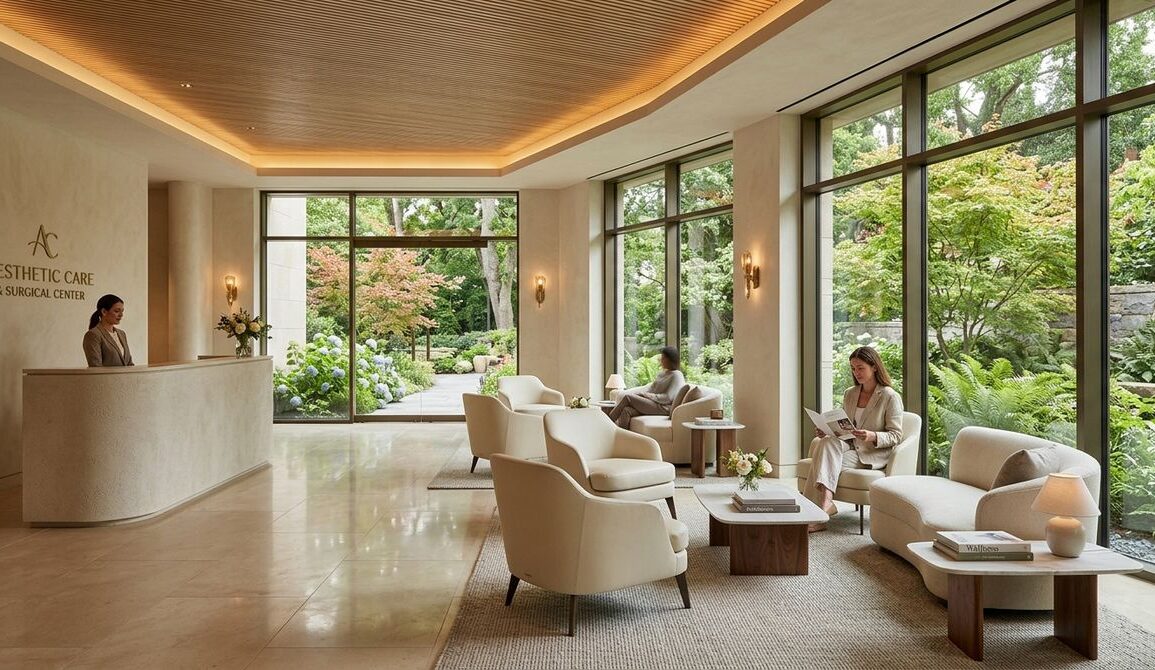
A client who walks into a wellness studio for the first time often feels a mix of curiosity and caution. The lighting, the quiet of the waiting area, the scent in the air, and the way the front desk greets them all send signals. People want to feel that they are in a safe, organized place where their comfort is considered. The first few minutes can build that feeling or quietly undermine it.
This article looks at a studio visit from the client’s side of the door. It covers what people notice first, which details make them feel at ease, and how a business owner can create a calm and professional start. The advice is general. It does not describe any medical treatment or promise particular outcomes, and clients with health questions should speak with their own clinician. Attention to everyday details is what helps clients feel respected.
The Waiting Area Atmosphere
The waiting area is the client’s first real experience of the business. A clean floor, a tidy bench, and a clear sign at the desk tell the client that the studio is cared for. Clutter, stale air, or a long silence at the front can make people feel forgotten before they have even taken off their coat. A simple welcome and a glass of water are small gestures that signal care.
Comfort matters while people wait. Soft lighting, a moderate volume of background sound, and a few printed materials to read help clients settle. Readers may also want to visit mobil-hondapromo.com.
Clean Mats and Shared Equipment
Clients notice cleanliness quickly, especially where bodies and shared tools meet. Mats that look worn, blocks that feel sticky, or cushions with visible marks can be unsettling. A visible cleaning routine, with fresh towels and clearly marked wipe-down stations, reassures clients that hygiene is taken seriously. Clients are more likely to return to a studio that makes its standards obvious.
You can also visit busdriverse.com for more reading. Staff can then show clients that each item has been prepared before use. That openness turns a routine chore into a visible sign of professional care.
Staff Who Explain Before They Touch
Physical contact in a wellness setting can feel sensitive, and clients pay close attention to how staff communicate. A practitioner who explains each step, asks for consent, and invites questions before touching anything creates a sense of safety. Clients who feel rushed or surprised often become tense, which makes any session less comfortable for everyone involved.
For a related read on this site, see Passing a Game Lounge Booking Desk to a. Staff can ask whether the pressure feels right, whether a position is comfortable, and whether the client would like a pause. Those small questions show respect for the client’s body and choices.
Printed Policies a Visitor Can Read
Clients also judge the studio by how easy its policies are to understand. A short sheet that explains booking changes, cancellation timing, and what to bring is far more reassuring than a long document in small print. People want to know what to expect before they arrive, and clear wording prevents misunderstandings at the desk.
Policies should also describe how privacy is handled. A simple statement about how client records are stored and who can see them tells visitors that their information matters. Plain language and honest details make the studio feel trustworthy from the start.
Studios that keep policies on a shared page, and review them each season, also make staff training easier. Everyone then gives the same answer when a client asks, and that consistency is a comfort in itself.
Follow-Up Messages After a Session
The contact after a visit can shape how clients feel about the studio for weeks. A brief message that thanks the client, reminds them of any aftercare notes, and invites questions shows continuing attention. Clients who receive thoughtful follow-up often feel more connected to the business and more likely to book again.
Messages should stay simple and avoid promises about results. A reminder about hydration, rest, or the next appointment is usually enough. Clients value clear, honest communication that respects their pace.
Some studios also send a short welcome note before the first visit, explaining arrival time and what to wear. Clients who arrive knowing what to expect tend to settle in faster, which makes the first session feel like the start of a relationship rather than a transaction.
Building Trust Through Small Details
A wellness studio earns trust through many small choices made consistently. The waiting area, the cleanliness of the equipment, the way staff explain each step, the clarity of the policies, and the tone of follow-up all contribute to the client’s experience. When each part feels calm and respectful, clients feel safe enough to return.
For business owners, the practical lesson is to experience the studio as a client would. Each detail, from the first greeting to the final message, can strengthen confidence. Consistent care in those details is one of the most reliable ways to build a loyal client base.