


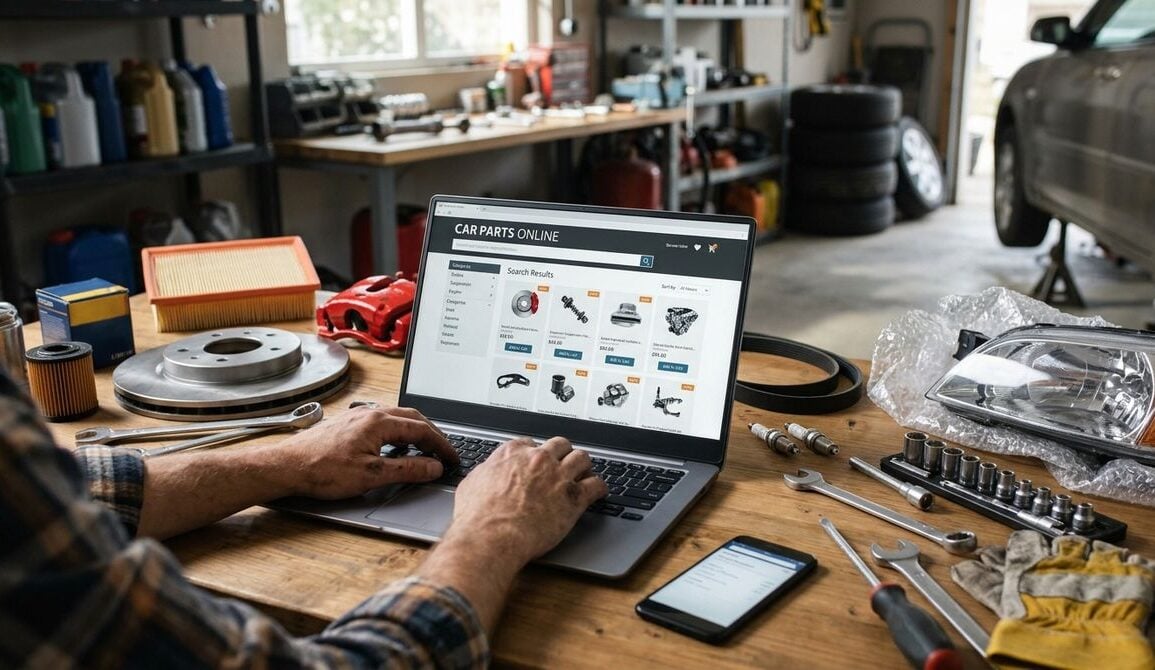
A small repair shop hears a steady stream of trade language from suppliers, customers and insurers. Parts sellers mention cores and aftermarket options, service writers talk about flat rate, and a car that returns with the same problem is called a comeback. A manager who understands these terms can price work fairly, keep customers informed and avoid misunderstandings at the counter. This walk-through covers five phrases that appear most often on invoices and in daily conversation. It is general business information rather than financial or legal advice, and each term is described as it is used in a working shop. Owners who learn these words early usually feel more confident when a supplier sends a quote. Knowing the terms also helps staff when they explain a repair in the waiting room.
Core Charge Returns the Old Part
A core charge is a deposit added to the price of a rebuilt part, refunded when the old unit is returned. The idea keeps usable components in circulation and gives the supplier a reason to collect the used piece. Shops should explain the charge on the estimate so the customer is not surprised when the final bill arrives. Readers may also want to visit Konami-europe.net. A simple return log prevents disputes about who still holds an old unit. A missed return can quietly erase the margin on a job, so the paperwork deserves the same attention as the repair itself. Staff should know where the old units are stored and how each return is marked. Many shops also keep a short written note for each core on the invoice.
OEM Versus Aftermarket Parts
OEM means original equipment manufacturer, which refers to parts made by or for the vehicle’s maker. Aftermarket parts come from other companies and vary in price, fit and quality. Customers often ask which choice is better, and the honest answer depends on the repair, the vehicle and the budget. You can also visit Globenews12.com for more reading. A shop should explain the difference in plain terms and note the choice on the work order. Clear labeling protects both the business and the driver, and it avoids the argument that starts when a customer discovers the box says something unexpected. Keep the part packaging with the invoice so the record stays complete.
Flat Rate Pays for Labor Time
Flat rate is a labor pricing method in which a job is billed by a standard time allowance rather than the hours actually spent. A technician who finishes early can earn more on that job, while a difficult repair may take longer than the allowance. Owners use the system to set consistent prices across customers, but the method needs careful tracking to stay profitable. For a related read on this site, see Contract and Waiver Upkeep for Sports Clubs and. Managers should review the numbers regularly so the schedule and the pricing remain in step with real work. A simple monthly comparison of billed hours against actual hours shows where the estimate needs adjusting. Shops can share the calculation with a new hire so the logic is clear.
Comeback Means a Returned Car
A comeback is a vehicle that returns with the same problem after a repair. The word can sting, yet it is a normal part of the trade and a useful signal for the shop. Shops that track comebacks can see whether a process, a part or a training gap needs attention. Respond quickly and honestly, and keep clear notes on the original diagnosis and the work performed. A tidy record also makes it easier to decide whether a warranty repair applies, and it shows the customer that the shop takes the concern seriously. Discussing the return with the technician before the car leaves can prevent a second visit.
Inspection Sheet Lists the Findings
An inspection sheet is a checklist that covers brakes, fluids, tires and other systems in a single visit. Technicians record findings with notes or photos, and the sheet gives the customer a clear view of what needs attention now and what can wait. Some drivers feel pressured by long lists, so the shop should separate urgent safety items from routine advice. Good inspections explain each finding in everyday language and leave the decision with the owner. An honest, organized sheet builds trust and helps the work order make sense on the way out the door. Photos attached to the sheet make the findings easy to understand without a long explanation.
Trade language is part of daily life in a repair shop. Core charge, OEM, flat rate, comeback and inspection sheet describe money, parts, time, quality and trust. Each term matters because it shapes what a customer pays and what the shop must deliver in return. Explain the words to customers in plain terms, and write them down where the customer can see them. Good vocabulary, used consistently, keeps the counter running smoothly and keeps repeat business coming back through the door. A shop that explains each term patiently earns a reputation for honesty that lasts for years.