


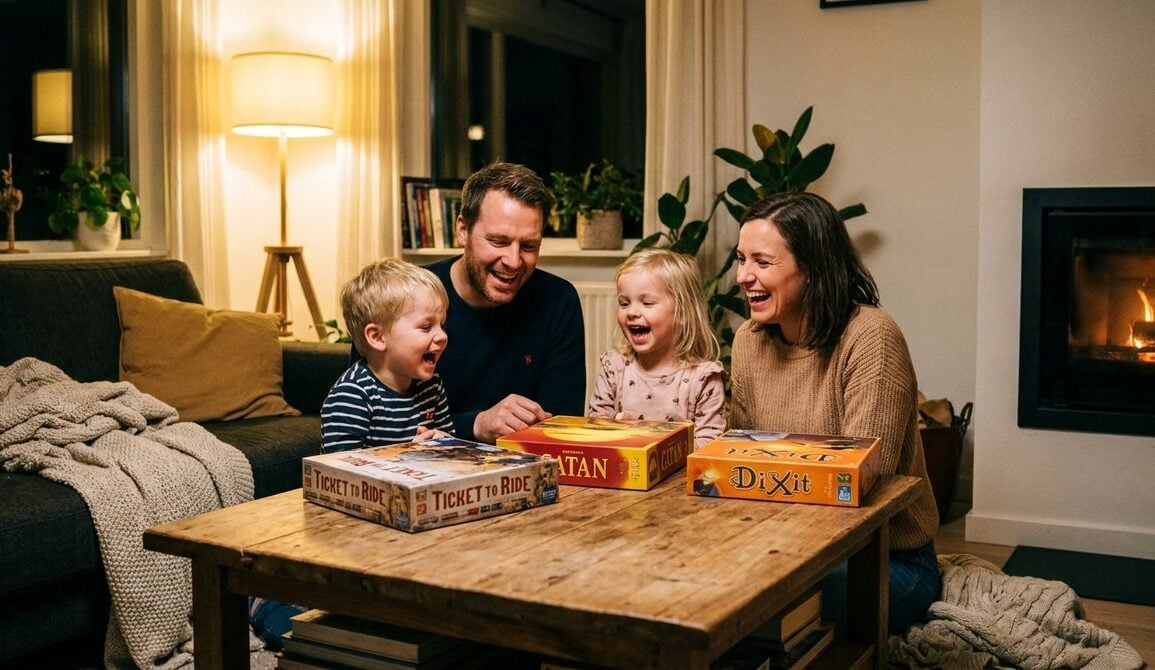
A family haircut studio runs on timing. Parents arrive with restless children, appointments drift a few minutes late, and the waiting area becomes part of the service whether the owner planned for it or not. A small play corner with the right games can calm the room and encourage families to return, but only when it fits the natural rhythm of the shop.
Experienced owners treat a play area the way they treat a retail display. They start with a clear purpose, test the layout with real families and remove anything that creates more work than it saves. The habits below are simple, and most of them cost very little to adopt.
Decide What Waiting Guests Actually Need
Start by asking what waiting families need during the few minutes before a cut begins. Some parents want quiet reading material, while others want something active for a child who has been sitting still too long. Watch a few appointments from a corner seat and note where people pause, look around or begin to fidget. Readers may also want to visit Buienradar.
Consider offering a small basket of coloring pages and crayons that can be wiped clean between visits. Parents appreciate options that require little supervision, and the staff can restock them during slow periods. A tidy basket also signals that the shop cares about families as much as the haircuts.
Choose Games That Reset Quickly
A game should be easy to stop mid-round when the stylist calls a name. Card games with clear piece counts, wooden puzzles with large pieces and simple tile games tend to work well in a busy room. Keep the set small and rotate a few items each week so the space never feels stale to regular visitors. You can also visit zoomblog.org for more reading.
Pick games whose instructions can be learned in a single glance. A child who understands the rules quickly will play longer, and a parent who does not need to explain the game can keep chatting with a partner or scrolling a phone. Simple rules also suit guests who speak different languages or who arrive with a sleepy toddler in tow.
Keep Supervision Simple for Children
The play area should sit where staff can see it from the styling chairs without creating a crowd near the entrance. Post a short, friendly note that explains the games are meant for the waiting period and that parents remain responsible for their children. For a related read on this site, see Learning Patterns Smart Teams Work Into Their Week.
Keep a small sign near the play area with the name of the staff member responsible for it that day. Parents feel reassured when they know who to ask about a missing piece or a sticky spill. Clear responsibility also keeps the corner from becoming a shared problem that nobody owns.
Protect the Schedule Behind the Chairs
Games should never delay a haircut or create a tripping hazard near the sink and the cabinets. Store everything in a closed bin that a staff member can carry to a back room in seconds. Assign one person at the front desk to check the corner before each new client arrives. Schedule cleanup during a planned gap in the calendar rather than in the middle of a rush, so the flow of appointments stays predictable.
Ask a few regular clients for quick feedback once a month, using a simple question about the waiting area. Their honest answers will show whether the games feel welcome or whether the space is simply taking up room. Use that feedback to refine the mix rather than relying on guesses.
Measure Whether the Corner Earns Its Space
Track how often parents comment on the area, whether waiting feels shorter and whether the games come back complete at the end of each day. If the corner brings more relaxed visits and fewer complaints, it is doing its job. If the bins stay full and staff spend more time tidying than styling, shrink the offering and try a different mix next month. Small, honest measurements are usually enough to make a good decision.
A small trial is often the best way to test an idea. Set up the corner for two weeks, observe the traffic and then decide whether to expand, adjust or remove it. A clear trial period keeps the decision honest and avoids a permanent change based on a single busy morning.
A waiting corner is a modest investment with a noticeable effect on how a family experiences the entire visit. Keep the choices simple, watch how people actually use the space and let the team adjust the setup as the crowd changes. When the room feels calm and organized, the haircut itself tends to feel like part of a pleasant outing rather than an errand to finish quickly.