


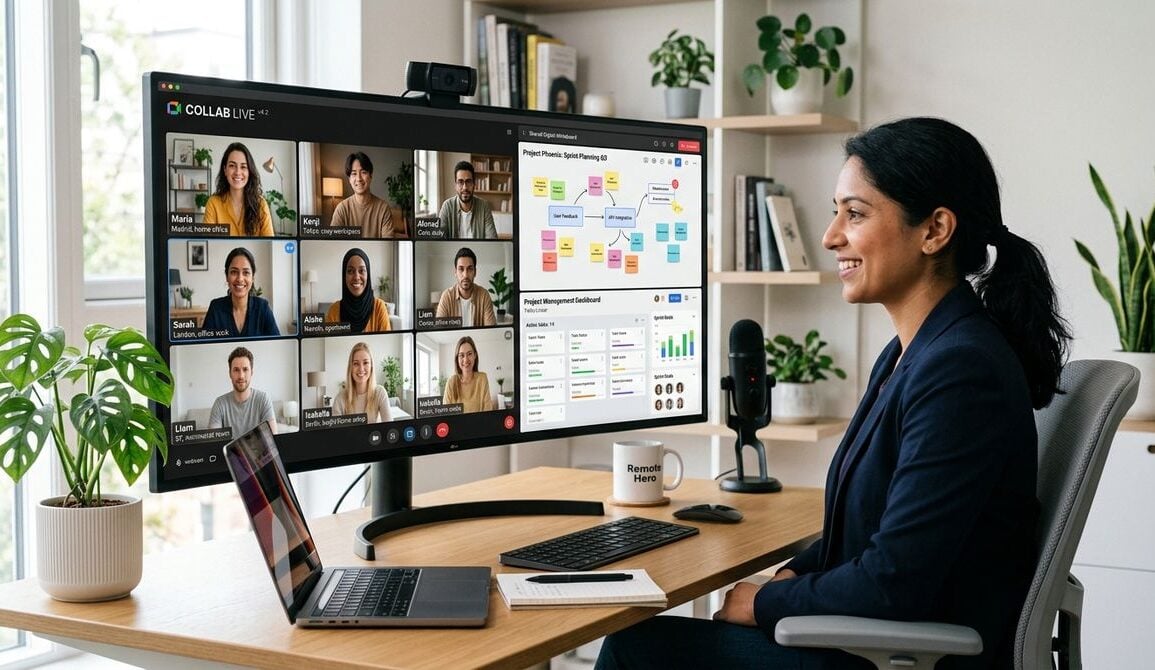
Team trust grows through small, repeated moments of shared experience, and a well-run game can provide exactly that. Managers often assume games belong only in social settings, but a structured session after work can improve communication without consuming the entire evening. The key is to keep the format short, inclusive and clearly connected to real working habits. This article offers general ideas for designing those sessions. The goal is steady results from brief gatherings rather than one big event that few people can attend.
Choosing Short Formats That Fit a Tired Team
Pick games that finish in under thirty minutes, since people arrive after long days and want to leave on time. Card games, quiz rounds and simple board games work well because their rules can be explained quickly. Avoid anything that requires long setup or heavy reading. Readers may also want to visit FirstReporter.org. A short format also makes it easier for people with childcare or travel plans to join.
Those resources usually stress inclusion over competition, which keeps the mood relaxed. Rotate the choice of game so each team member can bring a favorite. Ask people in advance which kinds of activities they enjoy, and note any that might feel uncomfortable. A little planning keeps the session welcoming for everyone.
Share the chosen game a few days ahead, along with a brief note about what the session will involve. Advance notice helps people decide whether to attend and gives them time to ask questions. Keep the invitation friendly and optional in tone. Clear expectations make the evening feel relaxed from the very start.
Building Trust Through Cooperative Play
Cooperative games encourage people to share information and plan together rather than compete. A team that solves a puzzle together practices the same skills used in projects, such as listening, suggesting and checking one another’s work. Debrief for two minutes at the end, asking what worked and what felt awkward. Small reflections help people connect the game with their daily work.
Choose a mix of quieter and livelier activities so no one feels pushed. Some people contribute best through planning, while others enjoy quick decisions. Noticing those differences during play can reveal strengths that rarely appear in meetings. You can also visit creativediary.net for more reading.
Give people a choice about which role they take during the next activity. Choice often reduces nerves and makes participation feel voluntary. Observe quietly and note who speaks first, without commenting on it afterward. Small respectful choices help the whole team warm up gradually.
Turning Game Lessons Into Workplace Habits
A game night is most useful when its lessons reappear during regular work. If the group practiced asking clarifying questions, encourage the same habit in the next project meeting. For a related read on this site, see Vehicle Checks a Business Owner Can Finish After. Mention the connection briefly, so people see that the session has a purpose. Over several sessions, these habits can become part of how the team communicates.
Keep prompts open and friendly, avoiding questions that single out one person. Let silence sit for a moment, since thoughtful answers often arrive after a pause. Thank people for their contributions, even when the answer is short. Warm responses encourage more honest talk next time.
Close each debrief by asking one person to name something the group did well together. Naming a strength reinforces the behavior you want to see again. Keep the closing round brief so it ends on a positive note. Teams tend to remember how a session finished more than how it began.
Keeping Sessions Fair, Safe and Optional
Fairness matters more than winning. Make sure the rules are clear before play starts, and check that nobody gets singled out for mistakes. Offer the sessions as optional, and let people opt out without explanation. A welcoming environment encourages participation far more than pressure ever could. Set a clear end time and stick to it, because respecting people’s evenings signals that their time matters.
Ask for feedback afterward and adjust the format based on the answers. A short survey or a quick show of hands can reveal what people enjoyed most. Keep the adjustments small so the sessions stay recognizable. Consistency helps the team know what to expect.
Invite a volunteer to rotate into the role of host, which spreads responsibility across the group. Hosting builds confidence and gives quieter colleagues a clear way to lead. Thank the host publicly once the session ends. Recognition encourages people to step up again next time.
Building Trust One Short Evening at a Time
Team trust rarely arrives in a single event. It grows from brief, friendly sessions that repeat over months and connect naturally with everyday work. A thoughtful game night can offer that rhythm without demanding much from anyone’s schedule. Keep the format simple, stay open to change, and let the team’s relationships develop at their own pace.
Revisit the calendar every quarter so new members feel included early. A simple welcome game can help newcomers meet colleagues without pressure. Over time, those small rituals become part of the team’s culture. Trust is built through many ordinary moments rather than a single event.