


A robot vacuum promises to handle daily floor cleaning, but results depend on the home, the floor surfaces and the habits of the people who live there. Some machines struggle with rugs, cords or cluttered rooms, while others need regular upkeep to keep working well. Choosing well means looking past the marketing and matching the device to the layout you already have. This checklist covers six checks that help you decide what to buy and how to use it. Keep your home measurements and daily routine nearby as you work through each point.
Check Floor Types and Door Thresholds
Begin by listing the floor surfaces in each room, including hard wood, tile, carpet and low pile rugs. Some devices handle mixed surfaces well, while others struggle when they move from a bare floor onto a thick rug. Measure the height of every doorway threshold and the gap under any sofa or bed the robot must reach. Many machines cannot climb a step taller than a small fraction of an inch. Readers may also want to visit websearchde.com. Note any rooms with a raised hearth or a sunken living area, since those edges often stop a robot cold.
Map Obstacles and the Room Layout
Walk through the home and note the chairs, toys, cables and loose rugs that might trap a device. You can also visit androidmir.net for more reading. Decide whether you will clear the floor before each run or whether the robot needs to handle clutter on its own. A device with mapping and no-go zones can help in a busy household. Consider how well the machine will work around pets and children who move quickly through the rooms. Sketch the layout on paper so you can see which corners will need extra attention.
Maintain the Dust Bin and Filters
The dust bin and filter are the parts that decide how well the machine keeps cleaning. Empty the bin after each run and rinse the filter as the manual recommends. Brushes wrap hair and thread, so plan a weekly check that removes tangles before they reduce suction. Check how easily these parts are removed and whether replacement filters are sold locally. For a related read on this site, see A Checklist Before Booking a Ferry Crossing for. Keep a small brush and a pair of scissors near the dock so cleaning takes only a few minutes.
Review App Settings and Account Privacy
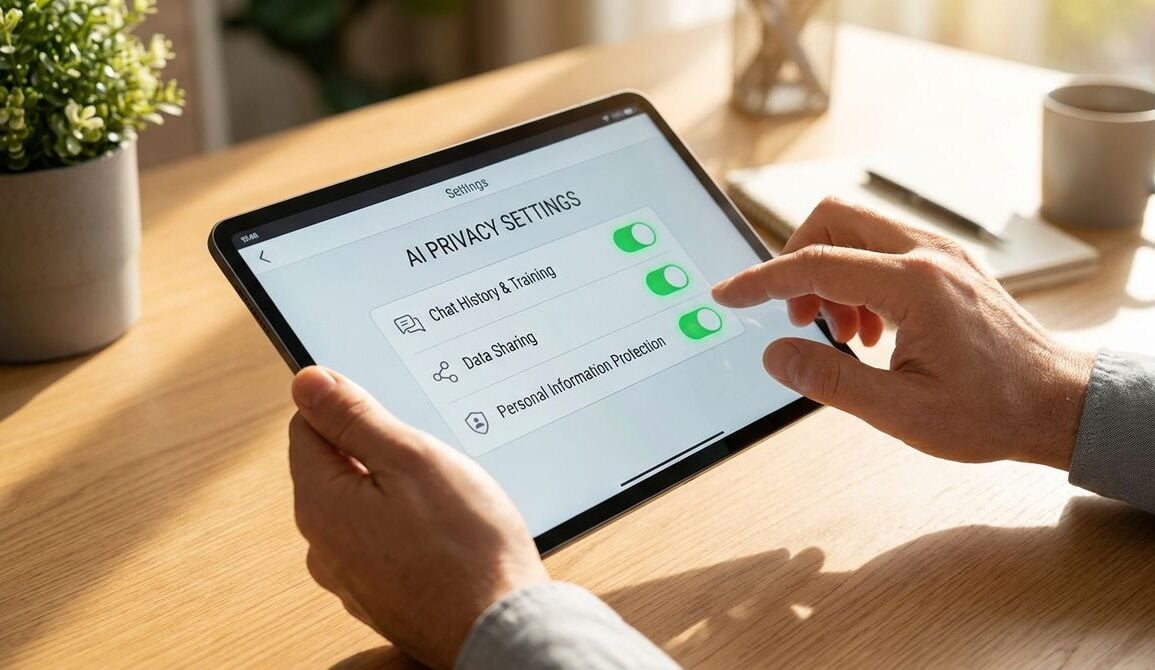
Many robot vacuums connect to a phone app that stores floor maps and schedules. Read how the app handles account sign in, data sharing and who can view the home layout. Turn on any available privacy options and set a strong, unique password for the account. Check whether the device works without a cloud connection for basic cleaning. Look at whether the app asks for permission to access your location, and decide whether that permission is needed. Understanding these settings helps you enjoy the convenience without sharing more than you intend.
Plan Dock Placement and Power Outlets
The charging dock needs open space on both sides and a nearby power outlet that is not blocked by furniture. Place the dock against a wall in a spot the robot can reach from several rooms. Keep cables and extension leads away from the path, because a loose cord can snag the wheels. Some docks need a level floor to align the contacts, so test the position before you commit to a spot. Avoid placing the dock in direct sunlight, since heat can affect the battery over time. Good placement reduces failed docking and keeps the machine ready for each run.
Consider Parts and Support Over Time
Brushes, side sweepers, filters and batteries wear out at different rates, and some models have far more replacement parts available than others. Check how long the manufacturer has sold parts for a model, and whether third party accessories fit reliably. Read how the warranty handles batteries, since they are the most expensive later repair. A device with easy access to parts usually lasts longer in a busy home. Write down the replacement schedule so the cost stays predictable. Keep the model number and the purchase record in one folder for any future warranty claim.
Choose With Your Floor Plan in Hand
Bring your room notes, surface list and dock position to the shop or the product page before you buy. If the machine handles your floors, layout and maintenance needs, it is likely a good match for your home. If the checks reveal frequent clutter, a tight doorway or a dark rug, the purchase may need a different model or small changes to the home. Either answer is useful when it comes from your own measurements. Trust the notes you made more than a glossy demonstration video.