

Sports equipment and garden tools tend to appear in a household in bursts. A child suddenly needs cleats for a new season, a partner wants a better bicycle or a weekend of planting reveals that the old spade has finally given up. Without a shared plan, these purchases can arrive together and strain a monthly budget. Agreeing on a simple process before the next equipment request keeps the household calm and gives everyone a fair say in how money is spent.
This article is general information about personal budgeting for a household. It is not financial advice and does not recommend particular brands, stores or purchases. Every family has different income, obligations and priorities, so the ideas here are meant to start a conversation rather than settle the matter. The goal is to build a steady approach that works for the people sharing the home.
Separate Needs From Wants
Begin by sorting recent and upcoming purchases into needs and wants. A replacement for a broken garden hose or a child’s safety helmet clearly falls on the needs side, while a premium upgrade or a collection of extras may belong with the wants. Be honest about the difference, because a need can quickly feel like a want when a shiny new item appears in the shop window.
Ask each person to name the equipment they consider essential for the coming year. Compare the lists and look for overlap. That shared view creates a clear starting point for planning, and it prevents one person’s priority from quietly crowding out another’s. Readers may also want to visit Microphone Authority.
Set a Monthly Allowance for Each Activity
Decide on a monthly amount for sports and for gardening, then divide it between the people who use the equipment. A child in a club may need a smaller allowance than an adult who runs or cycles regularly. Setting a fixed amount turns each request into a choice within a limit, rather than an open-ended debate every time someone needs something new.
You can also visit TechRegar for more reading. A sinking fund is a small amount set aside each month for future purchases. Use one of those layouts to track the money, and check the balance during your regular household review so that it does not drift unnoticed.
Plan for Larger Purchases
Some items, such as a new bicycle, a lawn mower or a set of training shoes, cost far more than a monthly allowance can cover. Agree on how the household will handle those larger purchases. You might save toward them over several months, share the cost among family members or wait until a seasonal sale. Writing the plan down makes it easier to say yes or not yet without resentment.
For a related read on this site, see Lessons From People Who Rebuilt Their Monthly Budget. A shared mower for a street or a local equipment library may solve the need at lower cost. Discuss those options openly, because they can spread the value of an item across more people.
Track Spending Together
Keep one simple shared list of what has been bought, what it cost and who used it. Update the list when a purchase is made so that the household can see the full picture. Tracking helps spot patterns, such as frequent small purchases that add up unnoticed, and it gives everyone a factual basis for future decisions.
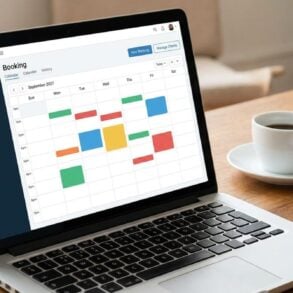
A tracking layout that stays easy to update during a busy season keeps the list alive. Keep the format light enough that people will actually add entries, because a list that is never updated quickly loses its value.
Review the Plan Each Season
Review the list during a short check-in each season. Celebrate any savings, discuss unexpected costs and adjust allowances if the household’s needs have changed. Children grow out of equipment, and gardens change with the years, so the plan should change with them. Keep the review focused on the next steps rather than on past choices.
Notice when a shared item saves the household money, such as a tool that serves several people. Recognizing those wins reinforces the habit of planning together and makes the next conversation easier.
Plan a seasonal check of larger equipment, such as seeing whether a tool still works well or needs repairs. Early maintenance often saves money, and it keeps shared equipment safe for everyone who uses it. Add those checks to the household calendar so that they happen without being forgotten.
Agree on what to do when a purchase falls outside the agreed plan, such as an unexpected repair. A short discussion before spending can prevent a sudden argument about money. Keep the rule simple so that it is easy to apply in a hurry.
A household budget for sports gear and garden tools works best when it is planned, shared and reviewed. Separating needs from wants, setting monthly allowances, preparing for larger purchases and tracking spending together turn scattered requests into a manageable routine. With that structure in place, the family can enjoy its activities without constant money worries.