


Starting a mobile event styling business allows creative entrepreneurs to transform everyday residential spaces and temporary venues into memorable environments. Whether staging a family celebration, setting up an intimate backyard gathering, or designing an immersive themed dinner, the visual work is only half the venture. The true foundation of a thriving on-site styling company lies in managing complex logistics, transport routines, and on-site realities.
Entrepreneurs who transition from studio-based design to on-site execution often discover that field conditions test their operational discipline. Working in private homes, open parks, or rented halls introduces tight installation windows, varying access points, and unpredictable utility connections. Building a sustainable service model requires balancing aesthetic vision with practical field workflows so that every setup unfolds smoothly and wraps up without costly delays.
Structuring Collaborative Design Sessions with Clients
Before loading a single crate of linens or lighting rigs, successful business owners align their creative concepts with client expectations. In mobile styling, miscommunication about theme, scale, or layout can lead to frantic on-site adjustments that erode profit margins. Conducting structured pre-event consultations ensures that clients clearly understand how their physical space will be altered and what decorative elements will be used.
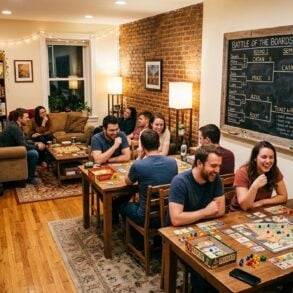
Many firms find success by turning the planning phase into an engaging, collaborative experience where clients explore spatial possibilities alongside the designer. When planning residential transformations or celebratory themes, reviewing industry concepts from resources like decoratingparty.com can give entrepreneurs fresh inspiration for organizing interactive design gatherings and making private spaces feel welcoming, functional, and fully livable. These early design conversations establish firm boundaries regarding room usage, traffic flow, and personal property safety.
Once the concept is approved, the project should move into site mapping. Gathering photographs of doorways, measuring ceiling clearances, and noting outlet placements prevent unexpected surprises during load-in. Documenting these structural details protects the company from choosing oversized backdrops or lighting trusses that cannot safely fit through standard residential corridors.
Securing Reliable Power for Remote and Outdoor Installations
One of the most persistent operational hurdles for on-site stylists is accessing adequate electrical power. Open lawns, private gardens, and remote pavilions frequently lack outdoor outlets, while older residential buildings may feature electrical circuits that trip under the load of heavy lighting arrays, electric balloon inflators, steamers, and audio components. Relying on long extension cords strung across high-traffic pathways creates serious tripping hazards and can cause dangerous voltage drops.
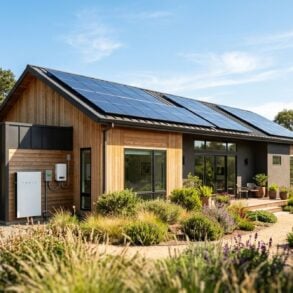
To maintain complete independence from fragile venue wiring, professional decorators treat portable energy sources as core operational assets. To keep installations running smoothly without overloading residential breakers, many operators research equipment guides on bestdualfuelgenerator.com before investing in dependable, quiet portable generators that can run on propane or gasoline during long setup days. Having secondary fuel versatility ensures that your crew can keep working continuously even when standard fuel supplies or venue power fail unexpectedly.
Managing cords and connections cleanly is equally important for brand professionalism. Cable ramps, heavy-duty floor tape, and weatherproof connection boxes keep cables hidden from guest view while preserving safety. Labeling individual power strips by wattage demand prevents crew members from accidentally clustering high-draw tools on a single circuit.
Managing Physical Fatigue and On-Site Scheduling
Event decorating is intensely physical work that requires hours of continuous lifting, ladder climbing, and meticulous hand assembly under strict deadlines. When team members become exhausted, mistakes multiply, delicate decor pieces break, and customer service patience frays. Business owners must design their daily run of show to account for the physical stamina of their crew rather than scheduling unrealistic back-to-back tasks.
Pacing the workflow begins with separating heavy structural setup from detailed decorative finishing. Setting up heavy frames, tables, and power lines early in the morning leaves the final hours for lighter tasks such as floral placement, balloon styling, and table settings. Referencing our earlier discussion on property service visits built around energy limits helps service providers recognize when to rotate crew responsibilities and schedule rest breaks during demanding load-in routines. A structured pace keeps enthusiasm high and sharply reduces workplace fatigue.
Providing crew members with proper ergonomic tools also protects long-term operational health. Lightweight aluminum step stools, supportive work footwear, and modular transport dollies eliminate unnecessary physical strain. An owner who invests in ergonomic safety safeguards their workforce and protects the business against sudden staffing shortages.
Establishing a Streamlined Mobile Tool and Packing Checklist
Lost tools and missing hardware represent hidden drains on an event decorator’s time and profitability. Arriving at a remote site only to discover that the appropriate zip ties, fasteners, or cutting shears were left in the warehouse forces emergency trips to local hardware stores. Standardizing how equipment is organized and inventoried eliminates this friction.
Clear, labeled plastic bins arranged by function allow anyone on the team to locate supplies instantly. Each vehicle should carry a dedicated utility pack that remains separate from decorative inventory.
- Heavy-duty gaffer tape and removable mounting strips for surface-safe anchoring.
- Self-locking zip ties and monofilament wire for fast structural fastening.
- Commercial fabric steamers to eliminate packaging creases from drapes and linens.
- Rechargeable task headlamps and flashlights for dim setup environments.
- Precision utility knives, shears, and safety wire cutters.
Performing a brief checklist audit before the vehicle leaves the staging garage guarantees that essential hardware accompanies the decorative inventory. Implementing a strict return-to-bin policy during pack-down ensures that tools are accounted for before the team leaves the venue.
Executing Clean Breakdown Routines and Post-Event Follow-Up
The final phase of any styling project begins after the event concludes and guests depart. The breakdown, or strike phase, is often conducted late at night when energy is low, making it vulnerable to sloppy packing and property damage. A well-organized strike plan treats breakdown with the same rigor and respect as the initial installation.
Teams should systematically dismantle items in reverse order of installation. Fragile decorative objects and rented accent pieces must be wrapped and boxed first to prevent damage while heavier framing is disassembled. Inspecting the venue alongside the property owner or host before departure confirms that walls, floors, and grounds remain in pristine condition, which protects the business against unfair damage claims.
Once the equipment is returned to headquarters, the administrative loop should close promptly. Sending a brief follow-up note thanking the client and requesting constructive feedback reinforces client rapport. Taking the time to document which decorative elements performed well and which logistical steps caused delays transforms every completed contract into valuable insight for future bookings.
Building a respected on-site event styling business requires far more than an eye for color palettes and creative themes. By establishing clear client design sessions, investing in dependable mobile power, respecting physical operational limits, and maintaining disciplined packing routines, entrepreneurs can transform one-off decorating gigs into a resilient, scalable enterprise. Consistent attention to these practical logistical details ensures that every event is as smooth behind the scenes as it is stunning to the guests.