


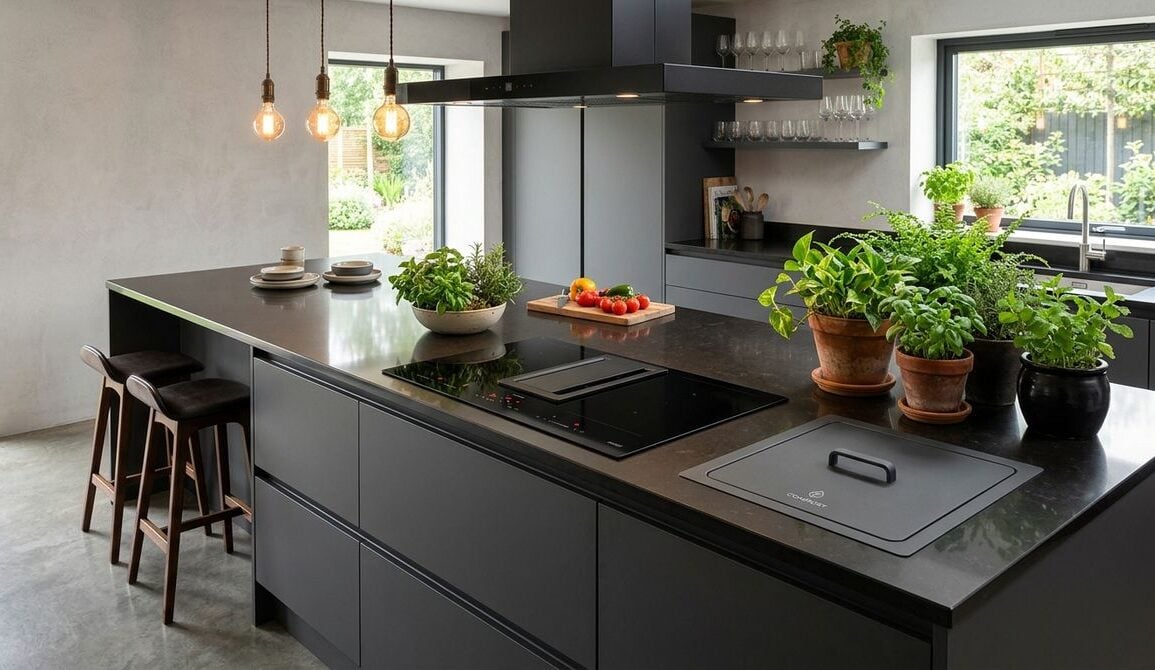
A workplace health program can unintentionally generate a lot of disposable waste. Cups for water stations, single-serve snacks, paper towels and plastic wrappers accumulate quickly across a team. Reducing that waste makes the program more sustainable and often more pleasant for staff who use the space every day. The habits below focus on simple swaps, shared supplies and clear routines that keep wellness efforts useful without filling the bin each week. Nothing here is medical guidance, only practical advice about how a workplace can run its shared spaces with less waste.
Map Where Waste Comes From
Begin with a walk around the office during a typical week. Note the cups, wrappers, cartons, gloves and wipes that accumulate near water stations, break areas and shared kitchens. Count the items roughly and sort them by type. The map shows where the largest streams of waste begin, so changes can focus on the biggest sources rather than scattered details. Readers may also want to visit Designwithdeb.com. A short audit every season is enough to show whether the changes are holding.
Share the map with staff and invite suggestions. The people who use the space each day often know exactly which supplies are opened and discarded without thought, and their ideas tend to be practical because they come from daily experience. Ask two or three people from different teams to walk the route with you, since each group notices different sources of waste.
Replace Disposable Cups With Refillable Bottles
Water stations generate a surprising amount of waste when paper or plastic cups are used once and tossed. Offer refillable bottles or ask staff to bring their own, and place filtered water dispensers where refills are easy to reach. You can also visit betterhomeguide.com for more reading. Clear signage helps everyone remember the habit without needing constant prompts from management.
If disposable cups are still needed for visitors, choose the simplest option that suits your recycling setup. Keep a small stock rather than a large case, so less sits unused as preferences change over time. Store the stock in a dry cupboard near the sink so it stays clean until the moment it is needed.
Buy Bulk Snacks and Reduce Packaging
Single-serve snacks feel convenient, but they multiply packaging. Choose larger containers that staff can portion into reusable dishes during a quiet moment. Fruit bowls, nut jars and plain crackers in bulk reduce both wrappers and leftover waste. For a related read on this site, see Keeping Office Pet Supplies Simple and Waste Free. Keep portion sizes modest so nothing sits in the bowl until it spoils. Pre-portioned cups or small dishes can make that easier at a busy time of the day.
Rotate the selection every few weeks so staff do not lose interest. Ask for feedback and adjust quantities based on what gets eaten, which keeps the program practical rather than wasteful and makes the spending feel purposeful. Keep a simple tally of which snacks disappear first, so the next order reflects real preferences.
Use Reusable Supplies in Shared Spaces
Shared kitchens and tea stations often hold stock that is opened and discarded too soon. Use washable towels for spills, refillable soap dispensers and cloth napkins for short breaks. Reusable supplies take more effort upfront but usually last much longer, and they feel more welcoming than disposable alternatives that end up in the bin after a single use.
Assign a simple cleaning rota for shared textiles so nothing piles up. A clear schedule keeps the system hygienic and prevents the reusable items from becoming a neglected pile that people avoid using. Label each towel or cloth by its use so the right item goes to the right job.
Recycle and Compost Where It Helps
Sorting matters once waste has been reduced. Place clearly marked bins for recyclable materials near the break room and make sure the labels match what your local collection accepts. Compost bins can serve fruit peels and coffee grounds if your area offers collection. Remove food packaging before disposal so contamination does not spoil the load and send recyclables to landfill by mistake.
Check the rules for medical or hazardous items separately, since those usually follow different procedures and should never mix with general recycling. A short laminated guide beside the bins helps every person sort correctly without asking. Review the bins once a month and share a short note with staff on what improved and what still needs attention.
Lighter Programs, Cleaner Bins
Cutting single-use waste in a workplace health program is mostly about small, repeated choices. Map the sources, favor refillable and bulk options, reuse shared supplies and sort what remains carefully. The program stays welcoming and useful, the bin fills more slowly, and staff see that their wellbeing efforts reflect the care the business hopes to build across the whole team. Small, steady changes are easier to keep than a single campaign that quickly loses energy.