


Modern organizations increasingly recognize that employee vitality directly influences workplace engagement and executive retention. Many founders and health professionals enter the corporate wellness space eager to transform organizational cultures and improve workplace vitality. However, transforming personal wellness expertise into a viable commercial consultancy demands clear operational discipline and strategic planning.
Launching a wellness venture begins with passion, but sustaining it requires building a repeatable business framework. Enterprise clients seek reliable partners who understand corporate realities alongside lifestyle practices. By establishing solid operational foundations early, wellness entrepreneurs can transition from running sporadic workshops to leading an enduring professional service firm.
Defining Your Core Market and Value Proposition
Corporate wellness encompasses a broad spectrum of services, ranging from ergonomic assessments to stress mitigation and physical conditioning. To build a reputable advisory, founders must narrow their initial focus rather than attempting to serve every corporate demographic at once. Specializing allows you to tailor your messaging and develop standardized assessment tools that address specific workplace environments.
Consider the distinct challenges faced by desk-bound corporate teams compared to shift-based operations. A finance firm might struggle with sustained mental fatigue and sedentary habits, while a logistics company may prioritize injury prevention and recovery. When you align your offerings with the daily working conditions of your target clientele, your advisory becomes an essential operational resource rather than a discretionary perk.
Effective market positioning also involves understanding organizational decision-makers. Human resources directors, benefits managers, and executive leaders evaluate wellness initiatives through different priorities. Designing clear executive summaries that demonstrate how your programs foster healthier routines will help prospective clients grasp the practical value of your service.
Designing Structured and Scalable Service Offerings
A common pitfall for emerging wellness consultancies is over-customizing every single engagement. While flexibility is appreciated, creating entirely new materials for each client drains operational capacity and limits long-term growth. Developing a modular service catalog enables your business to scale while maintaining high delivery standards across different client accounts.
A balanced advisory catalog typically incorporates several complementary delivery formats:
- Diagnostic wellness audits that evaluate current workplace habits and health resources.
- Interactive executive workshops focused on physical resilience, nutrition, and daily movement.
- Guided team challenges that encourage healthy habits across remote and in-office staff.
- Ongoing progress reviews that help leadership teams evaluate program engagement over time.
Standardizing these service modules allows you to onboard new facilitators smoothly as your client roster expands. It also gives clients clear expectations regarding timelines, deliverables, and participation commitments, making your advisory far easier to evaluate and purchase.
Creating standardized packages does not mean your service lacks personal attention. Instead, it provides a consistent framework within which client-specific adjustments can be made without reinventing core curriculum materials. This balance builds client confidence and protects your team from operational burnout.
Establishing Repeatable Operations and Delivery Systems
Early client acquisition often generates substantial excitement, but long-term enterprise viability depends on disciplined execution. Many business owners discover that securing initial contracts is relatively straightforward compared to maintaining steady client satisfaction quarter after quarter. Developing consistent operational routines ensures that workshop logistics, communication updates, and reporting mechanisms run without friction.
When building internal systems, founders must prioritize process refinement over rapid, unchecked expansion. Detailed documentation on how to manage client onboarding, collect feedback, and prepare presentation materials prevents operational bottlenecks. For entrepreneurs seeking practical perspectives on navigating the transition from early launch excitement to steady operational maturity, reading through articlesandsuccess.com provides useful guidance on turning enterprise potential into sustainable daily execution.
Operational consistency also frees up valuable time for business development and team mentorship. By automating scheduling, templating client communications, and maintaining a centralized library of presentation materials, your core team spends less energy on administrative tasks and more time delivering meaningful client support.
Staying Current with Wellness Research and Industry Trends
Corporate wellness programs lose credibility quickly if their content feels outdated or unsupported by sound principles. Business leaders expect recommendations grounded in dependable research, particularly when addressing topics like sleep hygiene, cardiovascular fitness, and workplace ergonomics. Consulting teams must establish reliable habits for reviewing emerging health literature and translating scientific findings into accessible workplace habits.
Encouraging clients to adopt healthier physical habits requires offering guidance that is both practical and engaging. Educational resources should address realistic daily adjustments, such as micro-breaks during lengthy screen sessions or balanced meal preparation for busy workdays. To keep client materials fresh and aligned with modern health insights, referencing the educational resources on usamarketarea.com can help consultancies discover current health information and wellness ideas suitable for diverse audiences.
Translating broader wellness concepts into concise corporate guides builds credibility with employees at all levels. When workers recognize that your recommendations are sensible and easy to integrate into a demanding workday, program participation naturally increases across the entire organization.
Securing Predictable Revenue Through Retainer Partnerships
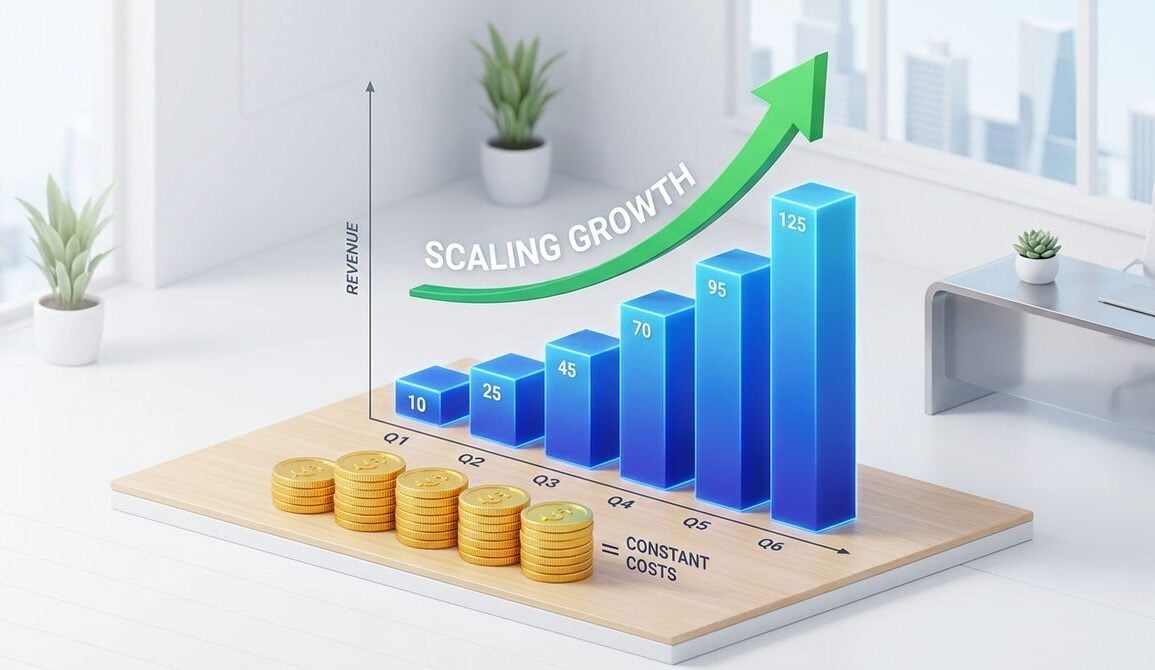
Relying on isolated speaking gigs or occasional wellness seminars creates unpredictable cash flow and makes hiring full-time staff difficult. To build enterprise value, consultancies must transition from transactional projects to long-term advisory relationships. Ongoing partnerships allow you to design progressive health initiatives that create lasting cultural shifts within client organizations.
Presenting your services through comprehensive agreements provides the budgetary stability needed to invest in better delivery tools and professional talent. For established consultancies looking to formalize their client agreements, adopting proven approaches to structuring predictable retainer models helps ensure consistent cash flow while delivering sustained value to corporate partners.
Longer agreements also give your team the time required to collect meaningful participation data. Sharing periodic summaries with client executives reinforces the practical utility of your ongoing presence and sets the stage for smooth contract renewals.
Building a successful corporate wellness advisory demands balancing health expertise with commercial discipline. By focusing on a clear market niche, developing modular service packages, and prioritizing steady execution, you can establish a respected consulting brand that supports healthier workplaces. With deliberate operational systems and predictable client partnerships, your firm can achieve durable business growth while fostering genuine well-being across the corporate community.