

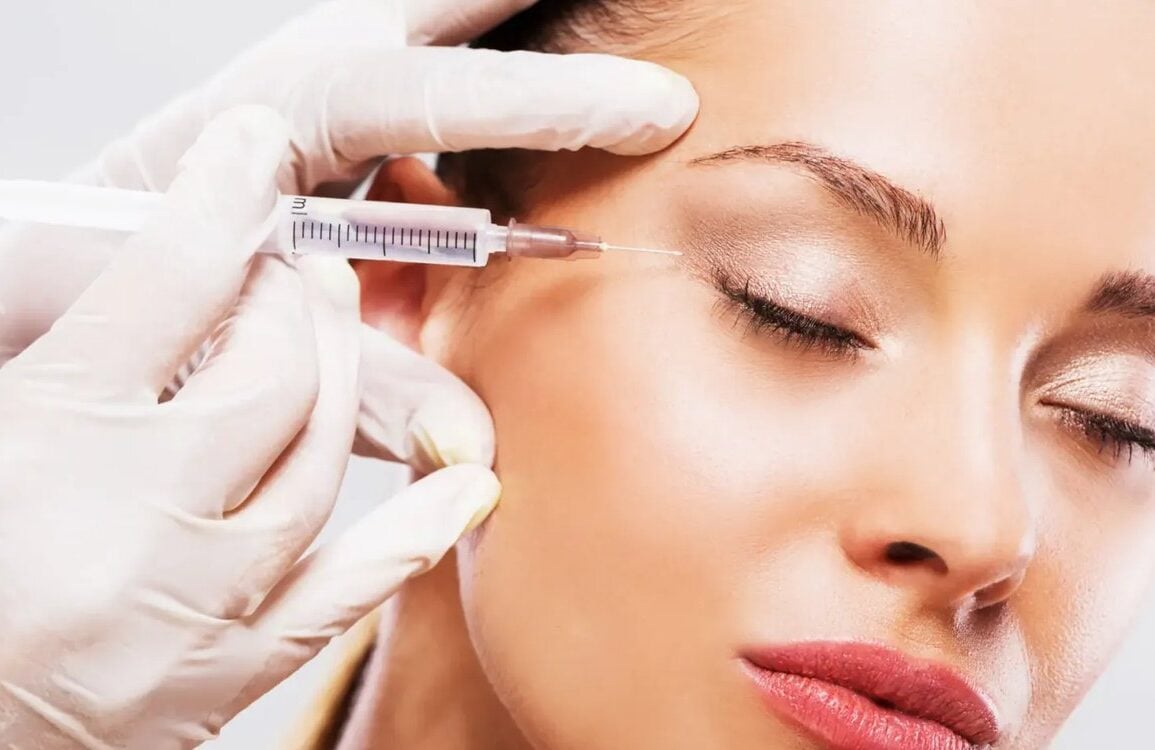
The name liquid facelift borrows the vocabulary of surgery for a treatment that involves none. It describes a set of injectables placed in several areas of the face during one visit, and for the right face it can produce a fresher look with little time away from work.
The name also invites a comparison the two treatments cannot sustain past a certain point. Dr. Leo Lapuerta, a triple board-certified plastic surgeon in the Houston area, offers both at his practice, and its published guidance is specific about where each one stops.
Two treatments, side by side
The practice’s own descriptions line up as follows.
- Method. A liquid facelift combines injectable products such as BOTOX and Juvederm to soften lines and restore fullness. A surgical facelift lifts deeper tissue, tightens the support layer beneath the skin and removes excess skin.
- Common targets. Injectables go under the lower eyelid, into the cheeks and temples, and along the creases beside the mouth, including marionette lines. Surgery targets jowls, sagging along the jawline, loose skin in the lower cheeks and excess skin under the chin.
- Time in the chair. The practice puts a liquid facelift at about an hour, depending on the amount of work. For a facelift, it lists an average procedure time of 4 to 6 hours.
- Recovery. After injectables, mild swelling or bruising subsides within 3 to 7 days for most patients, and the practice advises avoiding strenuous exercise for about 24 to 48 hours. After a facelift, the practice lists a recovery time of 2 to 3 weeks, with activity limits and social downtime.
- Duration. The practice says liquid facelift effects last up to two years in general, depending on the products used and any touch-ups. For surgery, it gives no fixed number and describes the improvement as longer-lasting than many non-surgical approaches.
The case for injectables
The practice describes the liquid facelift as a fit for people who want a refreshed look without the time and recovery of surgery, and for younger patients whose lines are fewer or less pronounced. The treatment can be done in phases, which lets a patient adjust as they go.
Fillers work by adding. They plump areas that have lost fullness, and placement decides the effect: lips, cheek contour, the eye area or the jawline. For lost fullness and lines that are still mild, that approach matches the problem.
Injectables carry their own trade-offs. The practice lists mild bruising, redness, slight swelling and itching at injection sites as possible side effects.
The point where surgery becomes the honest answer
The practice’s facelift guidance draws the line in structural terms. Fillers, skin tightening and energy-based treatments can help selected patients with mild laxity or the first signs of change. They do not replace facelift surgery when there is significant excess skin, deeper tissue descent or more advanced signs of aging.
The practice calls that the turning point of many consultations. A syringe can restore fullness, but it cannot remove loose skin or move descended tissue back to where it started. Once the problem is structural, the practice says, the structure itself has to be addressed.
Dr. Lapuerta describes his work in terms of the anatomy each patient brings. “It allows me to work with what I have in a given patient presentation and utilize all aspects of that patient’s anatomy, with its benefits and limitations, along with my skills to create both the desired aesthetic and a functionally beneficial outcome for my patients.”
Signs you have reached that point
The practice’s candidate lists suggest a few markers that favor surgery over another round of filler:
- Jowling or sagging along the jawline that filler no longer disguises
- Excess skin under the chin or in the lower cheeks
- A face and neck that no longer look balanced
- A preference for a surgical solution over a temporary camouflage approach
Surgery has its own requirements. The practice looks for realistic expectations about scars and downtime, a medical history that supports elective surgery and readiness for activity restrictions. Every procedure, surgical or injectable, carries risks.
Using both
Some faces need both kinds of help. The practice combines facelift surgery with fat transfer when volume loss is part of the picture, since a lift repositions tissue without adding any.
Dr. Lapuerta’s practice is an Allergan Gold Member practice, and his facility is QuadA accredited with physician anesthesiologists for surgery. At consultation, the useful exercise is to point to each concern in the mirror and ask whether it comes from lost volume or from descended tissue, because the answer to that question sorts it into the syringe column or the surgery column.
This article is for general information only and is not medical advice. Results vary from patient to patient. Consult a board-certified plastic surgeon or your physician about your own situation. Written in partnership with Joseph Lambert, a publicist working with Leo Lapuerta, MD Plastic Surgery.