
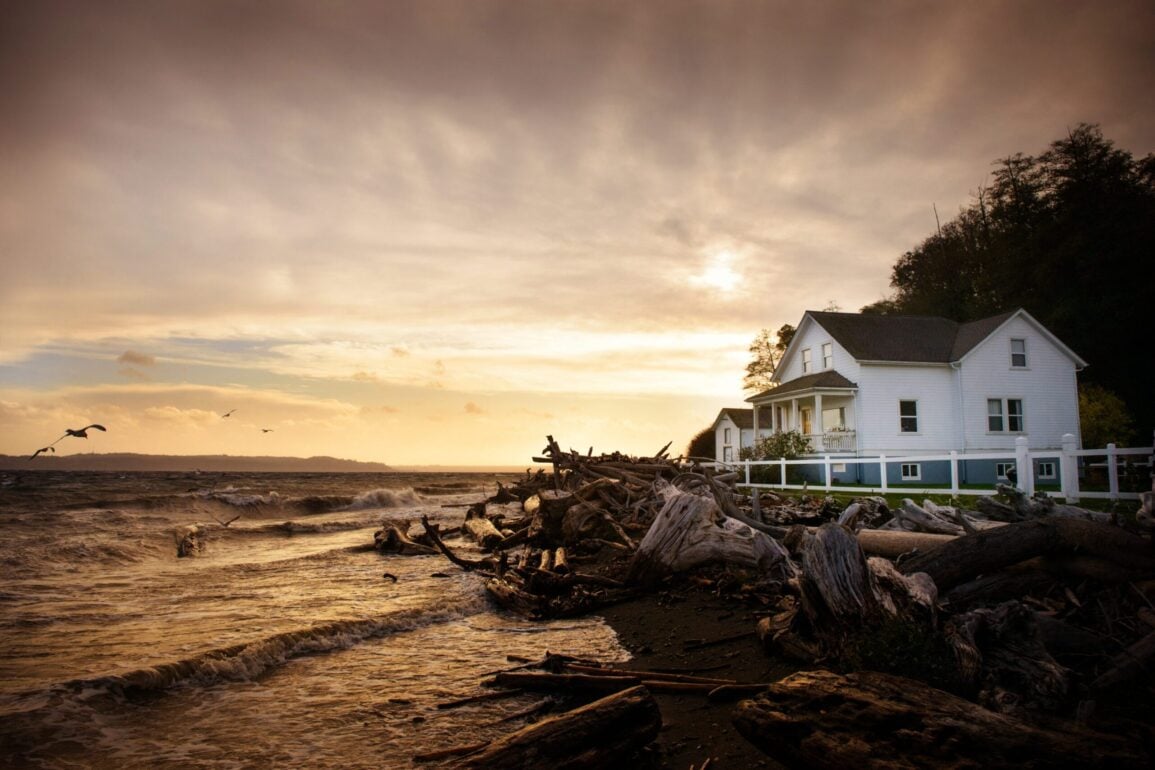
Many people dream of waking up, brewing a cup of coffee, and smelling the salty ocean breeze. Coastal living offers a relaxing lifestyle that is hard to beat, but when it comes time to actually buy a property, a common debate arises. People often wonder if they’ll regret not being right on the water, while others worry about the hidden costs of waterfront property. Do you want a home located directly on the sand, or is living just a short walk or drive away from the beach a better fit? Both options sound fantastic, but they come with different price tags, maintenance requirements, and daily realities.
Navigating this choice isn’t always easy. Partnering with a knowledgeable Bahamas real estate agent can provide you with local insights, helping you understand the nuances of the local market. Before you start touring homes, it helps to break down the pros and cons of both beachfront properties and near-beach homes so you can figure out exactly what kind of coastal lifestyle you want.
The Allure of True Beachfront Living
There is a reason why beachfront properties are the crown jewels of real estate. For many, it’s the ultimate symbol of a life well-lived. You simply can’t replicate the experience of stepping off your back porch and feeling the warm sand between your toes. When you live right on the water, the ocean becomes your backyard. You’ll enjoy unobstructed, breathtaking views every single day. If you love hosting friends and family, a beachfront home provides the ultimate entertaining space. Plus, if you plan to rent out the property when you aren’t using it, beachfront homes command premium rental rates. Vacationers are almost always willing to pay extra for direct beach access.
However, having the ocean at your doorstep comes with a unique set of challenges. First and foremost, the purchase price is always going to be higher. You’re paying a premium for the location. Then, you’ve got to consider the ongoing upkeep. Saltwater, sea spray, and coastal winds take a toll on a house. You’ll need to wash your windows frequently, maintain your exterior paint, and keep an eye on your HVAC system to prevent corrosion. Insurance costs are also noticeably higher when your home is right on the shoreline. You’ll often need specialized flood and wind policies, which can add up quickly over the years. Finally, if the beach is public, you might find tourists setting up their towels just a few yards from your living room window, which means you’ll have to sacrifice a bit of privacy during peak vacation seasons.
The Near-Beach Compromise
Living near the beach—perhaps a few blocks inland or a short bike ride away—often provides a more balanced approach to coastal life. For many buyers, this is the sweet spot. You still get to enjoy the local beach town culture, the amazing seafood restaurants, and the laid-back atmosphere without paying the premium oceanfront price. Because you aren’t paying for the direct view, your money goes much further. You can usually afford a larger house, a bigger yard, or high-end interior finishes that might’ve been out of budget if you bought right on the water.
Being set back from the shoreline also provides a helpful buffer against the elements. You won’t have to deal with the constant salt spray covering your windows or the harsh winds battering your siding. Maintenance is generally much easier and less expensive. You’ll also enjoy a lot more privacy. You won’t have beachgoers walking past your property all day, and you won’t have to deal with the immediate noise of public beach access points. It’s much easier to retreat to your quiet backyard after a busy day in the sun.
The main drawback, of course, is the convenience factor. When you live near the beach instead of on it, going to the ocean becomes an activity rather than a seamless part of your day. You’ll have to pack a bag, load up the chairs, and either walk, bike, or drive to the sand. You also miss out on those direct, sweeping ocean views that make beachfront living so special.
Questions to Ask Yourself Before Buying
To make the best decision, you need to be honest about your habits, budget, and lifestyle. Here are a few key questions to help guide your choice:
How often will you actually go to the sand? If you plan to surf, swim, or walk the shoreline every single morning, the convenience of a beachfront home is unmatched. If you prefer to admire the ocean from afar and only go down to the water a few times a month, a near-beach home makes more sense.
What is your tolerance for maintenance? Coastal upkeep isn’t a joke. If you don’t mind budgeting for extra repairs and regular exterior cleaning, beachfront is fine. If you prefer a lower-maintenance property, look a few blocks inland.
How important is privacy? If you love being in the center of the action and don’t mind tourists walking past your deck, a beachfront home is a fun, vibrant place to be. If you prefer quiet evenings in a secluded backyard, you’ll want to prioritize a near-beach property tucked away in a residential neighborhood.
Are you buying an investment property? If you’re relying on rental income to cover the mortgage, beachfront homes usually generate a higher return on investment and book up much faster than homes located further inland.
Making the Final Call
Ultimately, there isn’t a wrong choice here. Whether you’re listening to the waves crash from your waterfront balcony or enjoying a quiet evening in your coastal neighborhood, living near the ocean is a wonderful experience. It all comes down to figuring out what matters most to you. By weighing your budget against your desire for convenience and privacy, you can confidently choose the coastal home that perfectly matches your lifestyle. Take your time, tour a few different neighborhoods, and get ready to enjoy the beach life on your own terms.