


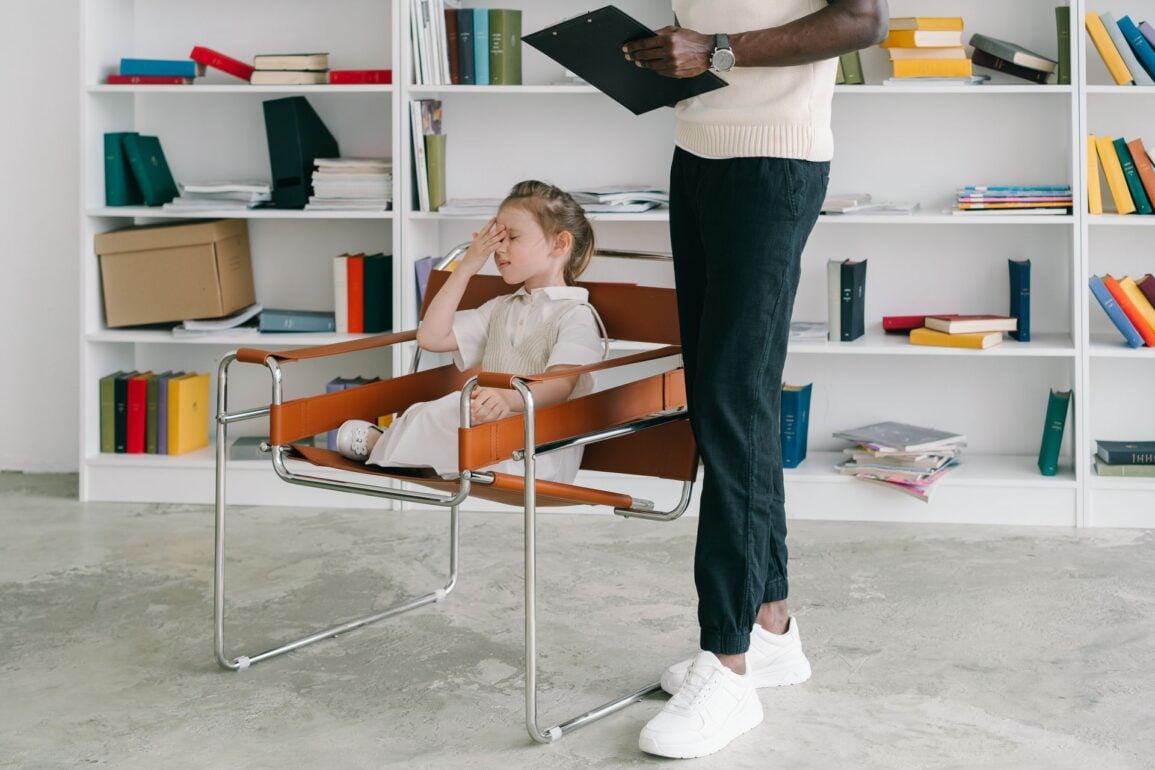
Raising a child comes with a new challenge every day, and if you have more than one child, each one presents its own unique challenges for you to deal with. The difficulties you faced with your first child may not present with your second one. Amongst all the problems, you need to keep an eye out for your children’s mental health as they grow up. While each child is different, several symptoms are common across most children.
Self-Isolating
Self-isolation is one of the most obvious signs that something is wrong. While it is common for teens to be drawn closer to their friends than their parents, it’s not common for them to be drawn away from everyone around them. If you notice your child keeping to themselves in social settings or hiding in their room without a sign of a social life, it’s a sign that your child is having difficulties connecting with others. This is something you can talk with your child about. A trained therapist can also help get to the root of the problem.
Significant Life Change Occurs
Childhood is full of changes, and each child reacts to those changes differently than the next. If you have multiple children, they may not each react the same way when moving to a new state, for example. It’s important to monitor your children’s behavior during any big life changes such as a death in the family, moving to a new area, or a divorce. Keep an open line of communication with your child during these times, and if you think they need it, having them talk to a therapist might be a good idea to help with the transition (even if it’s for a short period of time).
Loss of Interest in Usual Favorites
As they grow up, children will love and hate a variety of different toys and activities. It’s normal for their interests to change. It’s not normal for them to have no interest in anything. If you notice that your child is no longer reaching for their favorite toys or participating in their favorite sport, watch to see if they are gravitating toward something new. Changes are good. If they’re not gravitating toward anything anymore, it’s a sign that there might be something wrong mentally.
Changes in Mood
Sudden mood changes aren’t uncommon when you’re raising a child. Phrases like “terrible twos” and “moody teenager” didn’t come from nowhere. However, sudden mood swings can also be a sign that your child is struggling mentally. This could range from constant irritability to consistent sadness. If there isn’t any obvious source for these mood swings, it might be time for your child to talk to someone about what’s going on.
Changes in Sleep and Eating Patterns
As your child gets older, it may not occur to you to monitor how much they’re eating and sleeping because at some point you just trust that they’ll do that on their own. However, changes in these actions can be early warning signs that something is wrong. Pay attention to the general routine of your child. Are they sleeping as much as they should, or are they not getting the right amount of sleep? This could either be that they’re only sleeping a few hours a night or sleeping for a vast majority of the day. The same goes for eating as well. Alone, these things may just be the sign of a healthy, growing child, but if they’re accompanied by other warning signs, there may be a deeper problem there.